

How Accurate Are Intelligent Video Analytics?
Intelligent Video Analytics (IVA) has become one of the most trusted technologies in modern surveillance, traffic management, retail intelligence, and industrial safety. But one question always stands tall: How accurate are these systems in real‑world conditions?
The short answer — they’re highly accurate, but not perfect. Their performance depends heavily on environment, model quality, and deployment strategy.
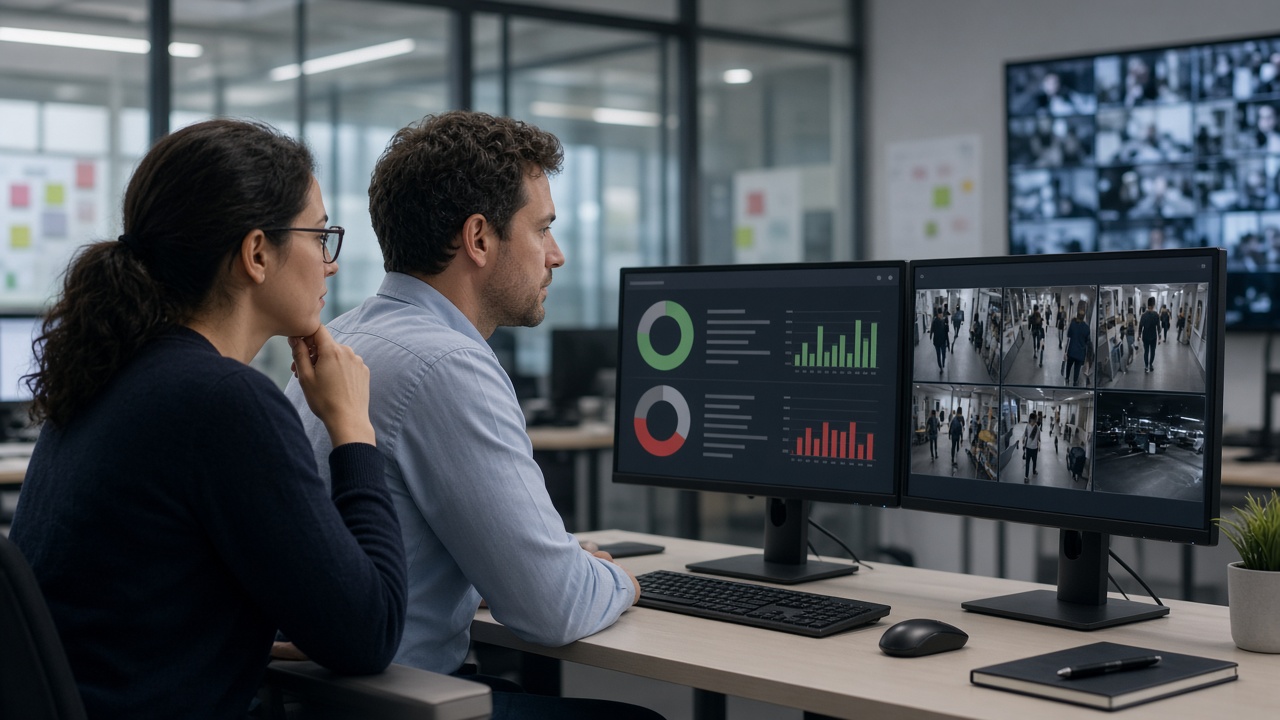
Why Accuracy Questions Matter in Real Deployments
Traditional monitoring was designed to record and review later. That model cannot keep pace with multi-site camera growth, operator fatigue and the need for immediate response.
IVA accuracy closes the biggest operational gaps:
With AI-powered analytics, cameras become intelligent sensors that feed insights into dashboards, alerts and automated workflows.
How Accuracy Is Measured in Practice
From capture to action, IVA accuracy follows a clear processing chain:
Example: a detected event can automatically notify operators, update a dashboard, or trigger an integrated enterprise workflow.
What Drives Real-World Accuracy
Why Accuracy Investment Keeps Rising
Demand for IVA accuracy continues to rise as enterprises, cities and industrial operators digitize monitoring and expect real-time outcomes from existing camera networks.
AI video surveillance growth outlook by 2032
Benefits of High-Accuracy IVA
Accuracy in Industry Contexts
Conclusion
IVA accuracy is reshaping how organizations use cameras in 2026—turning footage into real-time intelligence for safer, smarter operations.