

From What Happened to What May Happen
Traditional analytics explains historical performance.
Predictive analytics uses available historical and current data to identify patterns and estimate likely future outcomes.
MLT can build predictive solutions around suitable datasets and business problems.
Traditional vs Predictive Analytics
- Explains historical performance
- Answers “what happened?”
- Supports reaction after the fact
- Identifies patterns in historical and current data
- Estimates “what may happen?”
- Supports earlier, planned action
Typical Workflow

Example Use Cases
Examples could include:
Demand Forecasting
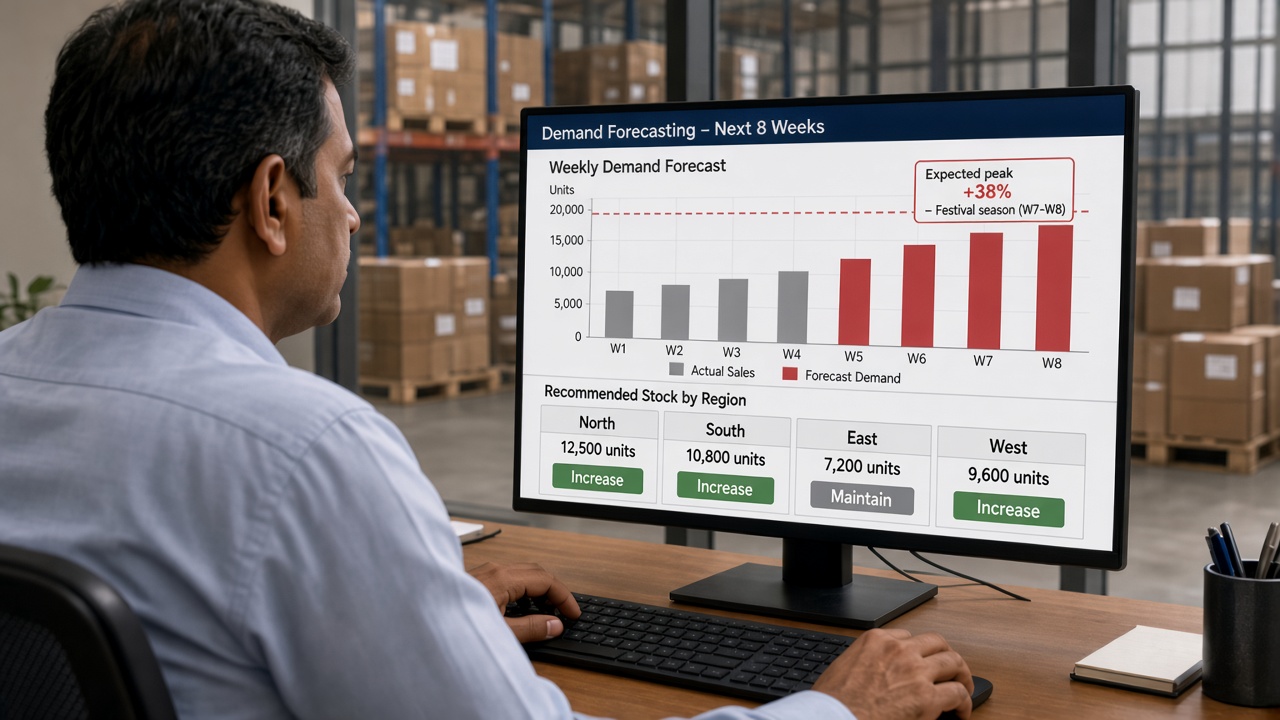
Sales and order history, combined with seasonal patterns, can help estimate upcoming demand and plan stock by region before a peak arrives.
Anomaly Detection
Models that learn what “normal” looks like can flag unusual readings or behaviour, such as an unexpected spike in power consumption, so teams can investigate early.

Operational Forecasting & Resource Planning
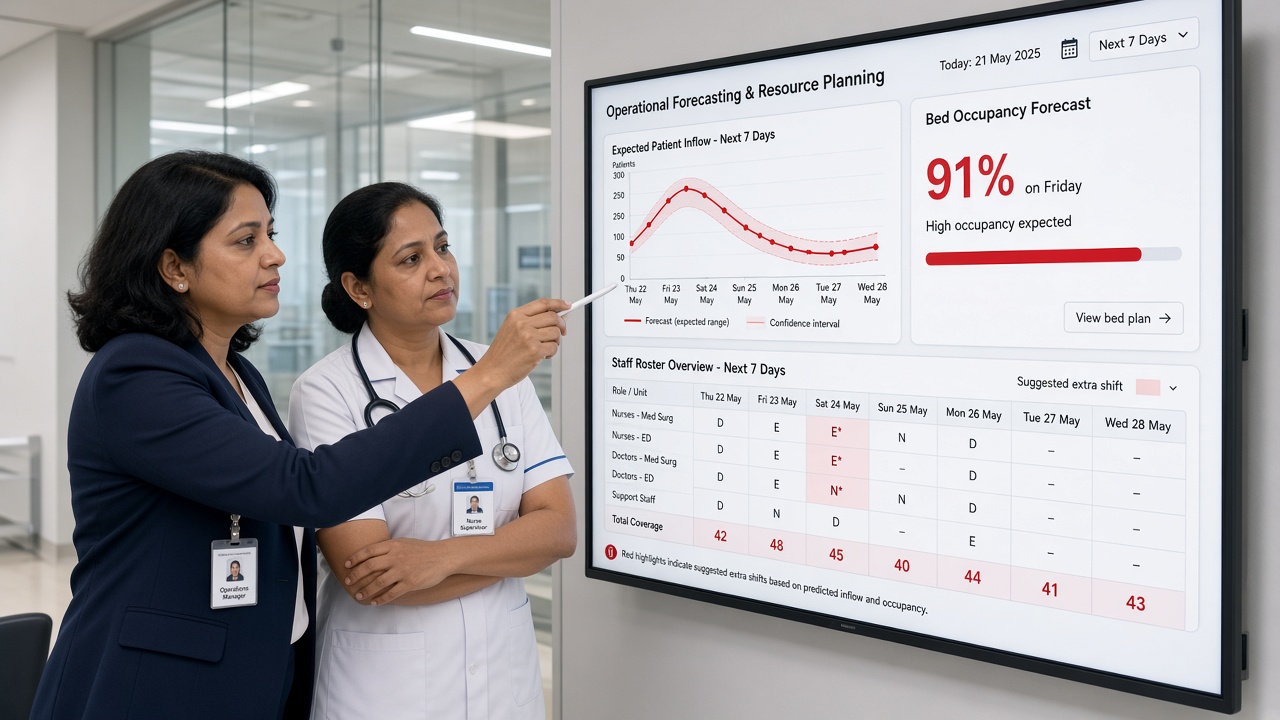
Forecasts of incoming volume or workload can help organizations plan staff, capacity and resources before pressure builds.
Customer Behaviour Patterns & Risk Identification
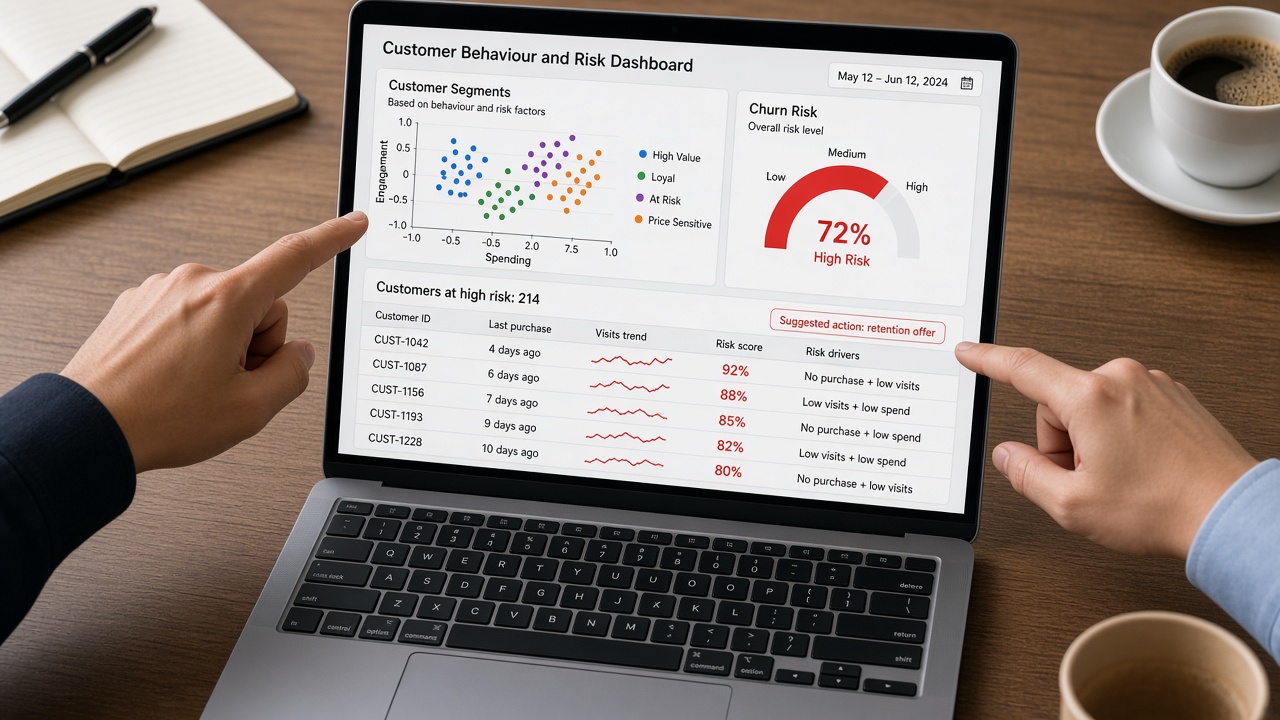
Patterns in purchases, visits and interactions can help identify customer segments and early risk signals, so teams can respond before a customer is lost.
Predictions Depend on the Data
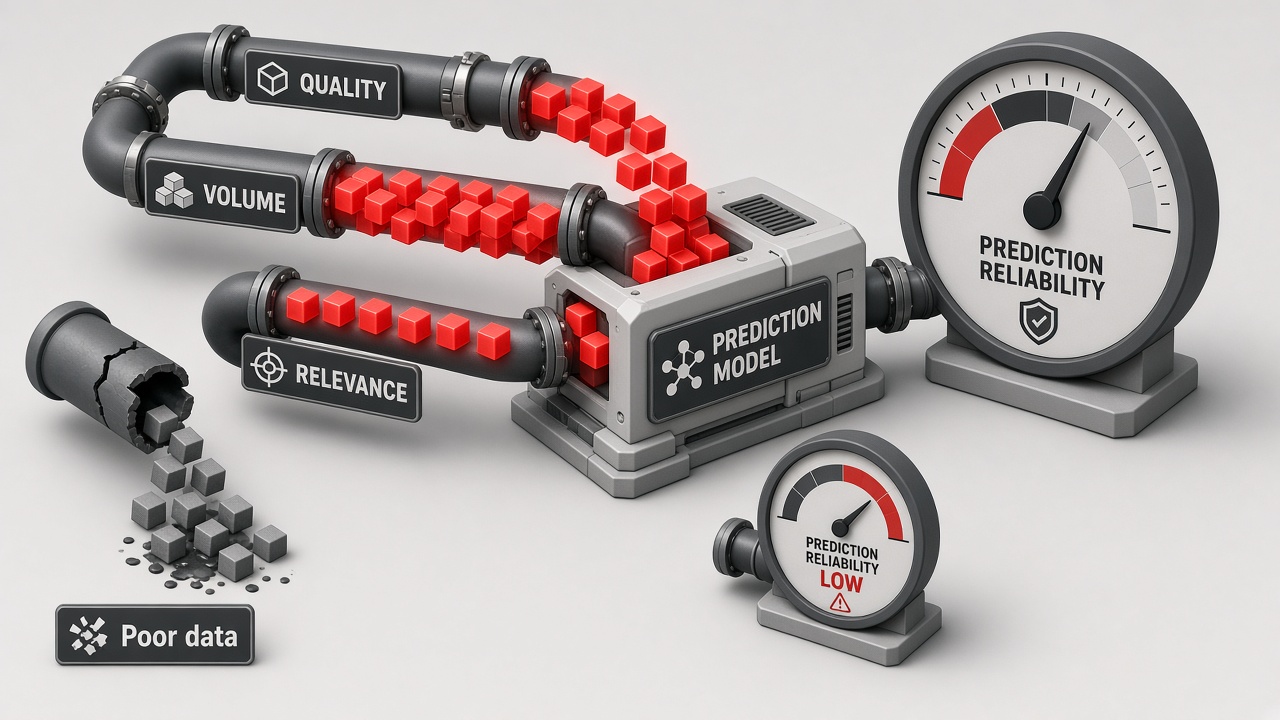
The actual prediction capability depends on the quality, volume and relevance of the available data. That is why MLT assesses the data first, before committing to what a model can deliver.
Related AI, Data & Digital Intelligence Solutions
Explore All AI, Data & Digital Intelligence →
Act Earlier With Better Foresight
From demand forecasting and anomaly detection to customer patterns and resource planning, MLT builds predictive solutions around suitable datasets and real business problems, so predictions lead to action.
Tell us the outcome you want to anticipate and the data you have, and our team will help assess what a predictive solution can realistically deliver.