AI, analytics and digital intelligence solutions that help organizations understand patterns, automate decisions and improve the way they operate.
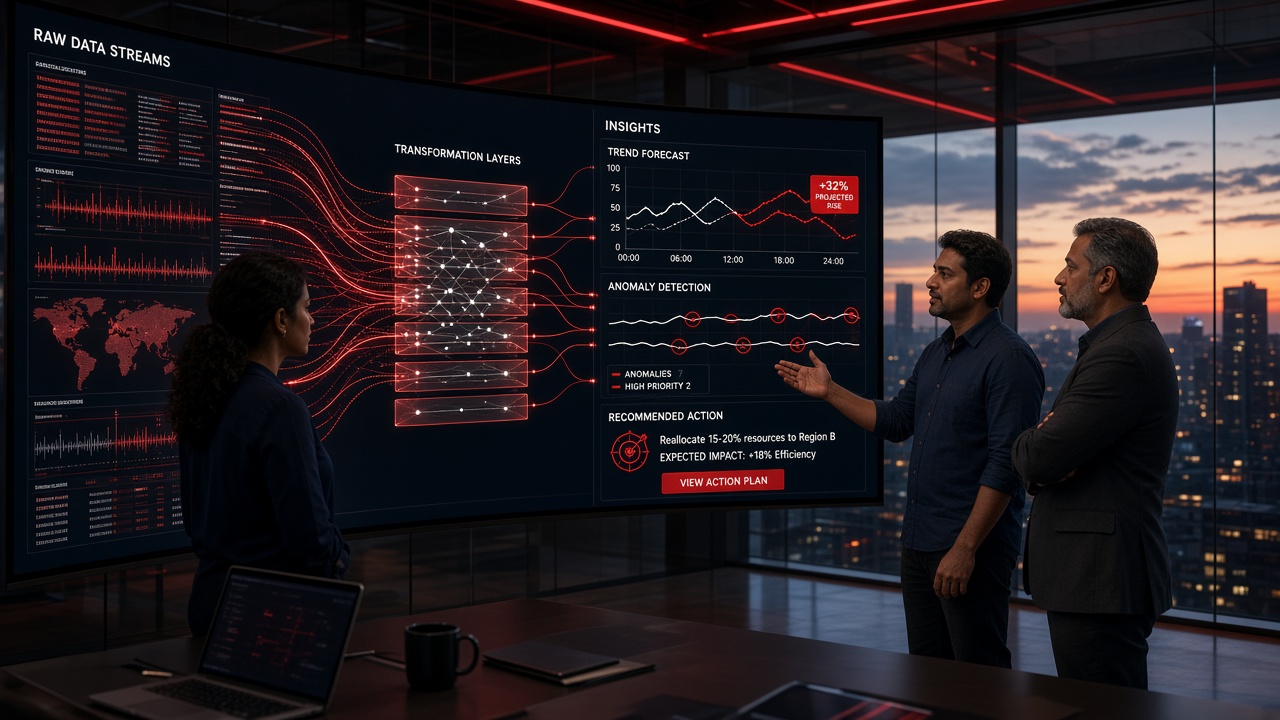
Mountain Lamp Technologies combines AI, machine learning, analytics, data engineering and automation to transform business and operational data into actionable intelligence.
MLT builds intelligence across video, physical infrastructure and enterprise data.
Multimodal Intelligence
Modern operations rarely depend on a single source of information. An organization may have:
Many sources, one intelligence layer
VideoCameras & AI events
Sensor DataIoT readings
Business DataApplications & records
Mobile DataField capture
Operational DataSystems & equipment
↓
Intelligence LayerCombines, analyses and correlates
↓
InsightA more complete picture
↓
ActionAlerts, workflows and decisions
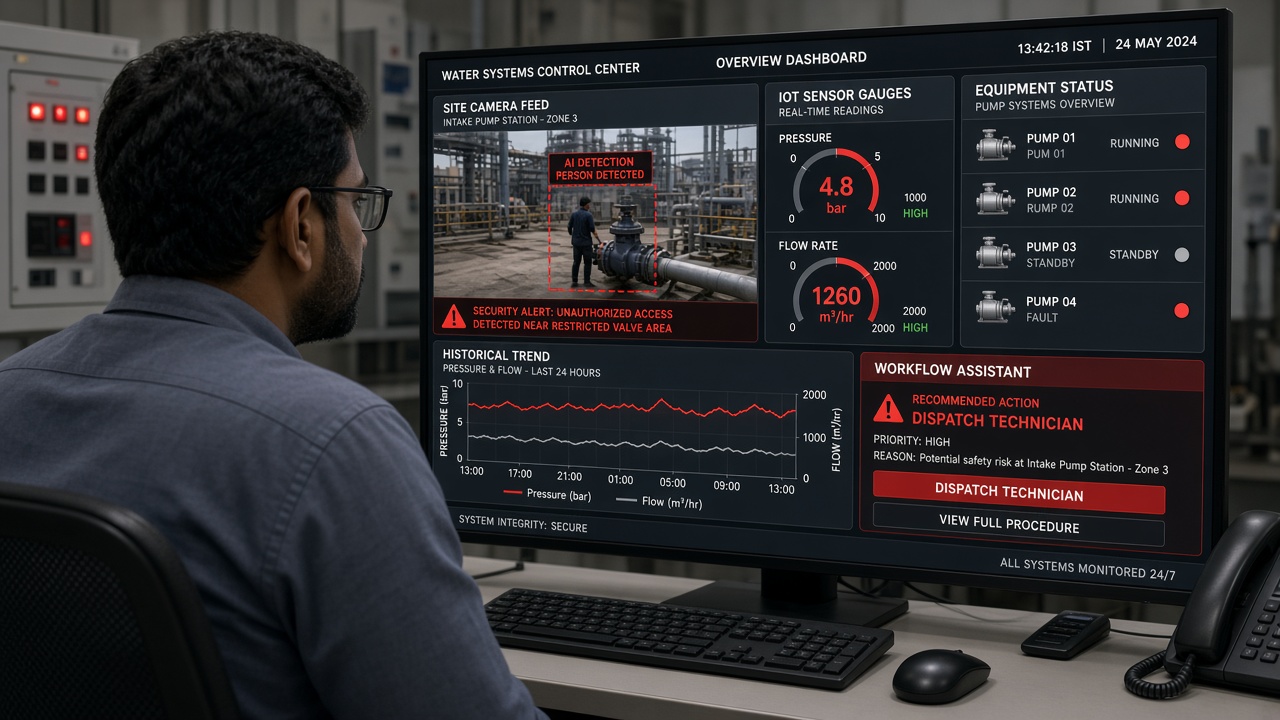
For example, an infrastructure operation could potentially combine video events, sensor readings, equipment status, historical data and operational workflows to create a more complete operational picture.
Multimodal intelligence: video, sensors, equipment status and history combined into one recommended action
Data Processing & IntegrationCleaning, joining and transforming
↓
Data StorageStructured for analysis
↓
AI / ML / AnalyticsModels and analysis
↓
Insights & PredictionsWhat the data shows
↓
Applications & DashboardsWhere people see it
↓
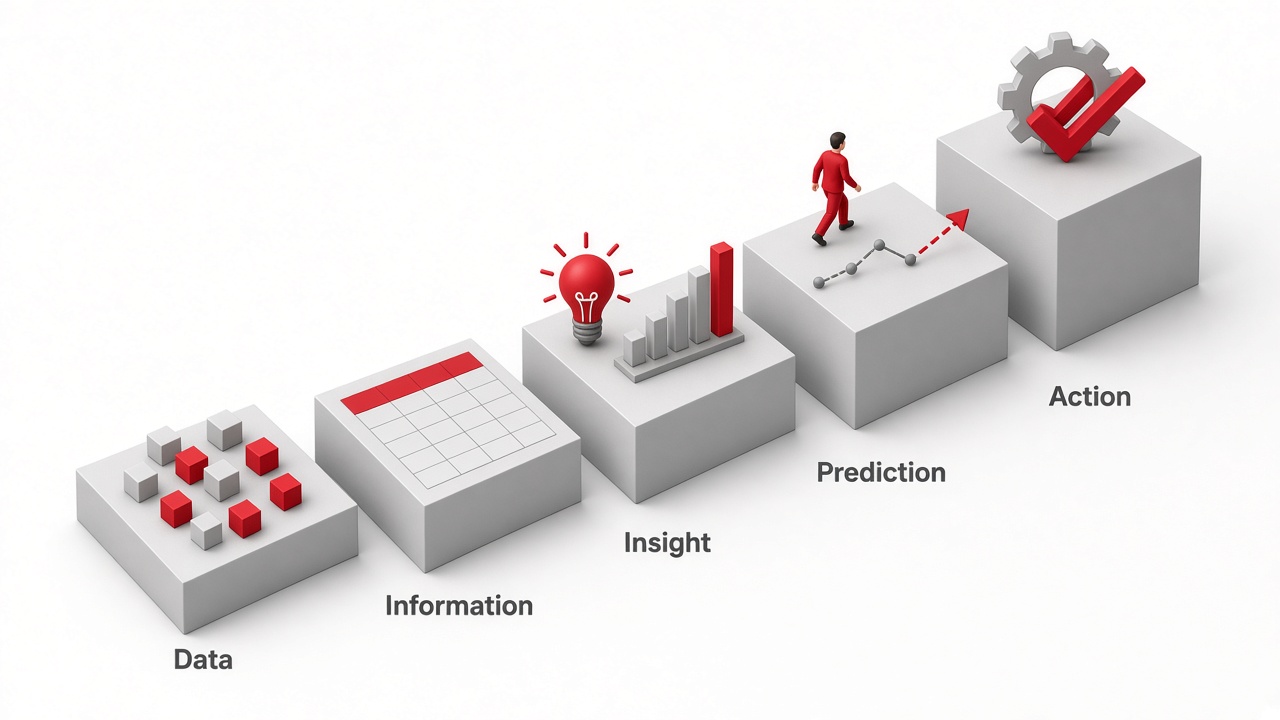
Workflow / AutomationWhat happens next
↓
ActionOperational outcome
The data pipeline behind the intelligence: ingest, process, store, model and serve
This architecture is technology-agnostic: it can be applied across projects without locking the solution into one specific technology stack.
AI-Enabled Applications
Rather than a standalone service, AI becomes part of the application:
Where AI fits into applications
Intelligent SearchFind relevant information across large datasets.
Intelligent SummariesConvert large amounts of information into concise operational summaries.
ClassificationAutomatically categorize documents, events or data.
Pattern DetectionIdentify recurring or unusual patterns.
PredictionEstimate future outcomes from suitable historical data.
RecommendationsProvide data-driven suggestions to users.
Decision SupportPresent relevant information to help users make decisions.
Workflow IntelligenceUse AI outputs to initiate or support defined workflows.
AI inside the application: a plain-language question, a summary, classified results and a follow-up workflow
Digital Process Automation
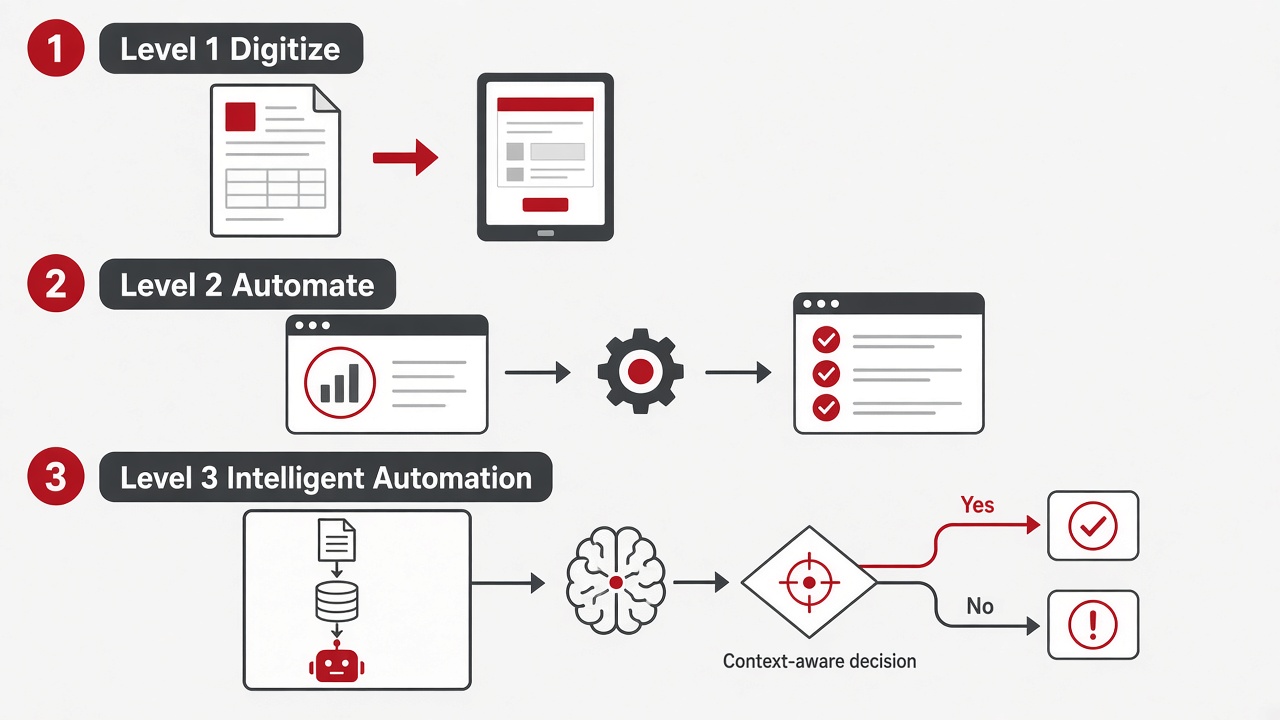
Automation can be introduced in three levels:
Level 1 · Digitize
Convert manual processes into digital workflows.
Level 2 · Automate
Use rules and system integrations to execute repetitive activities automatically.
Level 3 · Intelligent Automation
Use AI and analytics to make parts of the workflow context-aware.
Digitize, automate, then add intelligence where it adds value
Automation does not always require AI. AI is introduced where it provides meaningful value.
Data Quality Matters
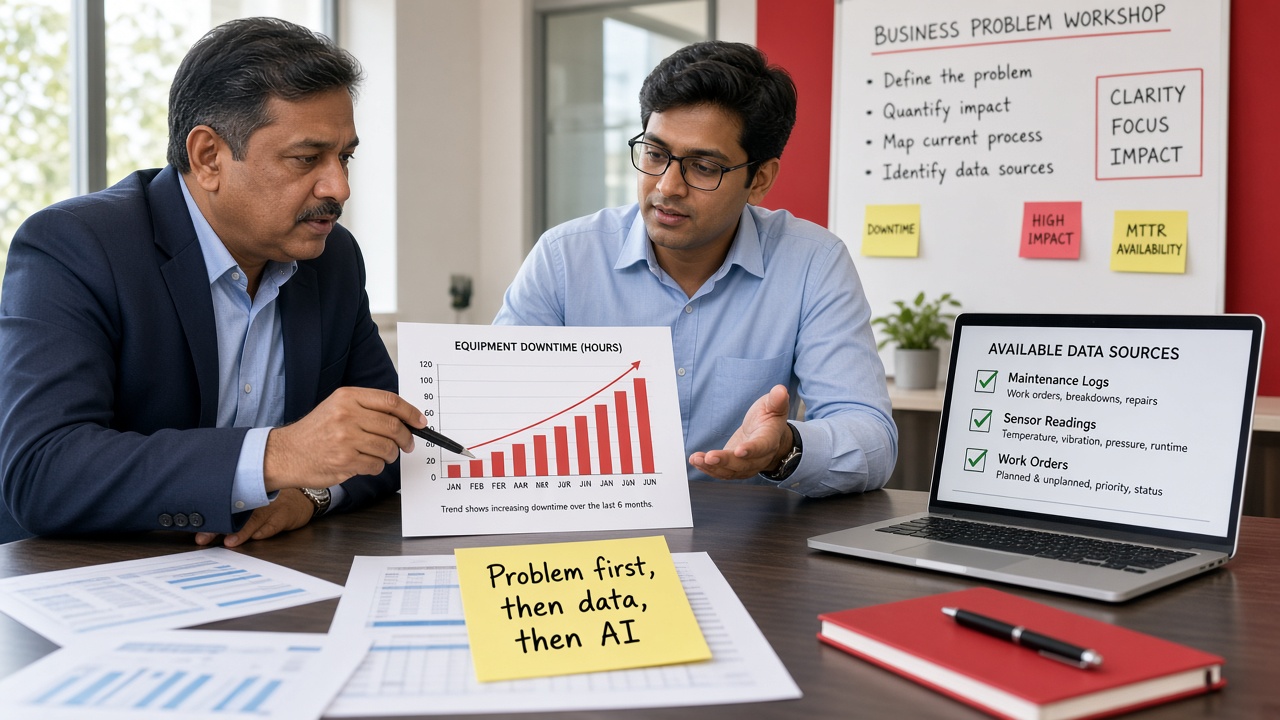
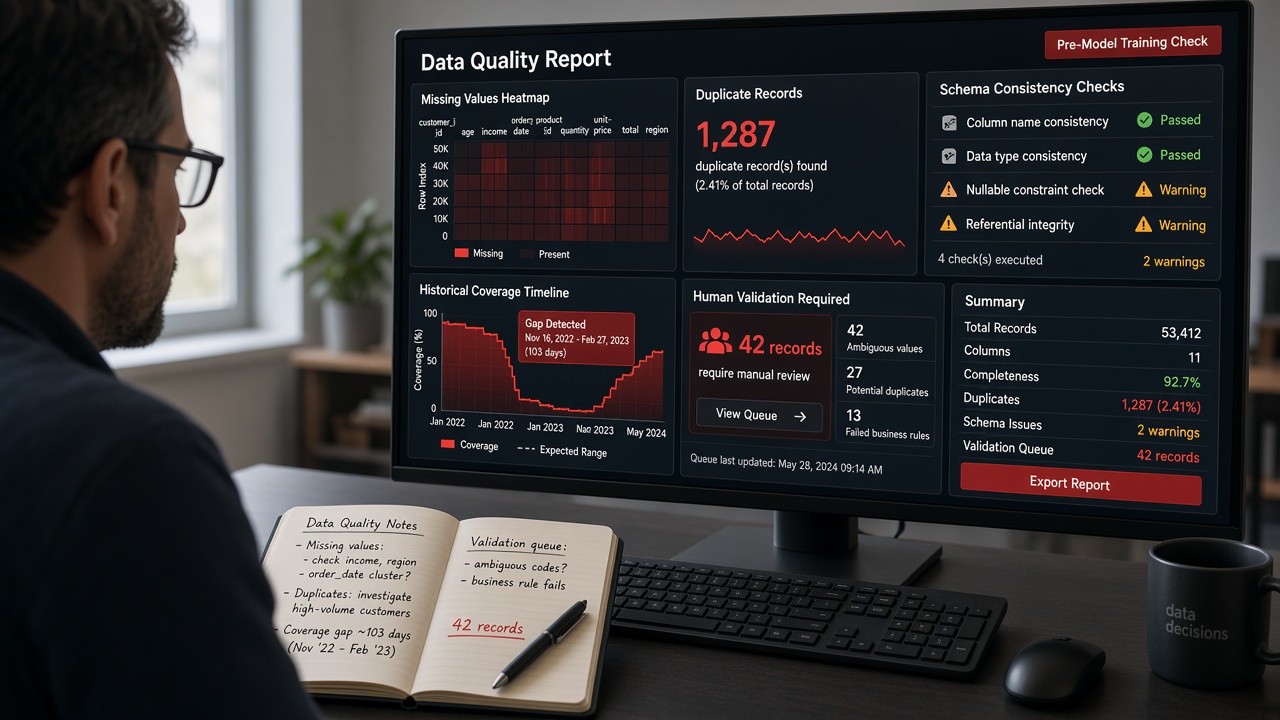
AI is only as useful as the data and process around it. MLT’s approach therefore considers:
What MLT evaluates
Data AvailabilityWhat exists
Data QualityAccurate & complete
Data StructureUsable format
Historical DataEnough history
Data ConsistencySame meaning everywhere
Integration RequirementsConnecting sources
Business RulesPolicies & logic
Model PerformanceMeasured results
Human ValidationPeople review outputs
Monitoring & ImprovementOngoing refinement
Before modelling: missing values, duplicates, coverage gaps and records flagged for human validation
MLT does not promise that AI will automatically solve every business problem; results depend on the data, the process and how the solution is validated.
Responsible AI
Appropriate AI deployment should consider:
Responsible AI considerations
Accuracy & ReliabilityWorks as intended
Data PrivacyPersonal data protected
SecuritySystems protected
ExplainabilityWhere appropriate
Human OversightPeople stay in control
Bias & FairnessEvaluated and addressed
Access ControlsAppropriate permissions
Model MonitoringPerformance tracked
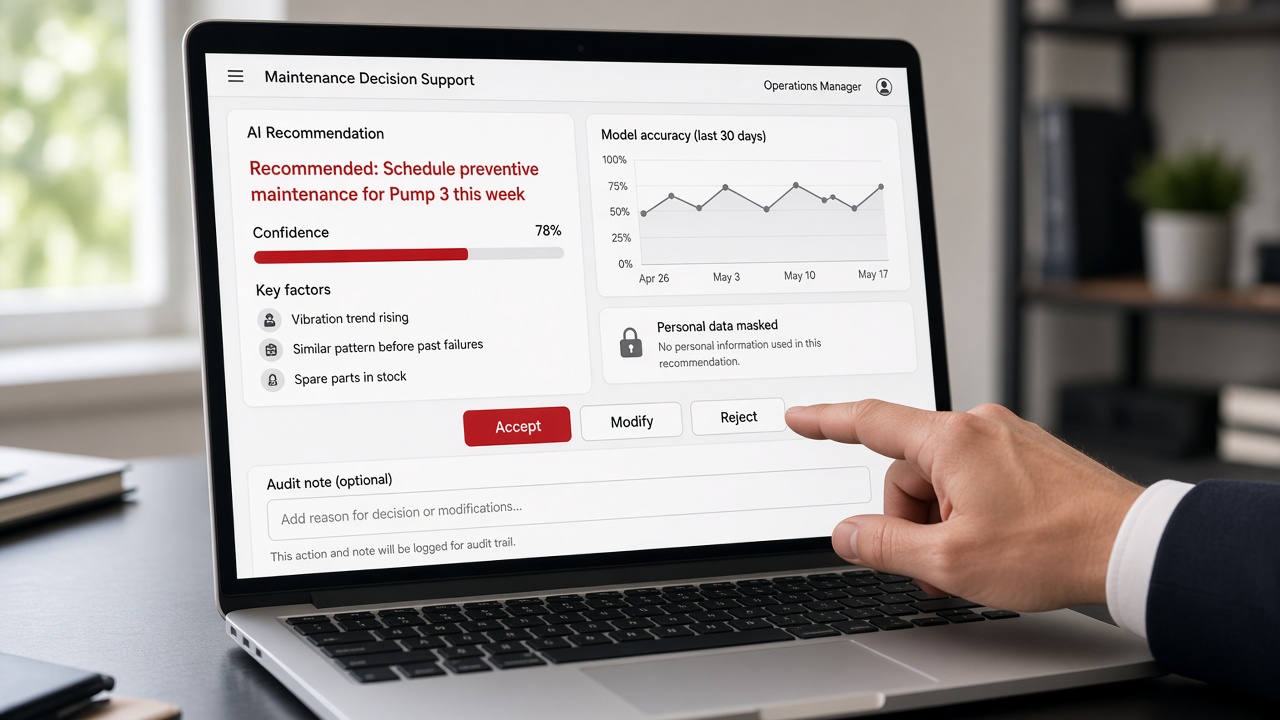
Decision support: the AI recommends and explains, and a person accepts, modifies or rejects with an audit note
For high-impact decisions, MLT positions AI as decision support rather than an unquestioned replacement for human judgment, unless the particular workflow and governance framework explicitly support greater automation.
Industries
AI, data and digital intelligence can be applied across:
Government & Smart CitiesOperational intelligence, infrastructure analytics and decision-support systems.
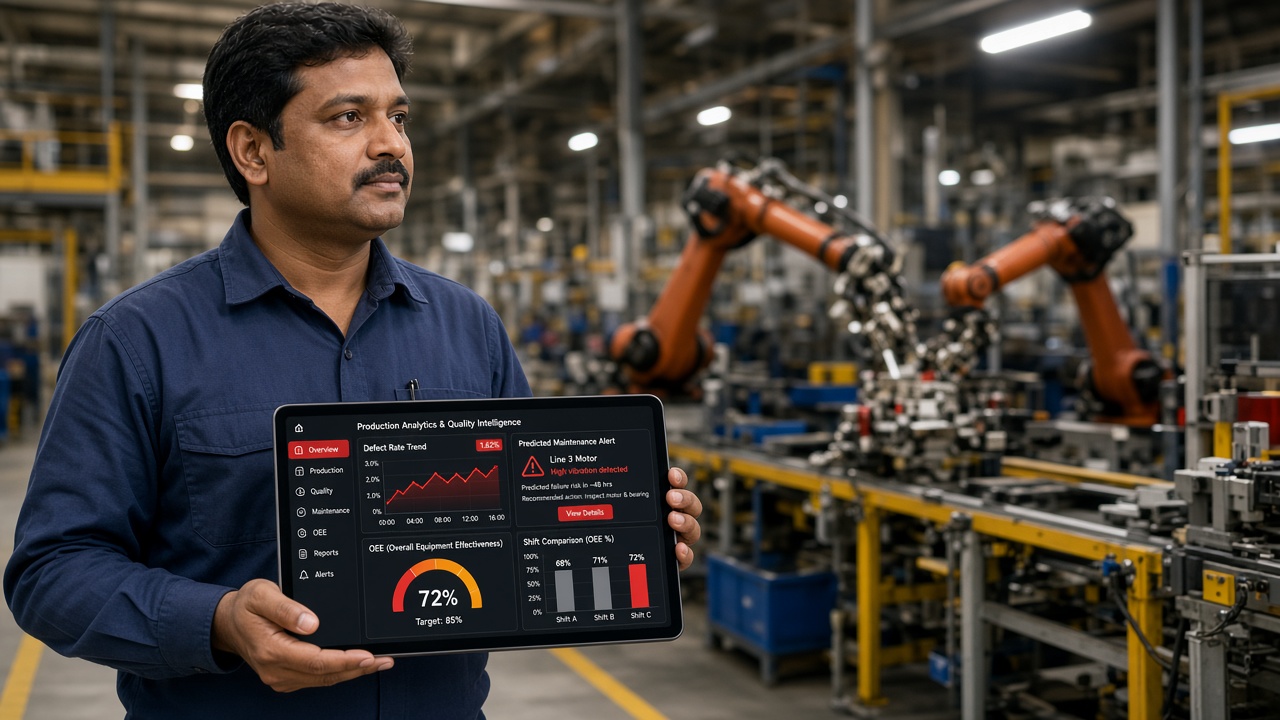
ManufacturingProduction analytics, quality intelligence and operational monitoring.
HealthcareConnected data, operational analytics and AI-assisted workflows.
RetailCustomer, footfall and operational analytics.
LogisticsOperational visibility, forecasting and process intelligence.
InfrastructureSensor, asset and operational intelligence.
EnterpriseBusiness analytics, workflow automation and decision support.
MLT develops AI and machine-learning solutions based on specific business and operational requirements, including computer vision, predictive analytics, pattern recognition and AI-enabled applications.
Does every solution need AI?
No. AI should be used where it provides meaningful value. Some problems are better addressed through conventional software, rules, analytics or automation.
Can MLT work with our existing data?
The approach depends on the data sources, quality, accessibility and integration requirements. An initial assessment can determine what is technically feasible.
Can AI be integrated into an existing application?
Yes. AI capabilities can be incorporated into existing applications through appropriate APIs, services or application architecture.
Can MLT build predictive analytics solutions?
Yes, where suitable historical and current data is available to support meaningful predictive modelling.
Can MLT automate existing business processes?
Yes. Processes can be digitized, integrated and automated using workflows, rules and, where appropriate, AI.
Can MLT combine multiple data sources?
Yes. Depending on the architecture, information from applications, sensors, video systems, databases and APIs can be brought together for analysis and operational intelligence.
Have Data. Need Intelligence?
Tell us what you want to understand, predict, automate or improve.
We’ll help identify where AI, analytics and digital intelligence can create meaningful value.
Have data. Need intelligence?
Share your data, your processes and the outcome you’re looking for, and our team will help identify the right AI, analytics and automation approach.
Tell us what you want to understand, predict, automate or improve, and we’ll help identify where AI, analytics and digital intelligence can create meaningful value.