
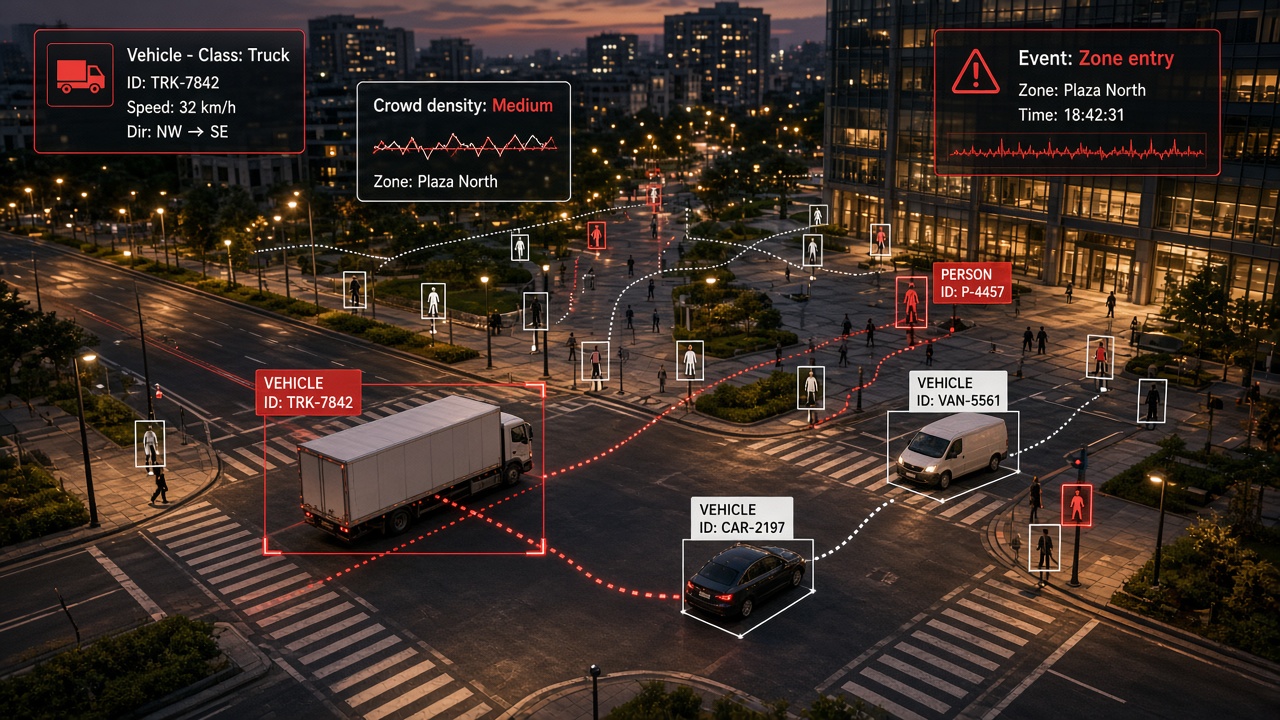
Turn Video Into Intelligence
Cameras generate enormous amounts of visual information. The challenge is turning that information into something useful.
Mountain Lamp Technologies combines AI, computer vision, video management and domain-specific intelligence to transform video streams into structured events, alerts, insights and operational workflows.
From workplace safety and security to traffic management and vehicle intelligence, MLT builds video solutions around real-world operational requirements.
From CCTV to Intelligent Video
Traditional CCTV answers one fundamental question: “What happened?”
AI-powered video intelligence adds another layer: What is happening, what should we pay attention to, and what information can help us respond?
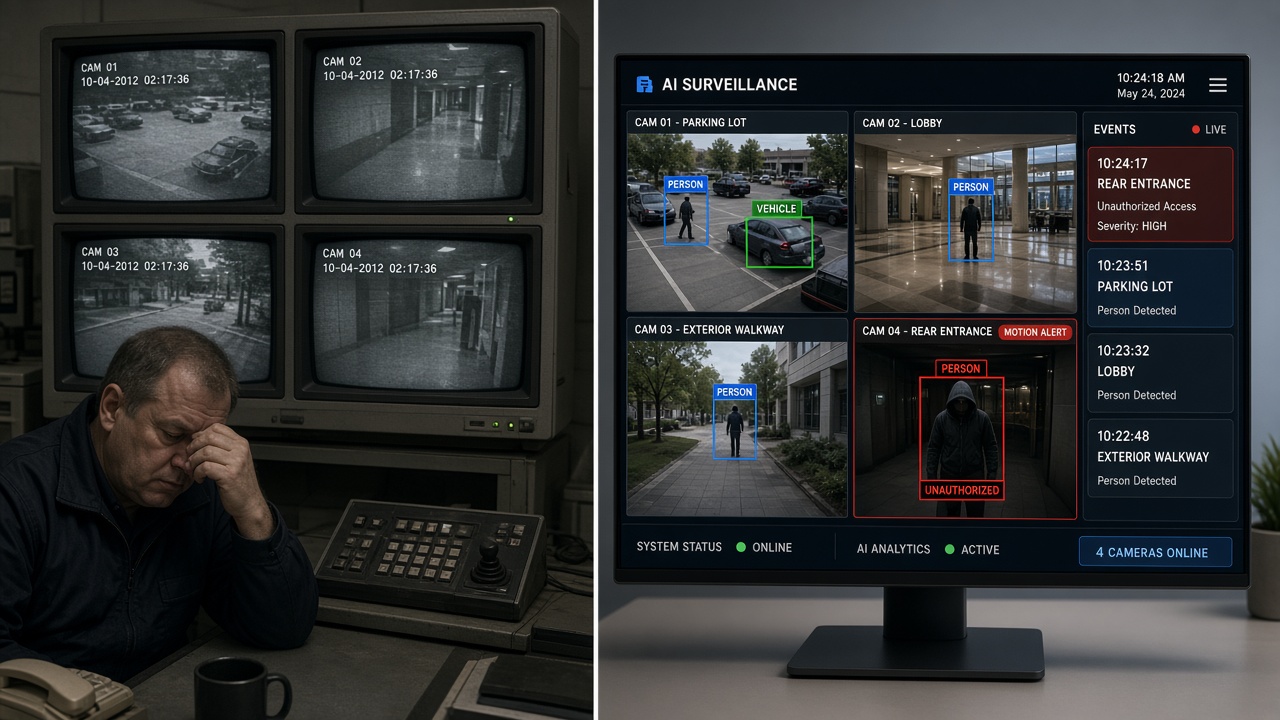
- Records continuously
- Operators watch many screens
- Footage searched after the fact
- Answers “What happened?”
- Detects configured events
- Analyses what is happening
- Attaches evidence and insight
- Alerts the right people
- Supports a timely response
This doesn’t mean that AI replaces security personnel, traffic operators or business decision-makers. It means technology can help them focus their attention on defined events and relevant information rather than manually observing every frame.
What Is AI & Video Intelligence?
More Than Camera Monitoring
AI & Video Intelligence combines video infrastructure with artificial intelligence and computer vision to extract meaningful information from video.
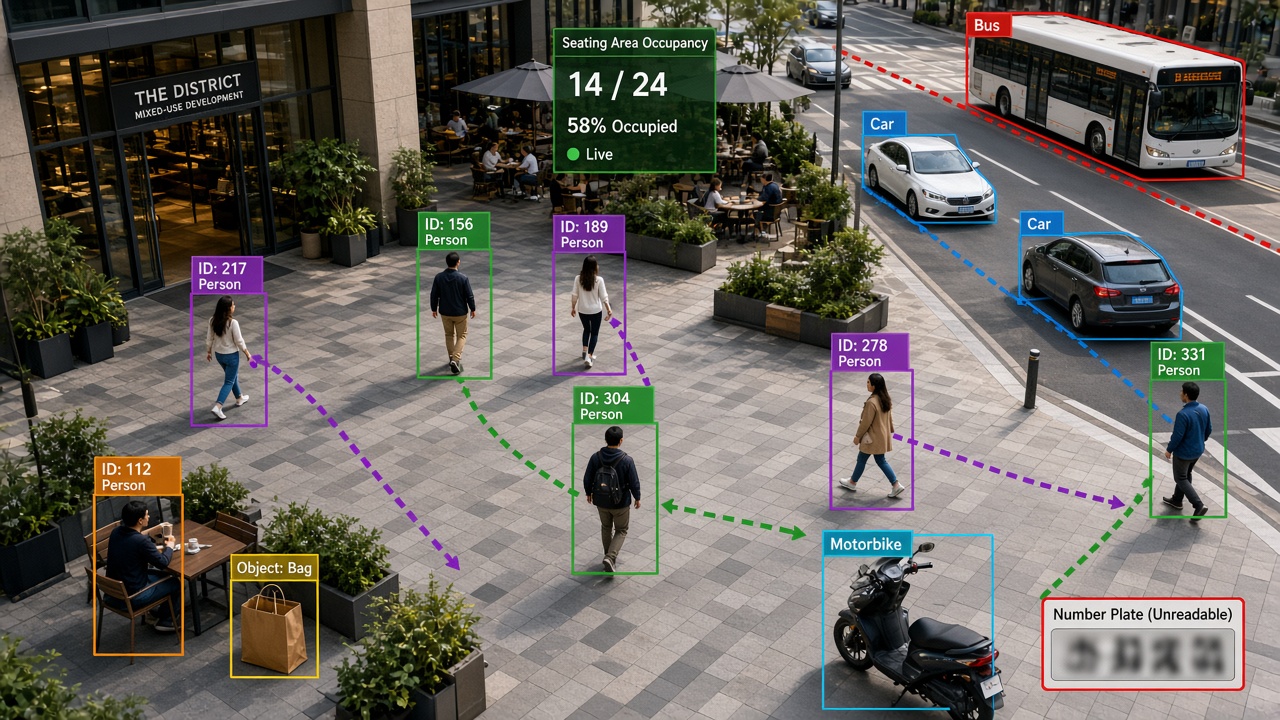
The resulting information can then be used for:
The exact capabilities available depend on the AI model, camera characteristics, environment and deployment configuration.
The MLT AI & Video Intelligence Ecosystem
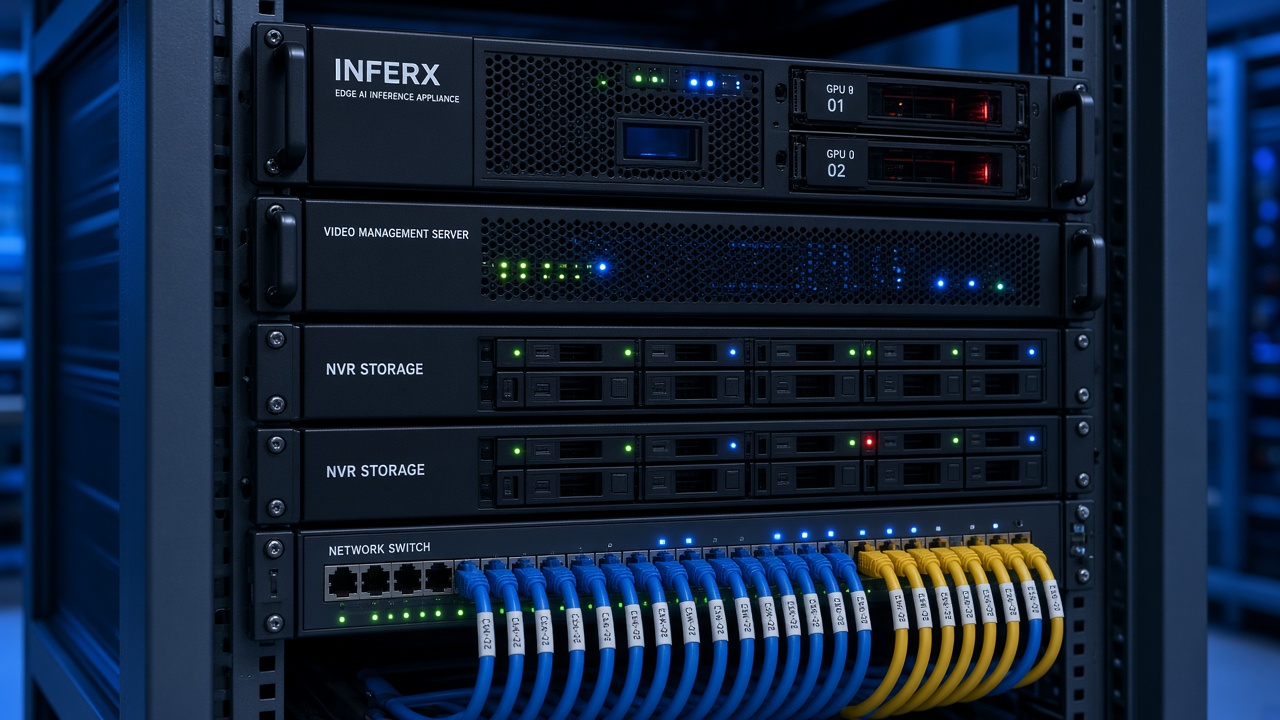
MLT approaches video intelligence as a technology stack rather than a single application.
Powered by DhurgAI
MLT’s AI Video Intelligence Foundation
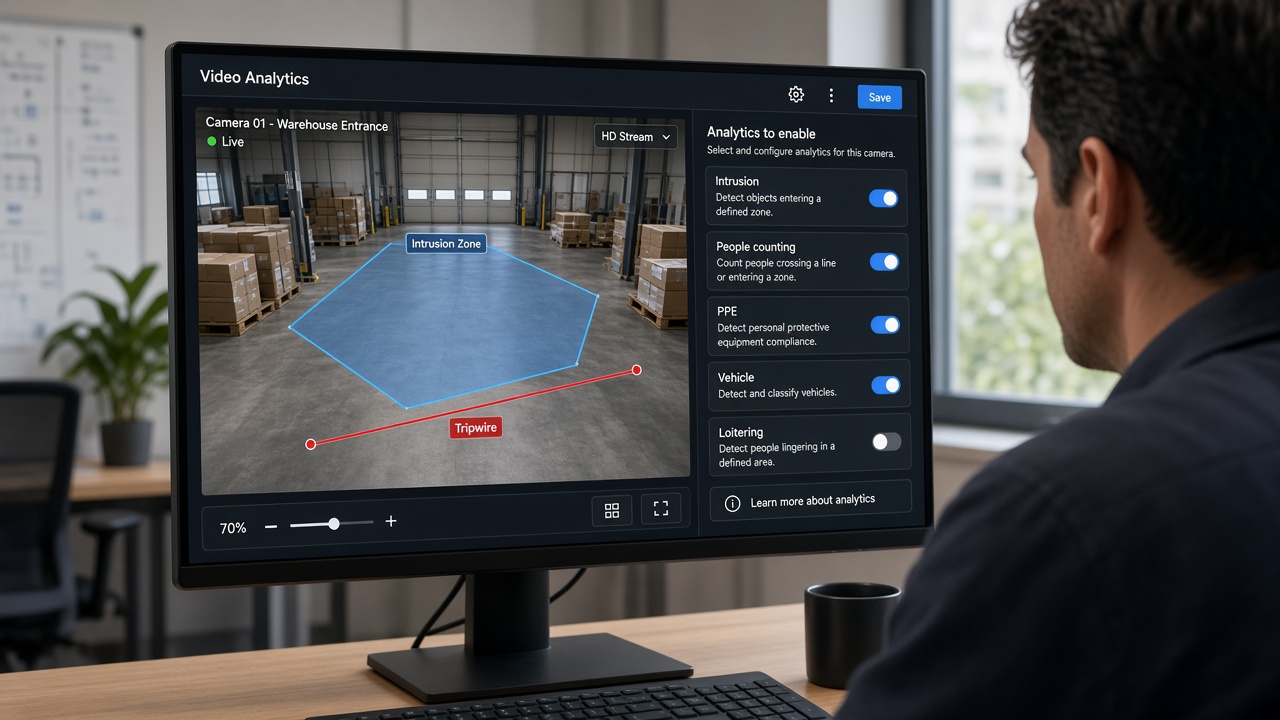
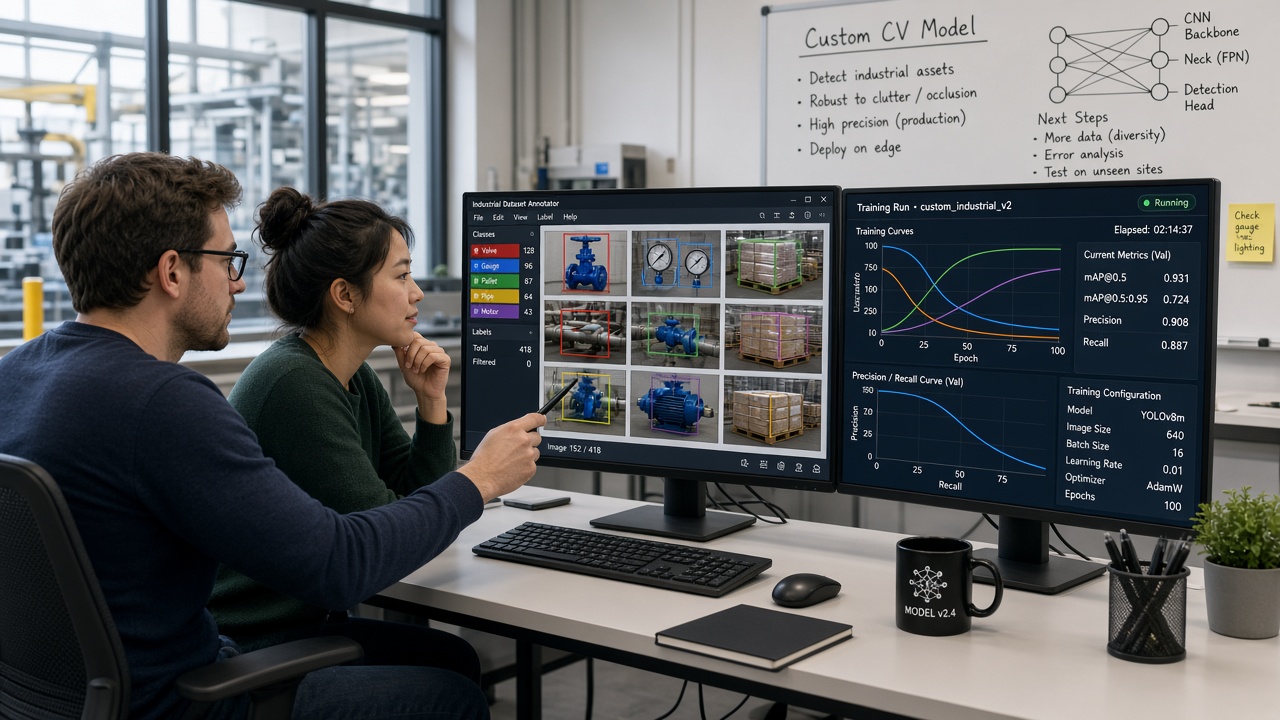
DhurgAI is MLT’s AI-powered video analytics platform. It provides the underlying AI and computer vision capabilities used across multiple video intelligence applications.
DhurgAI can be configured to analyse video for different categories of intelligence, including:
Five Areas of AI & Video Intelligence
The MLT Solutions portfolio is organized into five major areas of AI & Video Intelligence.
One Video Stream. Multiple Intelligence Layers.
A major advantage of AI video analytics is that the same camera infrastructure may support multiple configured analytics, subject to camera suitability and available processing capacity.
For example, a camera at a facility entrance might support:
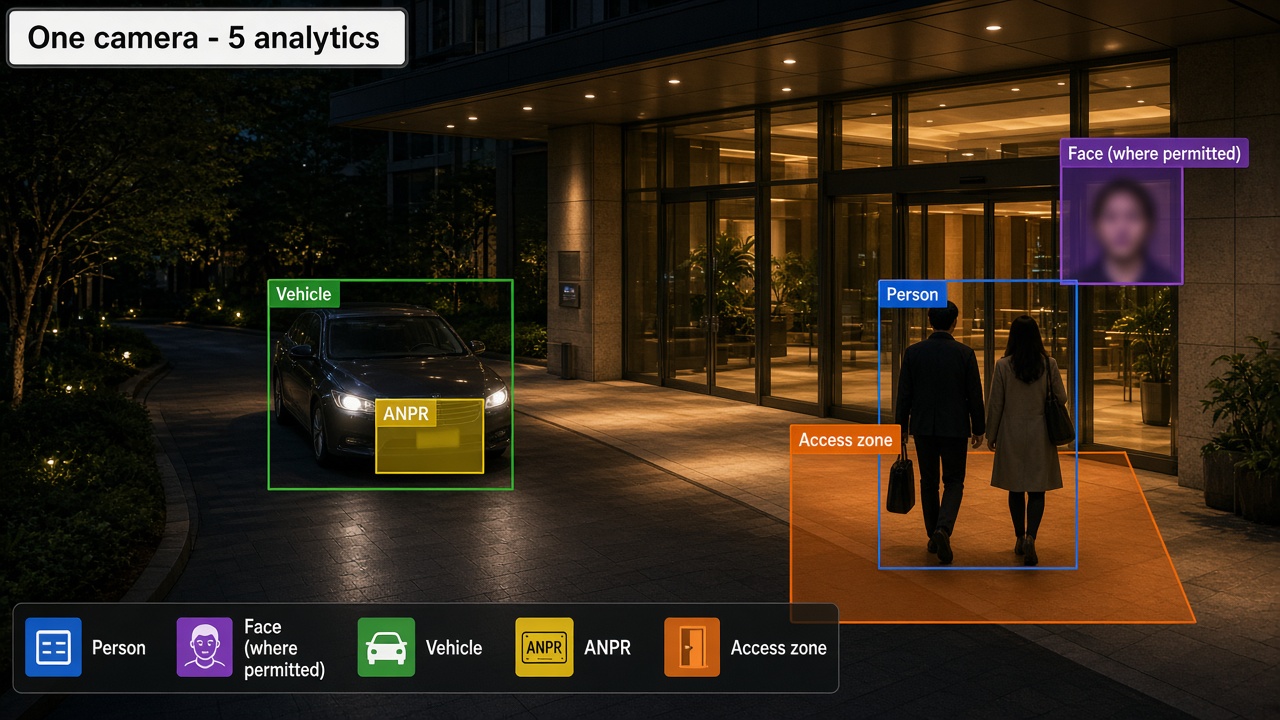
The actual combination depends on the camera view, lighting, image quality, AI models and processing resources.
This allows organizations to build intelligence incrementally rather than treating every use case as a separate camera deployment.
Existing Cameras or New Infrastructure?
Start With What You Already Have
AI video analytics does not automatically require replacing every existing camera.
Existing cameras can potentially be integrated when they provide suitable:
However, not every camera is suitable for every AI use case. For example, a camera positioned appropriately for general surveillance may not provide the image quality or angle required for reliable ANPR or face recognition.
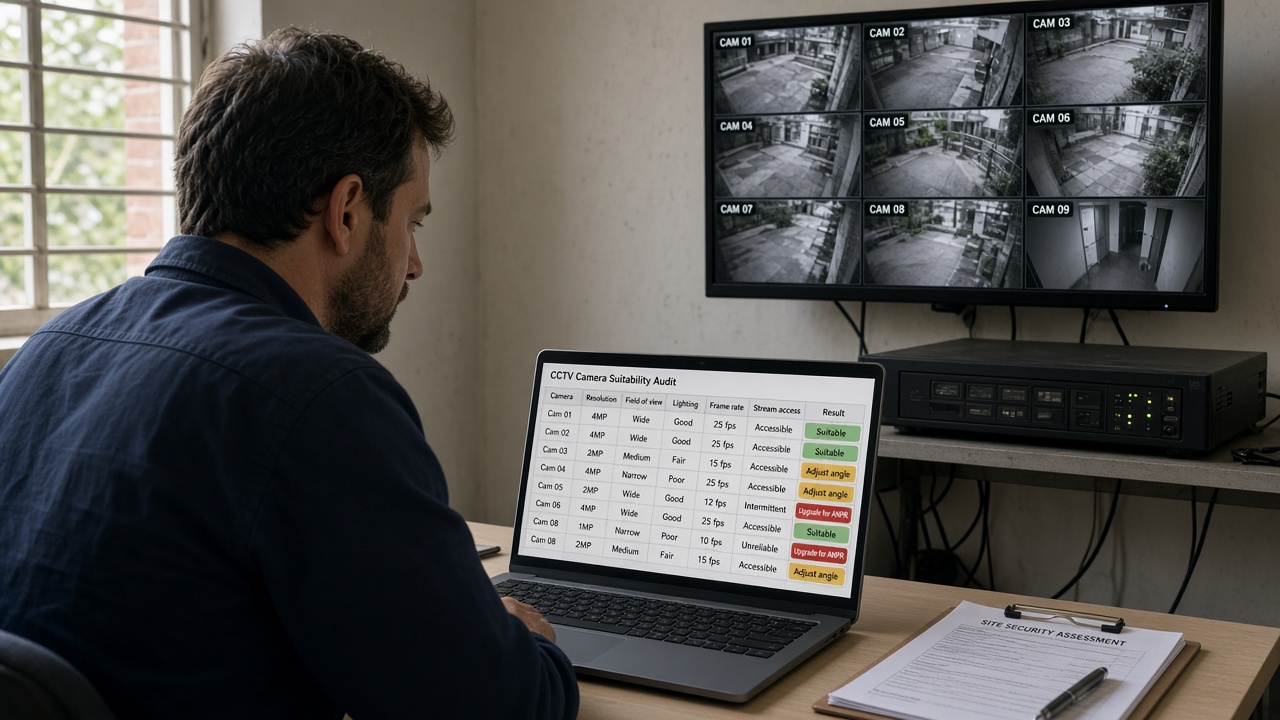
MLT can evaluate the existing video infrastructure against the intended analytics before recommending upgrades.
Why Camera Placement Matters
AI Performance Starts With the Video
AI is only one part of a successful video analytics deployment. The quality of the input video strongly influences what can be detected reliably.
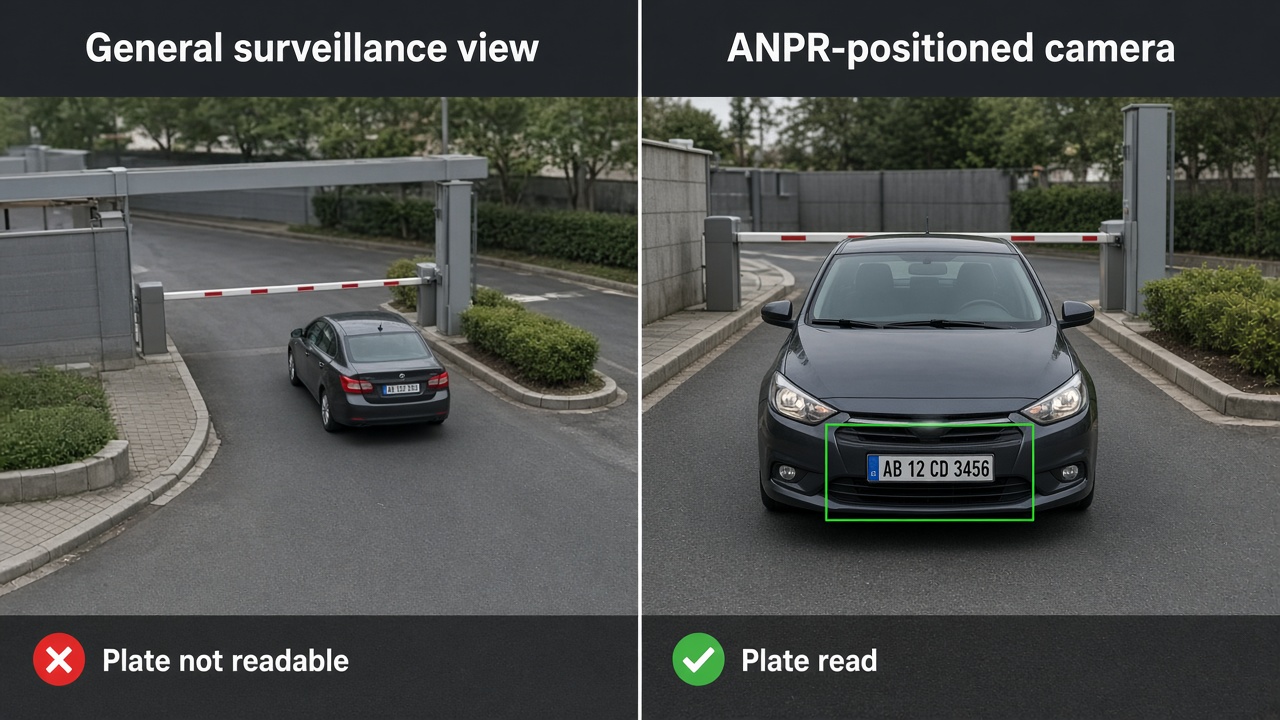
This is why MLT approaches video intelligence as a system engineering problem, not simply an AI software installation.
Video Intelligence Architecture
A typical MLT deployment can be structured as:
The architecture can be implemented using edge processing, centralized processing or a hybrid approach.
Edge, Centralized or Hybrid AI
Deploy Intelligence Where It Makes Sense
Video processing can occur closer to the cameras. Useful where:
- Bandwidth is limited
- Low latency is important
- Local processing is preferred
- Distributed locations require local intelligence
Video streams or relevant data are processed centrally. Useful for:
- Command centres
- Centralized monitoring
- Multi-location analytics
- Unified event management
A combination of edge and centralized processing, balancing local processing with centralized intelligence.
- Local detection at the edge
- Central events & monitoring
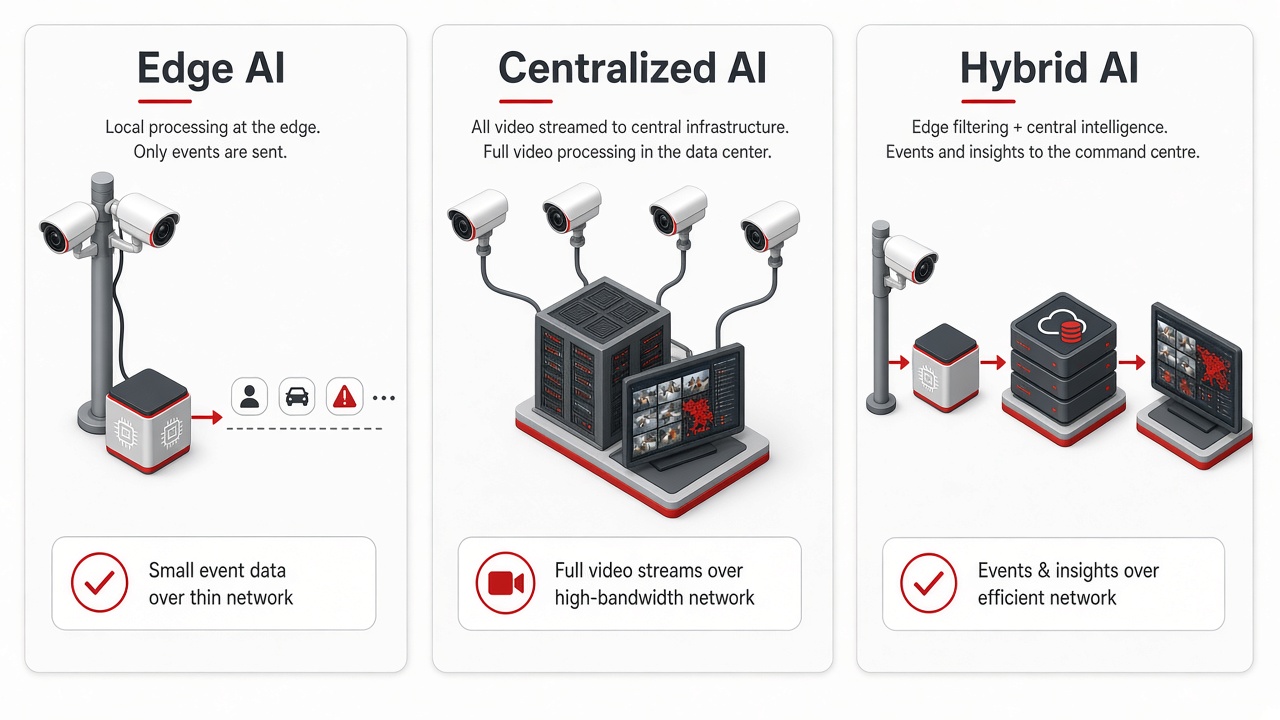
The appropriate architecture depends on camera count, video resolution, analytics workload, network availability, latency requirements and infrastructure.
From Detection to Action
AI Is Most Valuable When It Connects to a Workflow
An AI model detecting an object is only the beginning. The operational value comes from what happens next.
Example — Security
Example — Traffic
Example — Safety
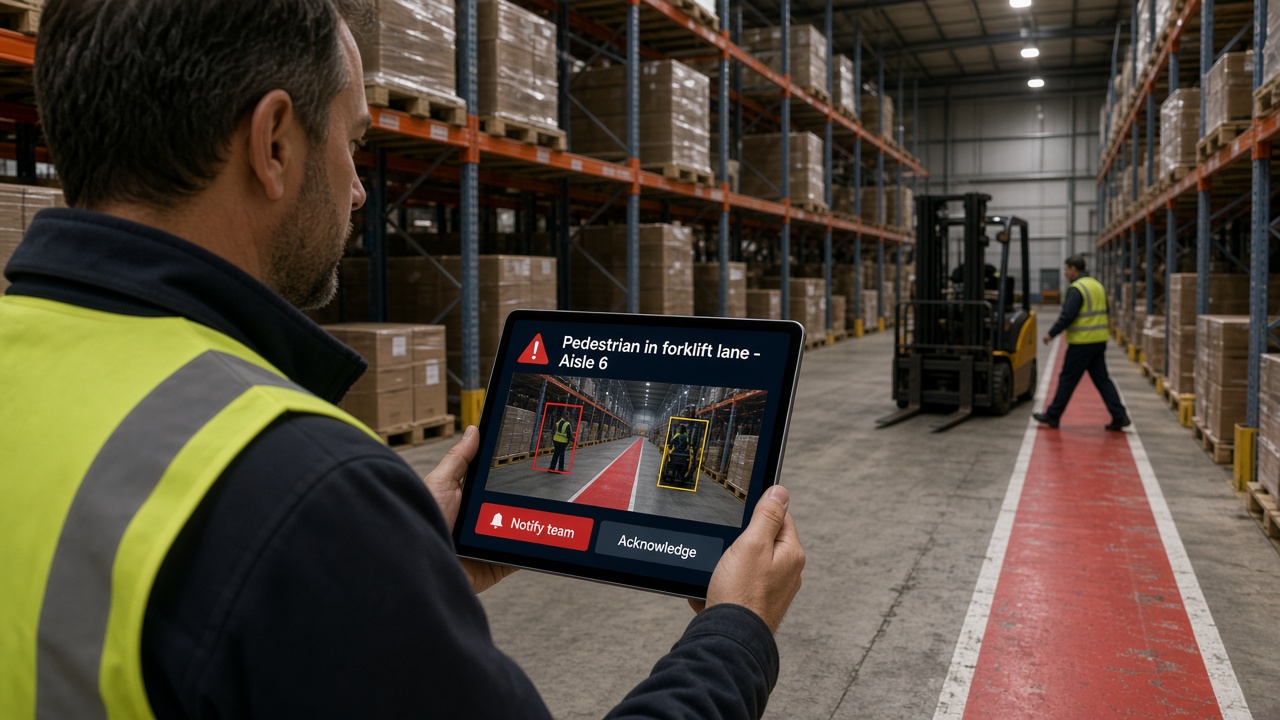
This is where MLT’s AI capability moves from computer vision to operational intelligence.
Real-World Traffic Intelligence
AI Video Intelligence in the Field
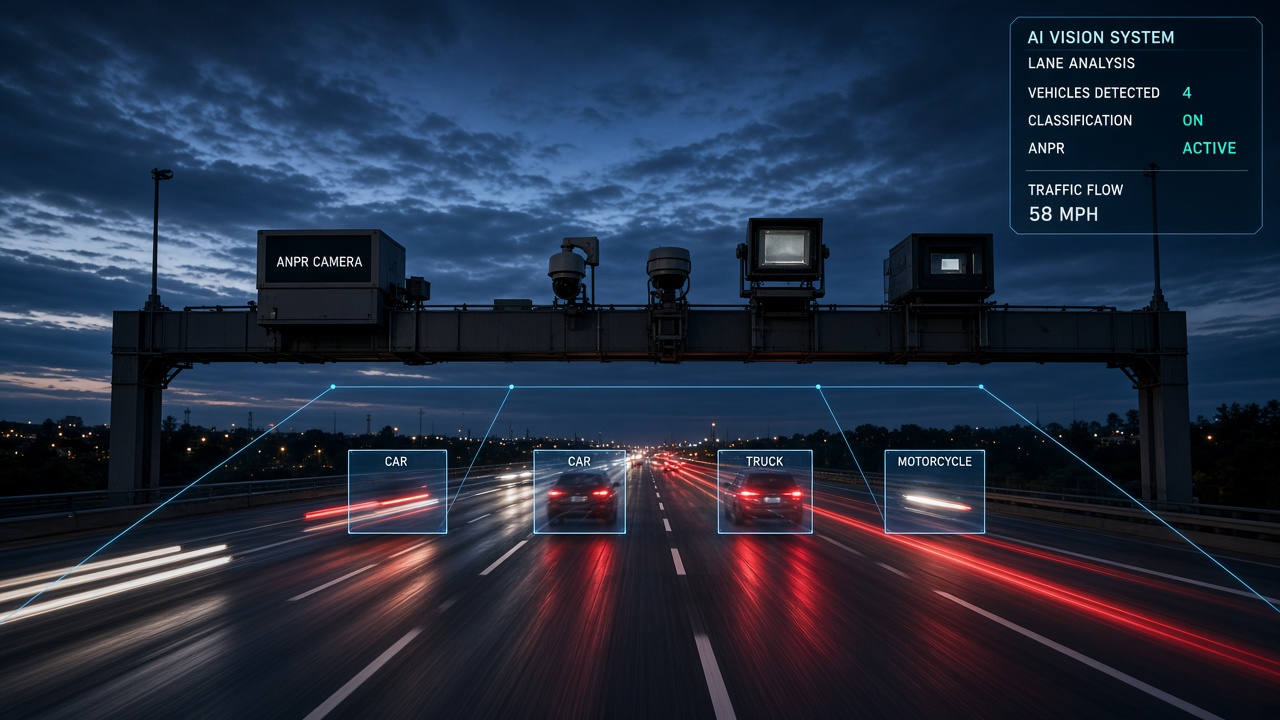
MLT has applied its video intelligence capabilities through the TruSight platform in real traffic environments.
These deployments demonstrate how AI video intelligence can be connected to actual roadside infrastructure, networking, processing, monitoring and operational workflows.
Beyond Traffic
Video Intelligence Across Industries
- Worker Safety
- PPE Monitoring
- Restricted Zones
- Operational Monitoring
- Object / Goods Detection
- Vehicle Monitoring
- People Tracking
- Goods Counting
- Warehouse Operations
- Security
- Footfall
- Occupancy
- Customer Movement
- Queue Monitoring
- Security
- Public-Space Monitoring
- Traffic Intelligence
- ANPR
- Security
- Command Centres
- Access Monitoring
- Security
- Occupancy
- Workplace Analytics
- Perimeter Monitoring
- Asset Protection
- Remote Surveillance
- Operational Monitoring
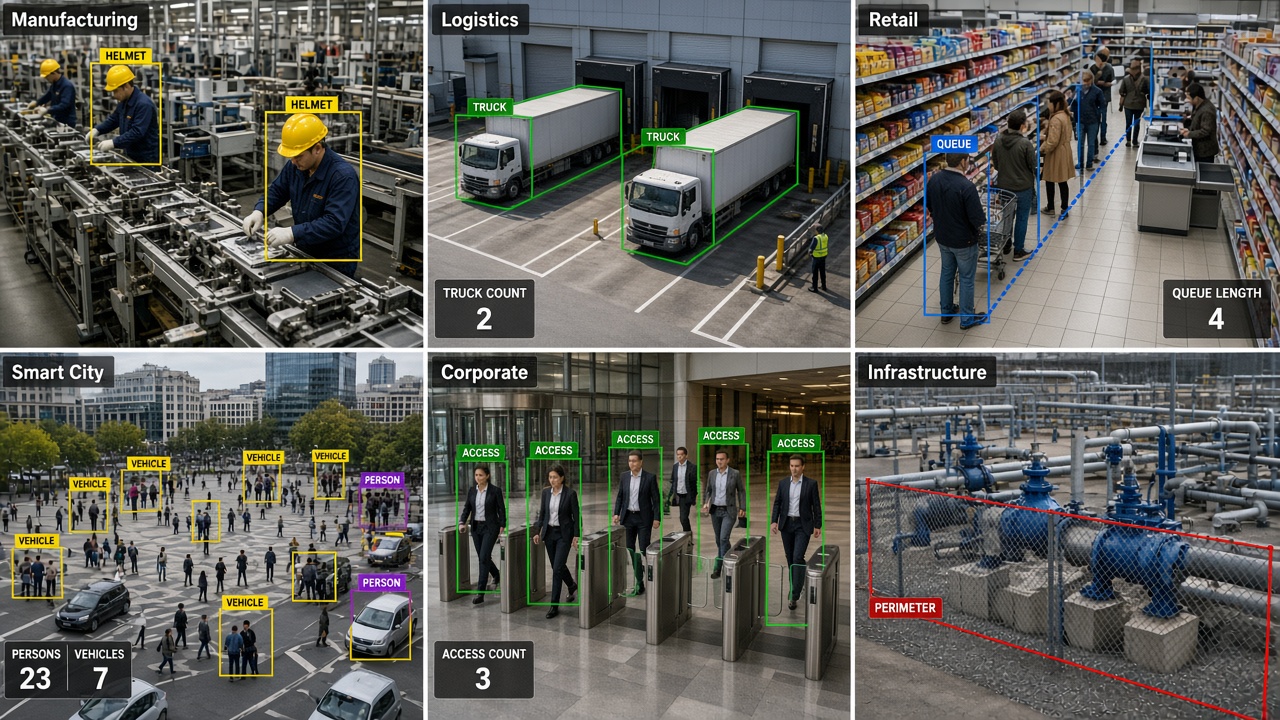
The exact capabilities available depend on the application and deployment configuration.
Responsible AI & Video Analytics
Intelligence Requires Responsible Deployment
Video analytics can affect people, privacy and operational decisions. MLT’s approach is therefore based on defined use cases, appropriate system configuration, human oversight and responsible data handling.
NIST’s AI Risk Management Framework identifies trustworthy AI considerations including validity and reliability, safety, security and resilience, accountability and transparency, explainability, privacy enhancement and fairness.
For technologies such as face recognition, performance can vary with image quality, application context and demographic factors. NIST’s Face Recognition Technology Evaluation documents demographic differentials and the effects of image quality and other factors on recognition performance.
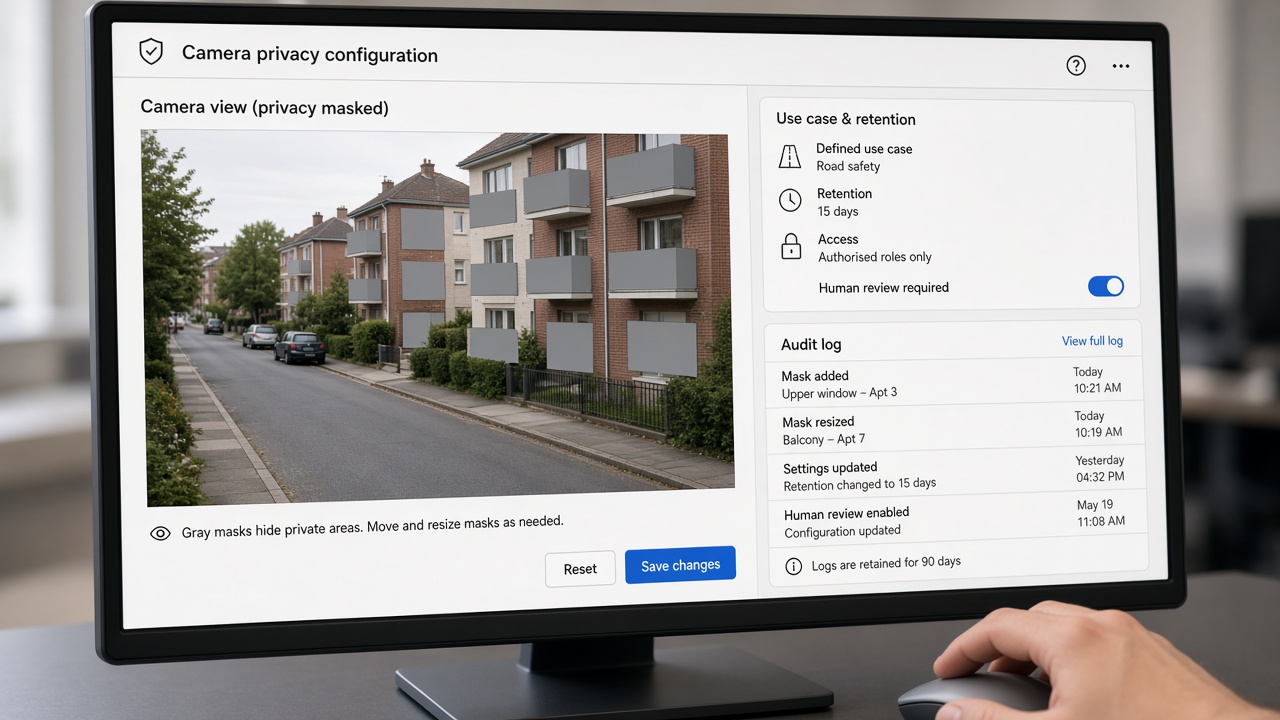
- “100% accurate AI surveillance.”
- “AI analytics configured and evaluated for the intended environment and use case.”
This is more credible and more appropriate for enterprise and government deployments.
Video Interoperability
Work With Existing Video Ecosystems
Video infrastructure often includes cameras and systems from multiple manufacturers.
Standards such as ONVIF are designed to support interoperability between IP-based physical-security products. ONVIF profiles define specific sets of capabilities supported by conformant devices and clients.
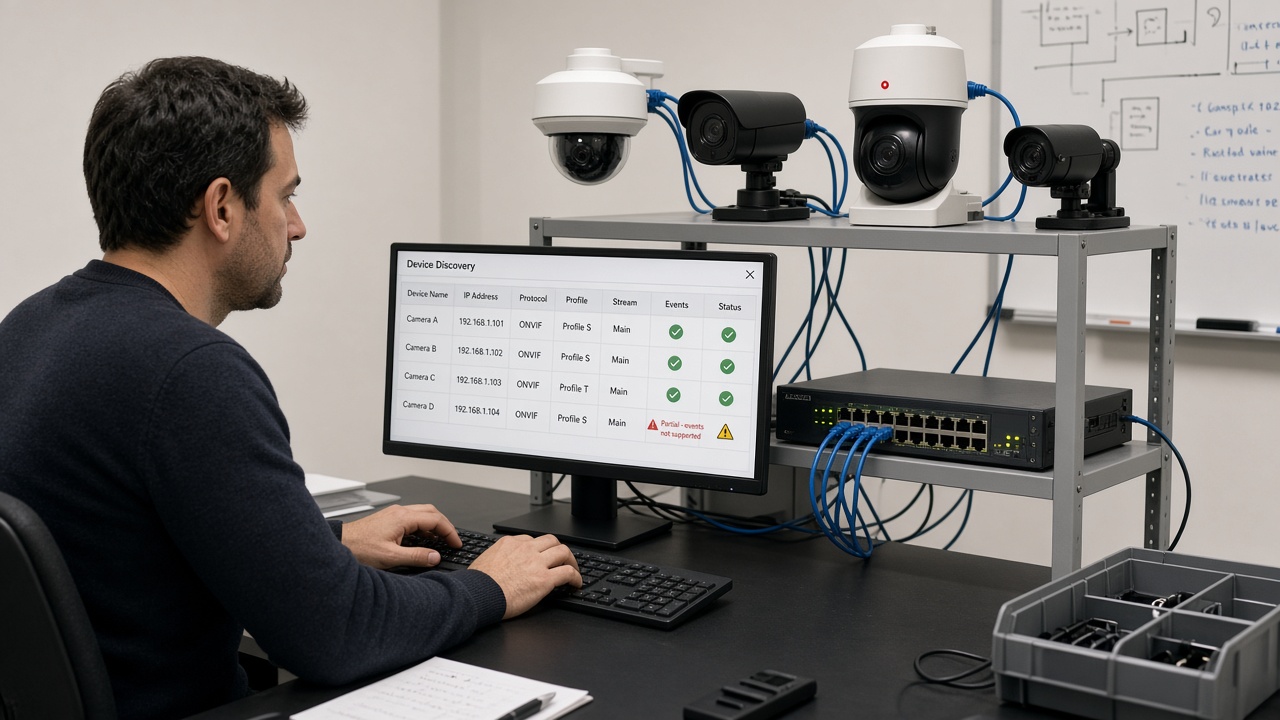
MLT can evaluate available camera and video interfaces and determine the appropriate integration approach for the intended deployment. MLT does not claim universal compatibility: actual interoperability depends on the camera, VMS, protocol and profile support, and required functionality.
Why Choose MLT for AI & Video Intelligence?
Technology That Connects AI to Real Operations
Our AI & Video Intelligence Platforms
AI & Video Intelligence Solutions
Explore All AI & Video Solutions →
How MLT Approaches a Video Intelligence Project
From Use Case to Deployment
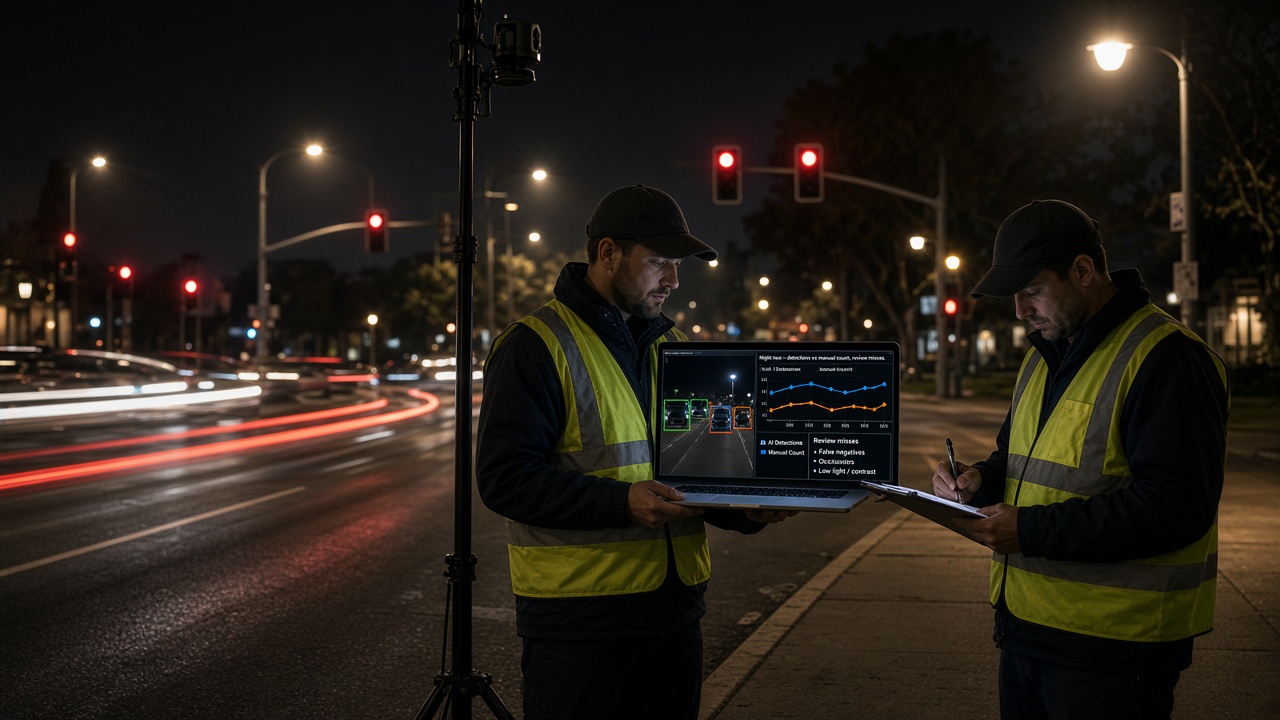
This approach is important because AI performance cannot be separated from the environment in which it is deployed.
Frequently Asked Questions
What is AI Video Intelligence?
AI Video Intelligence uses computer vision and artificial intelligence to analyse video and identify configured objects, events, behaviours or patterns, turning video into structured information.
Is AI Video Analytics the same as CCTV?
No. CCTV primarily captures and displays or records video. AI video analytics adds an intelligence layer that can analyse video and identify configured events.
Can AI analytics work with existing CCTV?
Potentially. Existing cameras can be evaluated based on resolution, positioning, lighting, video access, connectivity and the intended analytics. Not every camera will be suitable for every use case.
What is the difference between VMS and AI Video Analytics?
A VMS primarily manages video infrastructure, cameras, recordings and monitoring. AI video analytics analyses video to generate structured events and intelligence. The two can work together.
What is the difference between DhurgAI and TruSight?
DhurgAI is MLT’s broader AI video analytics platform. TruSight is a traffic-focused platform built around AI video intelligence, vehicle analytics, ANPR, traffic violations, speed intelligence and traffic workflows.
Can one camera support multiple AI analytics?
Potentially, yes. The actual combination depends on the camera view, image quality, scene complexity and available processing capacity.
Does AI replace human monitoring?
No. AI can automate defined monitoring and alerting tasks, but human personnel remain important for verification, context and appropriate response, especially in safety, security and enforcement environments.
Is face recognition always accurate?
No AI recognition system should be described as universally accurate. Performance depends on the algorithm, image quality, environment, application and other factors. NIST evaluations demonstrate that face-recognition performance can vary across conditions and demographic groups.
Can MLT integrate cameras from different manufacturers?
Integration depends on the cameras, protocols, interfaces and required functionality. Standards such as ONVIF are designed to support interoperability between conformant IP video products.
Build Intelligence Around Your Video Infrastructure
Your cameras already see a lot. The next question is: what can they understand?
MLT combines AI, computer vision, video management and domain-specific intelligence to turn video infrastructure into an operational intelligence layer.
See. Understand. Detect. Respond.
Find out what they can understand. Explore our AI video analytics and traffic intelligence platforms, or talk to MLT about your video infrastructure.
About Mountain Lamp Technologies
Mountain Lamp Technologies Pvt. Ltd. develops AI, IoT and software technology for real-world operational environments.
Its technology ecosystem includes DhurgAI for AI Video Analytics, TruSight for Intelligent Traffic Management, iSenzoT for IoT Intelligence and domain-specific software and infrastructure solutions.
MLT combines computer vision, artificial intelligence, IoT, software engineering and system integration to build technology that connects physical environments with digital intelligence.