
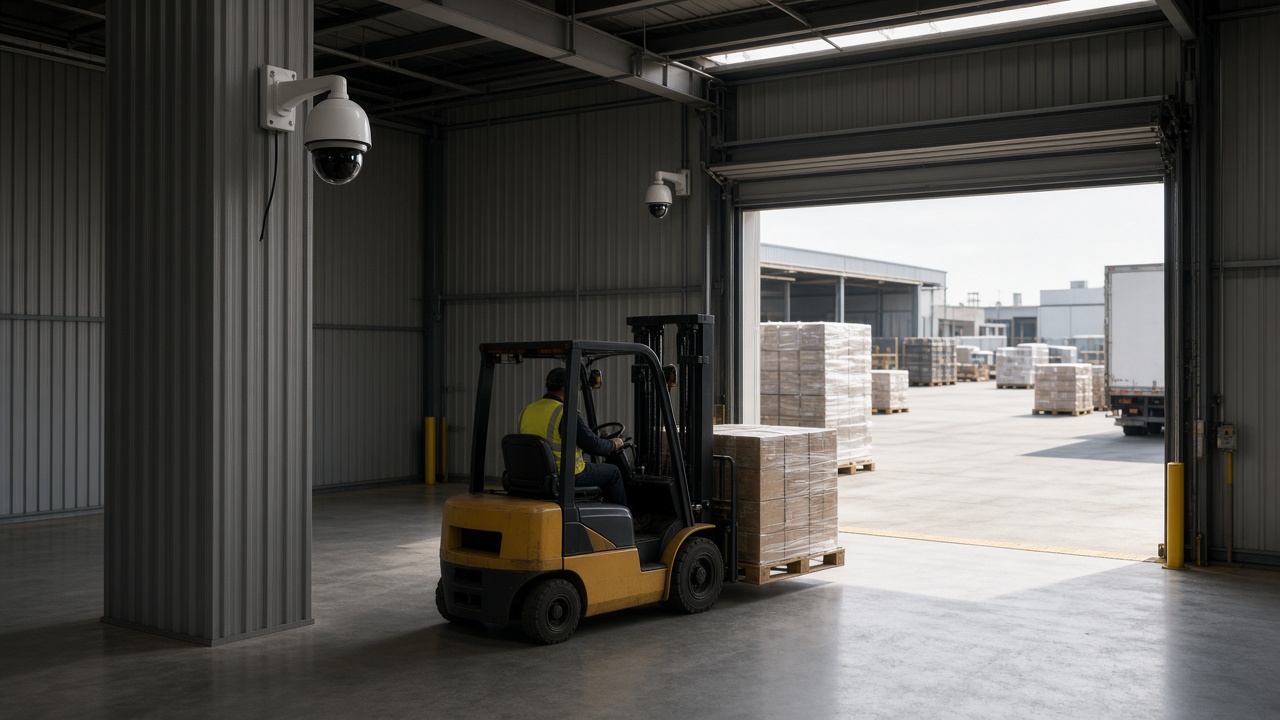
What is Object Tracking in Video Analytics?
Object Tracking uses AI algorithms to detect, classify, and continuously monitor objects within video streams. It maintains identity persistence even when objects move, overlap, or change direction—ensuring uninterrupted visibility and actionable insights.
Object Tracking bridges the gap between observation and intelligence. It empowers organizations to understand movement dynamics, anticipate risks, and optimize operations—all through the lens of AI‑driven vision.
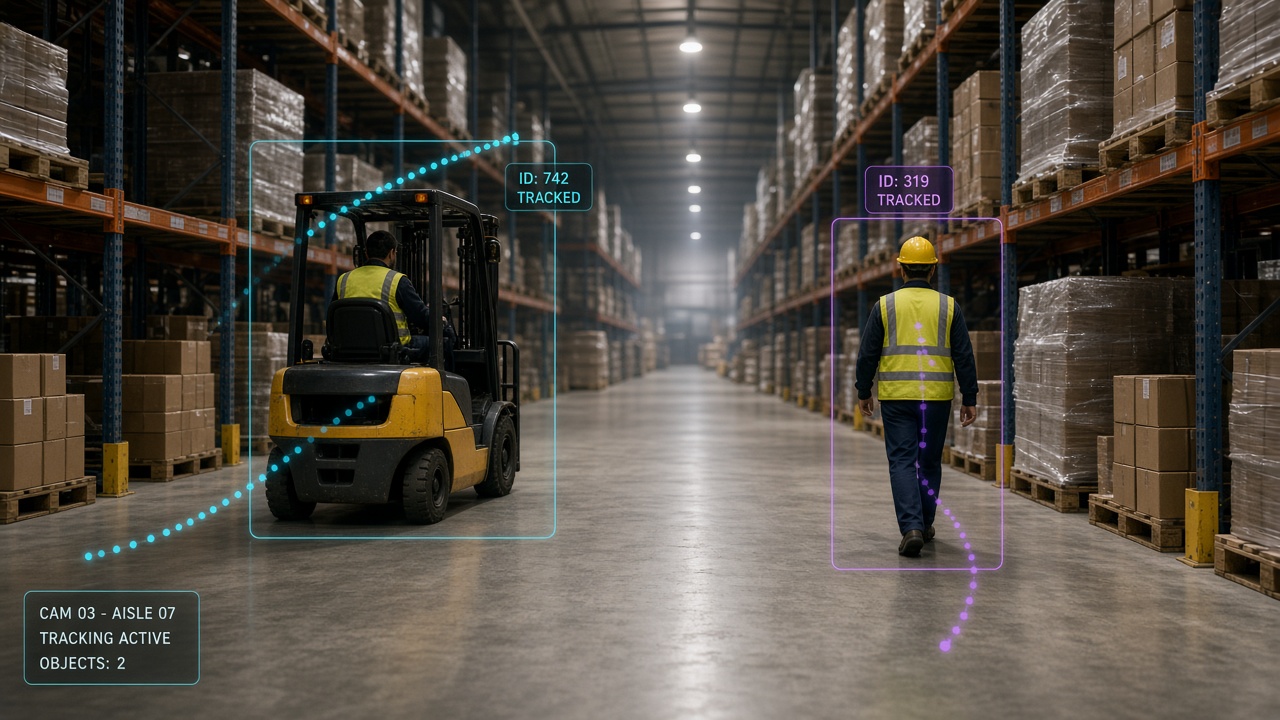
Why Real-Time Tracking Matters Today
Traditional monitoring was designed to record and review later. That model cannot keep pace with multi-site camera growth, operator fatigue and the need for immediate response.
Object tracking closes the biggest operational gaps:
With AI-powered analytics, cameras become intelligent sensors that feed insights into dashboards, alerts and automated workflows.
How Object Tracking Works
From capture to action, Object tracking follows a clear processing chain:
Example: a detected event can automatically notify operators, update a dashboard, or trigger an integrated enterprise workflow.
Key Object Tracking Capabilities
Why Object Tracking Is Becoming Essential
Demand for Object tracking continues to rise as enterprises, cities and industrial operators digitize monitoring and expect real-time outcomes from existing camera networks.
AI video surveillance growth outlook by 2032
Object Tracking Benefits
Object Tracking Use Cases
Conclusion
Object tracking is reshaping how organizations use cameras in 2026—turning footage into real-time intelligence for safer, smarter operations.