
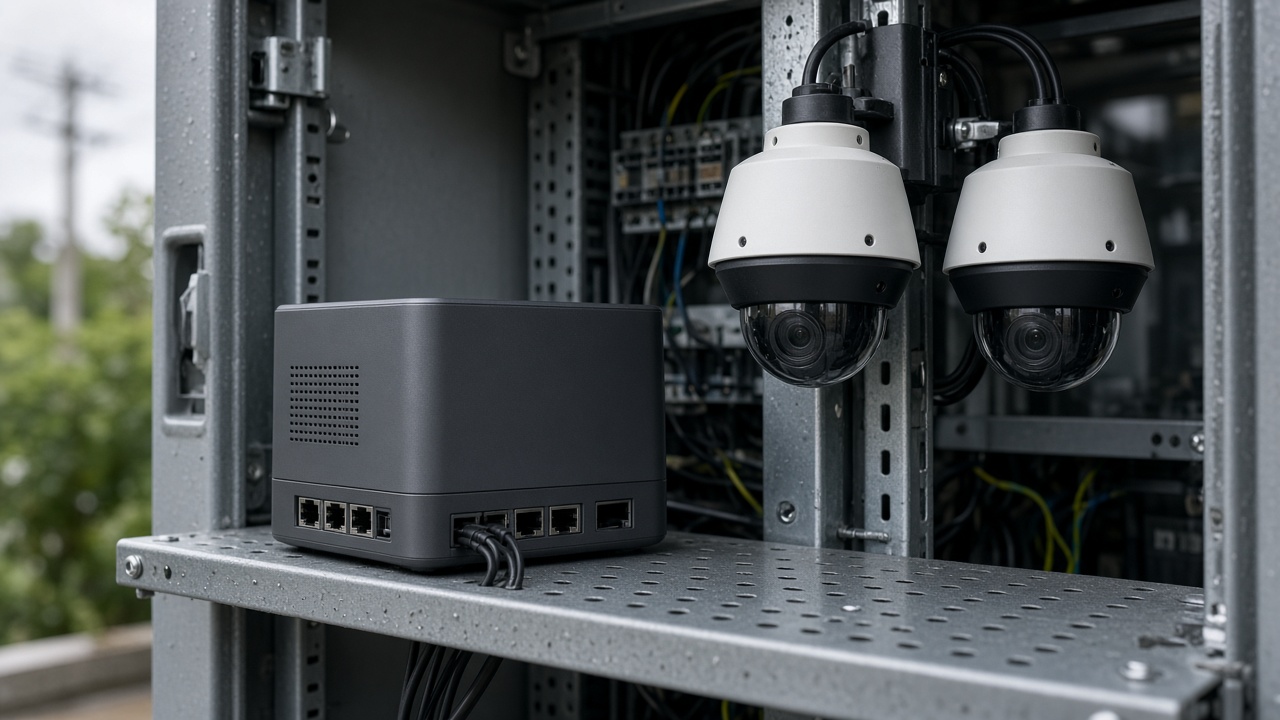
What is Real-Time Video Analytics?
Real‑time video analytics has transformed surveillance from passive monitoring into active, AI‑driven intelligence. Instead of humans watching screens, neural networks analyze every frame, detect objects, track movement, and trigger alerts instantly — across hundreds of cameras simultaneously. This shift is reshaping security, safety, retail, logistics, and smart cities worldwide.
Modern platforms follow a proven pipeline: ingest → infer → act, turning raw video into structured, searchable data.

Why Every Industry Needs Live Video Intelligence
Traditional monitoring was designed to record and review later. That model cannot keep pace with multi-site camera growth, operator fatigue and the need for immediate response.
Real-time video analytics closes the biggest operational gaps:
With AI-powered analytics, cameras become intelligent sensors that feed insights into dashboards, alerts and automated workflows.

How Real-Time Video Analytics Works
From capture to action, Real-time video analytics follows a clear processing chain:
Example: a detected event can automatically notify operators, update a dashboard, or trigger an integrated enterprise workflow.
Key Real-Time Capabilities
Why Real-Time Analytics Is Essential
Demand for Real-time video analytics continues to rise as enterprises, cities and industrial operators digitize monitoring and expect real-time outcomes from existing camera networks.
AI video surveillance growth outlook by 2032
Real-Time Video Analytics Benefits
Real-Time Use Cases Across Industries
Conclusion
Real-time video analytics is reshaping how organizations use cameras in 2026—turning footage into real-time intelligence for safer, smarter operations.