
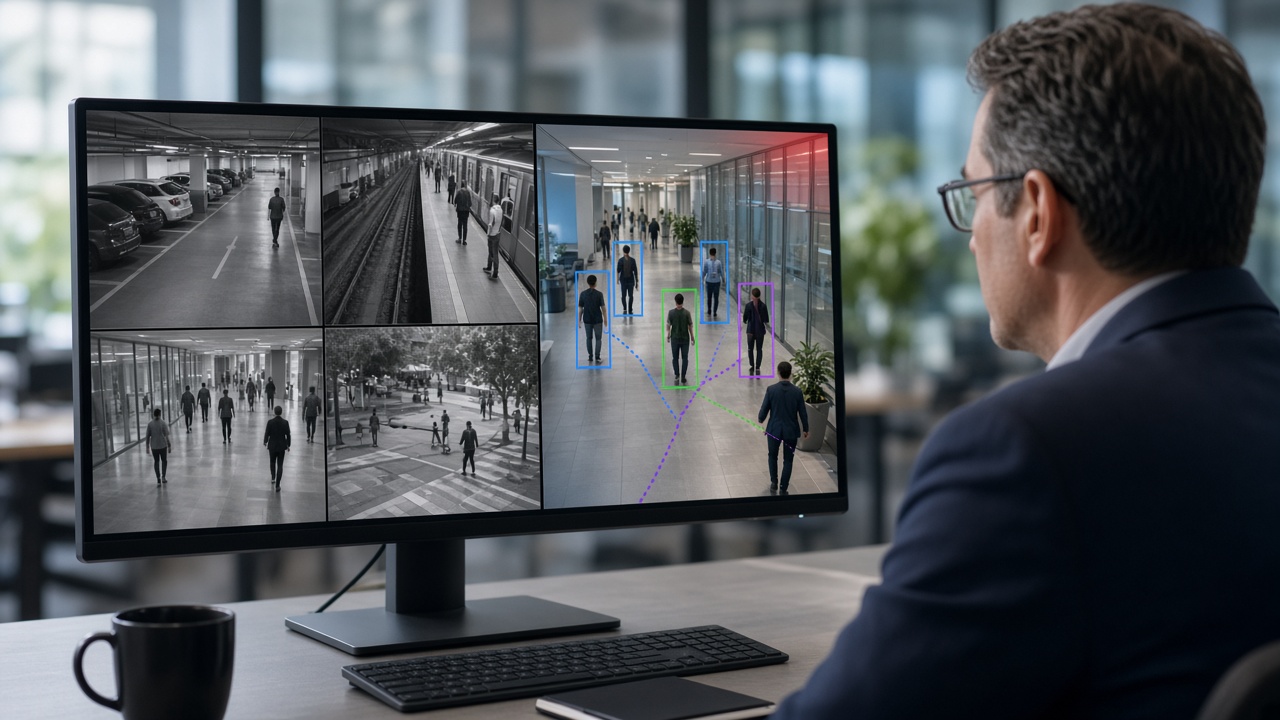
Standard Video Analytics vs Intelligent Video Analytics
Video analytics has become essential across industries—from security and safety to operations and automation. But not all analytics are the same. Today, businesses often compare Standard Video Analytics with Intelligent Video Analytics (IVA) to understand which solution fits their needs. Here’s a simple, clear breakdown.
Standard Video Analytics relies on rule‑based, predefined algorithms to detect basic events in video footage. These systems do not “learn” or adapt; they simply follow fixed instructions.
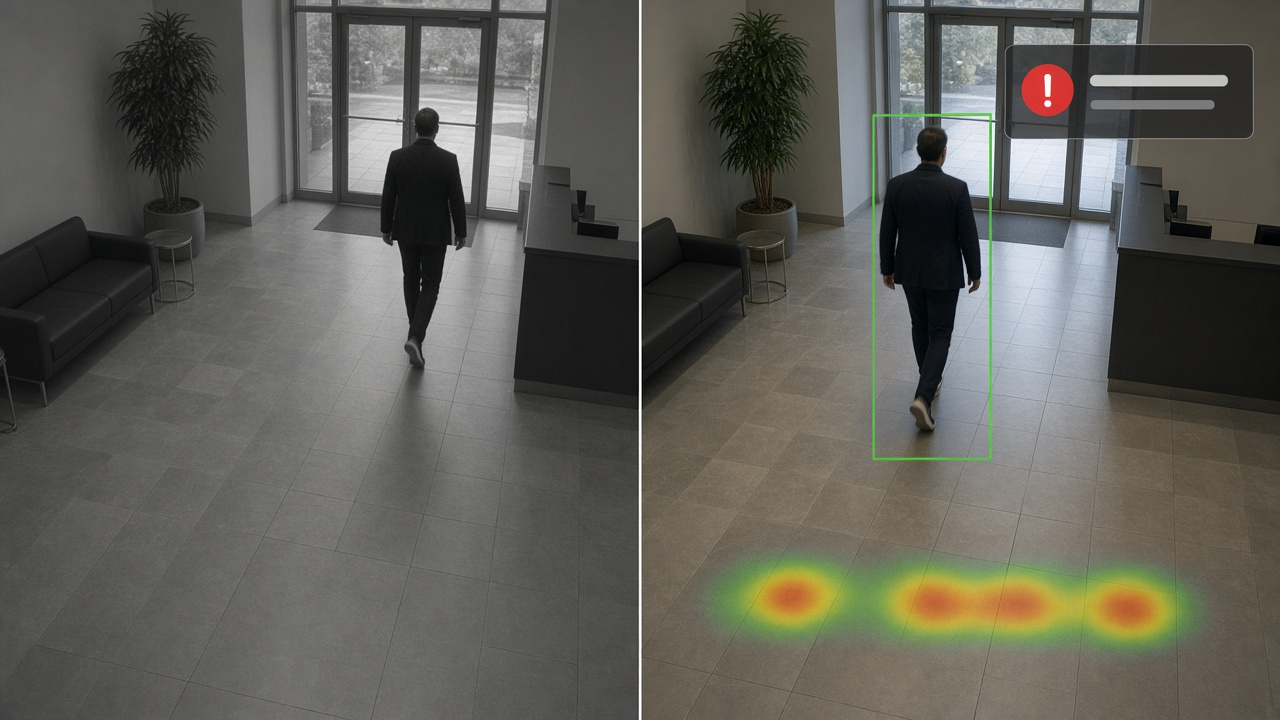
Why the Distinction Matters Now
Traditional monitoring was designed to record and review later. That model cannot keep pace with multi-site camera growth, operator fatigue and the need for immediate response.
Standard vs IVA closes the biggest operational gaps:
With AI-powered analytics, cameras become intelligent sensors that feed insights into dashboards, alerts and automated workflows.
How the Two Approaches Differ in Practice
From capture to action, Standard vs IVA follows a clear processing chain:
Example: a detected event can automatically notify operators, update a dashboard, or trigger an integrated enterprise workflow.
Capability Comparison Highlights
Why Organizations Are Moving to IVA
Demand for Standard vs IVA continues to rise as enterprises, cities and industrial operators digitize monitoring and expect real-time outcomes from existing camera networks.
AI video surveillance growth outlook by 2032
Benefits of Choosing the Right Layer
When to Use Standard vs IVA
Conclusion
Standard vs IVA is reshaping how organizations use cameras in 2026—turning footage into real-time intelligence for safer, smarter operations.