Case Study · Smart Water Infrastructure

Bringing IoT Intelligence to Water Infrastructure

H2O360 — from distributed water tanks and sensors to centralized infrastructure intelligence. Sense → Connect → Monitor → Alert → Act.

H2O360 Platform Powered by iSenzoT MQTT · Cloud
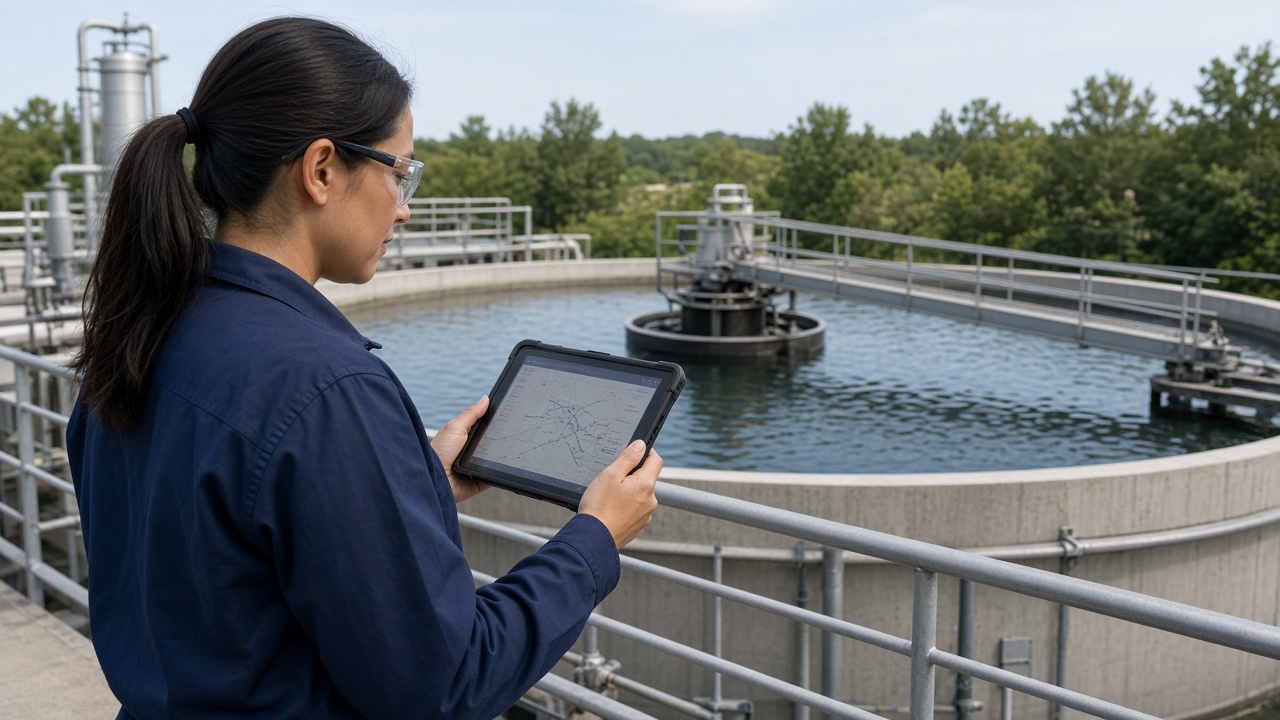
H2O360 smart water infrastructure monitoring

Making Water Infrastructure Visible, Measurable and Intelligent

Water infrastructure is distributed across locations, but operational visibility is often fragmented. Tank levels, water availability, equipment status and other infrastructure parameters need to be monitored continuously to understand what is happening across the network.

MLT's H2O360 brings IoT, cloud connectivity and centralized intelligence together to create a unified monitoring platform for water infrastructure.

Sense → Connect → Monitor → Alert → Act

Every Tank. Every Reading. One Intelligent View.
Recommended architecture visual
Water infrastructure · tanksField assets across locations
iSenzoT sensors → MQTT → cloudConnected data points
H2O360 platformDashboards · alerts · analytics
Collector · Supervisor · Field userRole-based web / mobile access
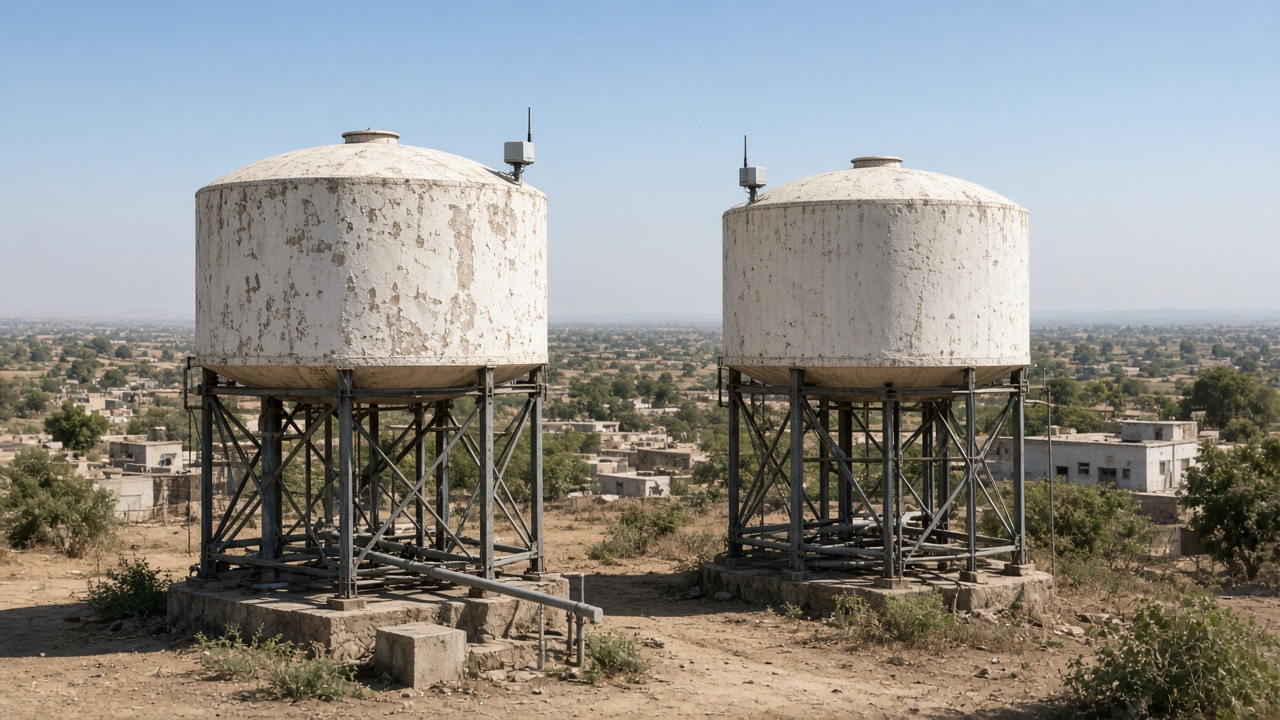
Water tanks instrumented with IoT sensors

Project at a Glance

A centralized IoT monitoring platform for smart water infrastructure, powered by iSenzoT.
Deployment snapshot
PlatformH2O360
Powered ByiSenzoT
DomainSmart Water Infrastructure
TechnologyIoT + Cloud + Web Platform
ConnectivityMQTT
IoT LayeriSenzoT Sensors
DashboardCentralized Web Dashboard
AccessRole-Based
MonitoringWater Infrastructure / Tank Parameters
ArchitectureCentralized IoT Monitoring
Project highlights
H2O
Water platform
IoT
iSenzoT sensors
MQTT
Connectivity
1
Central view
RBAC
Role hierarchy
Alert
Exception ops
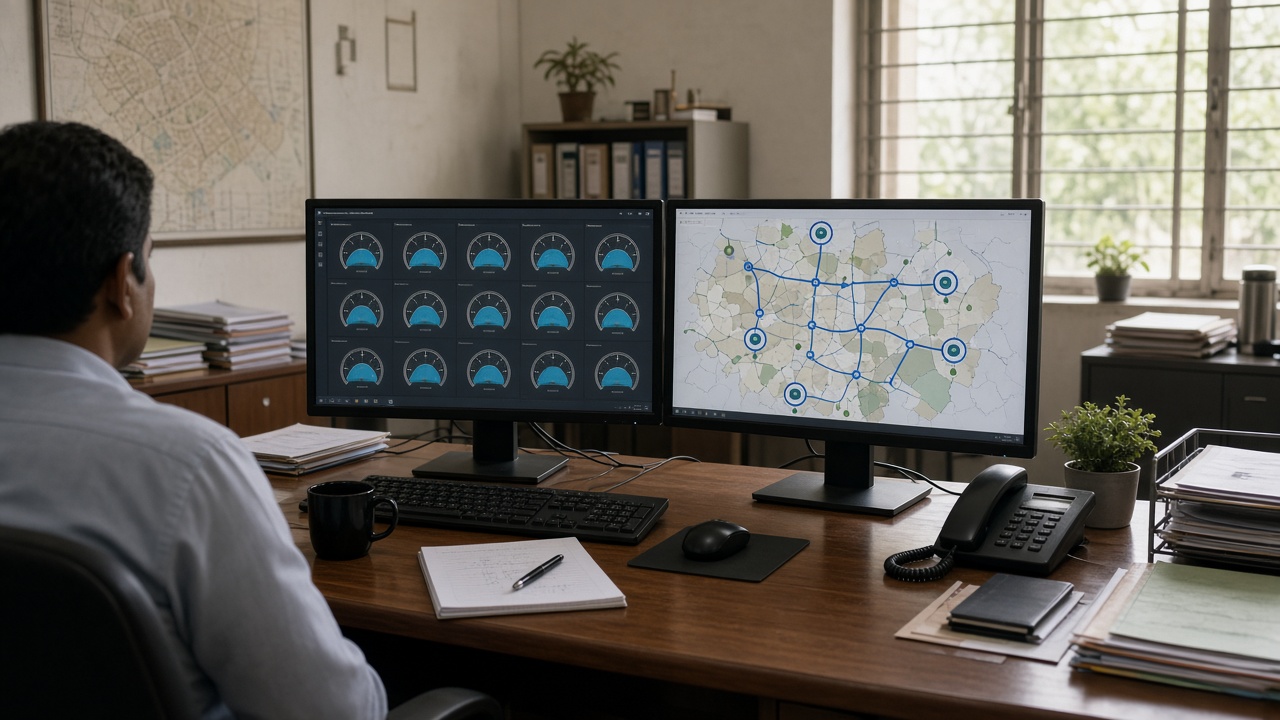
H2O360 water operations dashboard

The Challenge: Water Infrastructure Is Distributed. Monitoring Shouldn't Be.

Water tanks and related infrastructure can be spread across multiple locations. Without centralized monitoring, operational teams may have limited visibility—and senior administrators can struggle to get a district-wide operational picture. H2O360 was conceived to address this gap.
Limited visibility without a central platform
Tank conditionsHard to see current state
Water availabilityFragmented awareness
Infrastructure statusSite-by-site guessing
Abnormal conditionsFound too late
Also difficult to track
Location-wise performanceCompare sites
Historical patternsTrend visibility
Field intervention needsWho should act?
District-wide pictureAdmin oversight
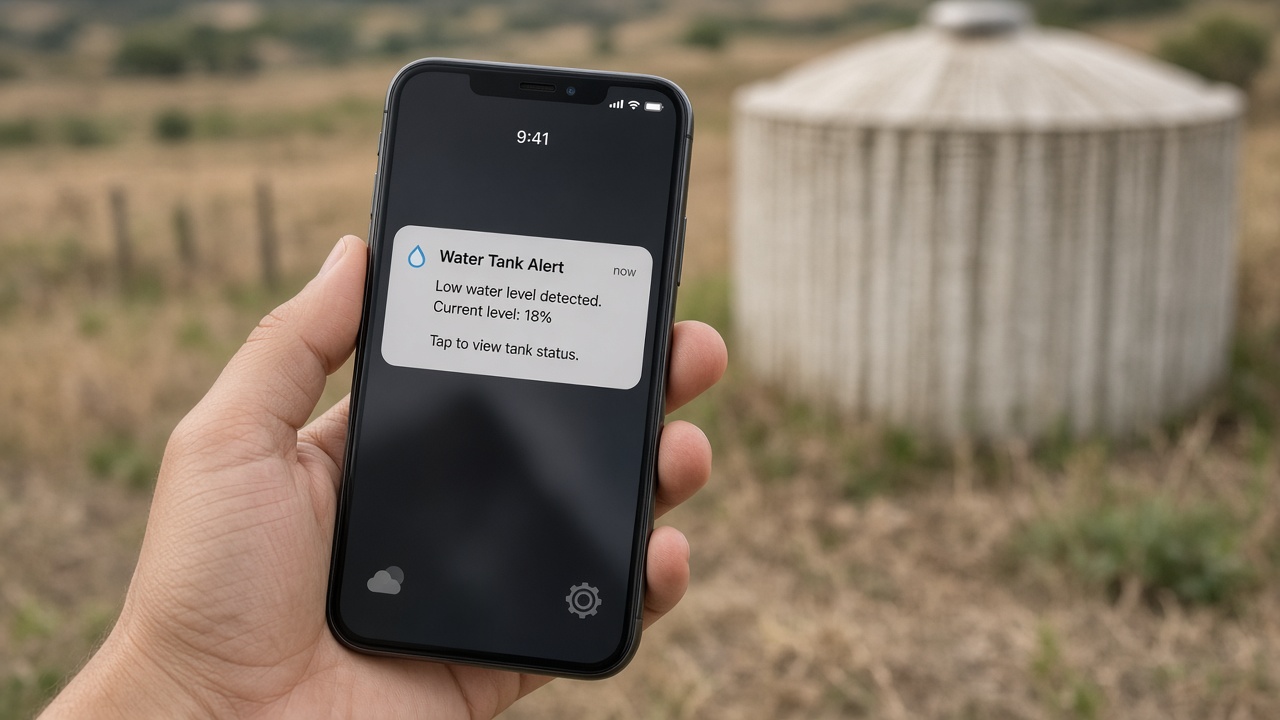
Field alert for tank level and condition

The MLT Solution: A Digital Intelligence Layer for Water Infrastructure

H2O360 connects physical water infrastructure with a centralized digital platform. At the field level, IoT sensors capture relevant parameters. Data is transmitted through the IoT connectivity layer and delivered to the cloud platform through MQTT, then processed, stored and presented through centralized dashboards.

Core architecture
1
Tank / infraPhysical asset
2
iSenzoTSensors
3
GatewayConnectivity
4
MQTTMessaging
5
Cloud IoTIngest / store
6
H2O360Platform
7
DashboardsAlerts · analytics
8
UsersOfficials · field

01 — Connecting the Physical Infrastructure

The first layer of H2O360 is the physical infrastructure. Sensors installed at water infrastructure locations continuously capture relevant operational information—so infrastructure can become a continuously monitored digital asset instead of depending entirely on periodic physical inspection.

What continuous sensing enables
Live parametersTank / infra readings
Always-on visibilityNot visit-dependent
Digital assetsInfrastructure as data
Ready for cloudFeed the platform

02 — IoT Connectivity

Every location becomes a connected data point. The IoT layer provides connectivity between field infrastructure and the centralized platform. MQTT acts as the messaging layer for transmitting sensor data—creating a lightweight and scalable communication architecture suitable for distributed IoT deployments.

Connectivity layer
iSenzoT sensorsField capture
MQTT messagingLightweight transport
Distributed sitesMany locations, one pipe
Cloud deliveryCentral ingest

03 — Centralized H2O360 Dashboard

H2O360 provides a centralized interface where authorized users can monitor water infrastructure across locations—transforming individual sensor readings into an infrastructure-level view.

Information organized around
LocationGeographic context
InfrastructureAsset grouping
TankUnit monitoring
SensorEndpoint detail
Current / historyReadings over time
Alerts & statusOperational state

04 — Role-Based Visibility

H2O360 uses a role-based hierarchy designed around the way government and infrastructure organizations operate—so the same platform can support both strategic oversight and field-level monitoring.

Proposed hierarchy
1
Collector / Super AdminDistrict oversight
2
PWD / Water Board HeadDepartment admin
3
Sub Admin / SupervisorOperational control
4
Normal usersAssigned scope
Right information to the right user
Role-matched accessFunctions fit responsibility
Strategic viewSenior admin picture
Field monitoringGround-level action
Controlled visibilityScope by role

05 — From Sensor Reading to Alert

The platform can transform raw sensor information into actionable operational events—moving H2O360 beyond being a dashboard into an operational decision-support platform.

Example workflow
1
DetectSensor condition
2
TransmitVia MQTT
3
ReceiveH2O360 ingest
4
EvaluateConfigured rules
5
IdentifyAbnormal state
6
AlertNotify users
7
ActField response

06 — Location-Based Water Intelligence

A major advantage of a centralized IoT platform is moving from individual devices to geographical and administrative intelligence—from “What is happening at this tank?” to “What is happening across the entire monitored network?”

Network-level questions enabled
Location-wise monitoringSee every site
Compare conditionsBenchmark locations
Administrative viewDistrict / network picture
Beyond one tankInfrastructure intelligence

07 — Historical Data & Trends

IoT becomes significantly more valuable when today's reading can be compared with historical behaviour. Over time, H2O360 creates a digital history of the water infrastructure.

Foundation for
Historical trendsBehaviour over time
Location analysisSite comparisons
Parameter trendsKey readings
Abnormal identificationException patterns
Performance analysisInfrastructure health
Operational reportingDecision support

08 — Cloud-Based Architecture

H2O360 is deployed on DigitalOcean, providing the cloud infrastructure for the platform. Separating field, communication, application, data and user layers provides a foundation for expansion as additional locations and assets are connected.

Architecture layers
Field layerSensors and IoT devices
Communication layer · MQTTLightweight telemetry
Application layer · H2O360Cloud platform logic
Data + user layersStorage · history · role dashboards

09 — From Monitoring to Smart Water Management

H2O360 can evolve beyond basic tank monitoring. Once infrastructure is connected and historical data accumulates, the platform provides a foundation for deeper water intelligence.

Future intelligence on the IoT foundation
Availability intelligenceWater supply insight
Performance monitoringInfrastructure health
Abnormal detectionException spotting
Consumption analysisUsage patterns
Location comparisonSite benchmarking
Maintenance alertsUpkeep signals
Operational reportingAdmin reports
Predictive analyticsForward-looking insight

The H2O360 Intelligence Cycle

Sense · Connect · Understand · Alert · Act · Learn
1
SenseiSenzoT capture
2
ConnectIoT transmit
3
UnderstandH2O360 present
4
AlertNotify officials
5
ActField response
6
LearnHistory informs decisions

Technology Stack

Technology components
IoTiSenzoT · sensors · MQTT
CloudDigitalOcean
PlatformH2O360
DataCentral + historical store
UIRole-based web dashboards
AccessHierarchy-aligned roles

Business & Operational Value

What H2O360 enables
Centralized visibilityOne platform, many sites
Less manual inspectionContinuous sensing
Faster exceptionsConfigured alerts
Admin oversightConsolidated view
Field intelligenceRole-relevant access
Data-driven managementHistory for planning
Before — Fragmented monitoring
  1. Distributed tanks & sites
  2. Periodic physical checks
  3. Limited district picture
  4. Late exception discovery
After — H2O360 intelligence
  1. Connected sensors · MQTT
  2. Centralized dashboards
  3. Role-based oversight
  4. Alert → field action

Conclusion: From Smart Sensors to Smart Infrastructure

H2O360 represents a broader direction for Mountain Lamp Technologies. The objective is not simply to install sensors—it is to create a digital representation of physical infrastructure.

Once infrastructure becomes connected, it becomes possible to Monitor → Measure → Analyse → Alert → Optimise. That is the foundation of intelligent infrastructure.

Every Tank. Every Reading. One Intelligent View.

Planning smart water or infrastructure IoT monitoring?

Mountain Lamp Technologies can help design H2O360-style architectures that connect tanks, sensors, MQTT, cloud dashboards, role-based access and operational alerts.

Back to all case studies
Get in touch

Ready to plan smart water or infrastructure IoT monitoring?

Share a few details about your tanks, district water network or infrastructure IoT needs and we’ll help design the right H2O360 architecture.

No pitch decks. Just a hello — we’ll take it from there.