Case Study · Highway Enforcement

AI-Powered Traffic Violation Detection & e-Challan Integration

Kallakurichi–Salem Highway, Tamil Nadu — from roadside video to automated traffic enforcement workflows with TruSight: 10 cameras · critical locations · violation AI · ANPR · e-Challan integration.

Kallakurichi–Salem Highway, Tamil Nadu TruSight Platform 10 Cameras
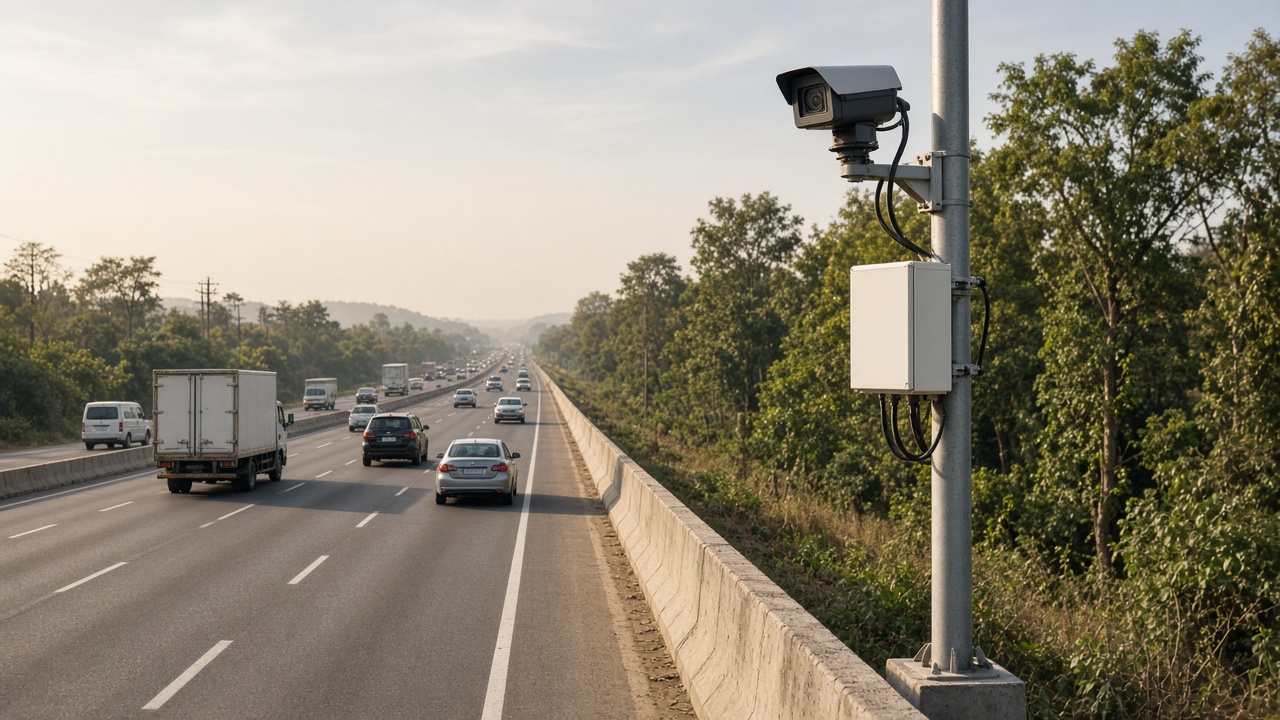
Kallakurichi–Salem highway AI traffic surveillance corridor

From Roadside Video to Automated Traffic Enforcement Workflows

Mountain Lamp Technologies implemented its TruSight AI-powered traffic surveillance platform across critical locations on the Kallakurichi–Salem highway corridor.

The deployment consists of 10 traffic surveillance cameras positioned at identified critical locations, with the primary objective of detecting defined traffic violations, generating supporting evidence and integrating violation events with the e-Challan system.

The project demonstrates how AI-powered video analytics can create a connected workflow from:

Violation Detection → Evidence → e-Challan
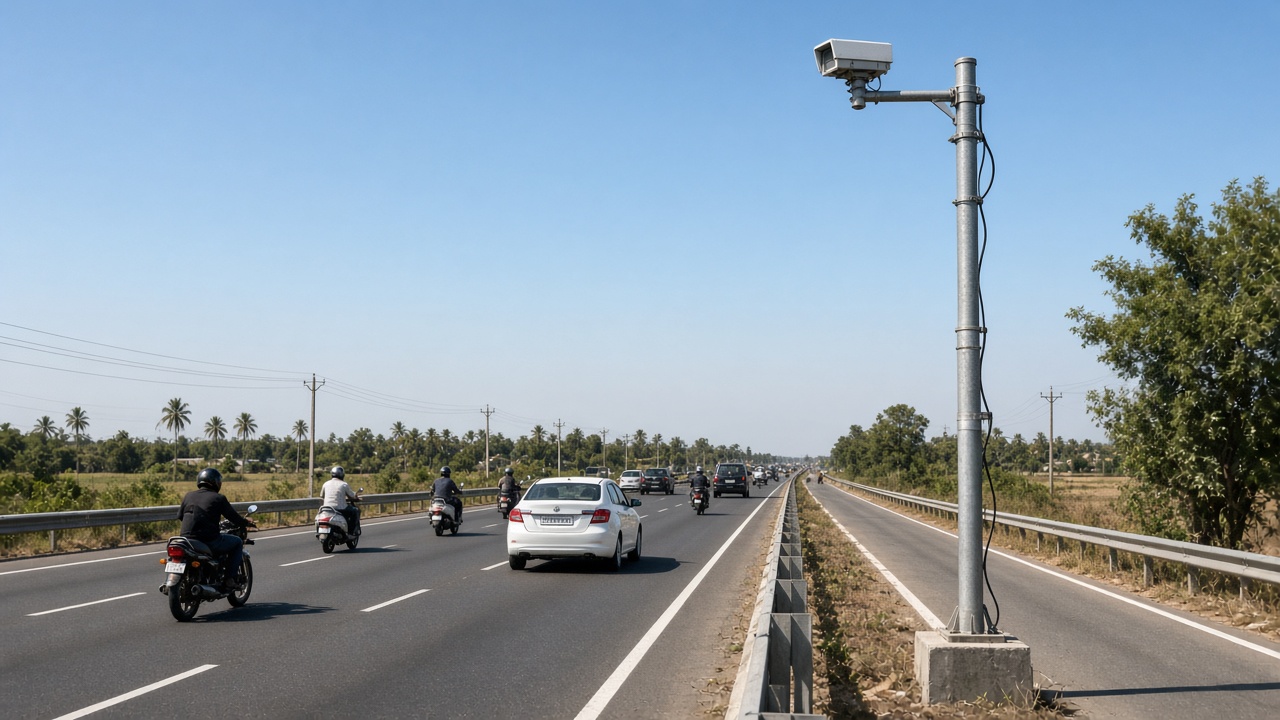
Highway ANPR cameras on Kallakurichi–Salem

Project at a Glance

A focused highway deployment designed to detect violations, identify vehicles and feed structured events into an e-Challan workflow.

Deployment snapshot
ProjectAI Traffic Violation Detection & e-Challan Integration
LocationKallakurichi–Salem Highway, Tamil Nadu
PlatformTruSight
Cameras10 Cameras
DeploymentCritical Traffic Locations
Primary ObjectiveTraffic Violation Detection
AI TechnologyComputer Vision & Video Analytics
Vehicle IntelligenceVehicle / Number Plate Identification
Enforcement Workflowe-Challan Integration
MonitoringCentralized Monitoring
ApplicationHighway Traffic Enforcement
Project highlights
0
Critical locations
0
Surveillance cameras
AI
Violation detection
ANPR
Vehicle identification
API
e-Challan integration
1
Connected workflow
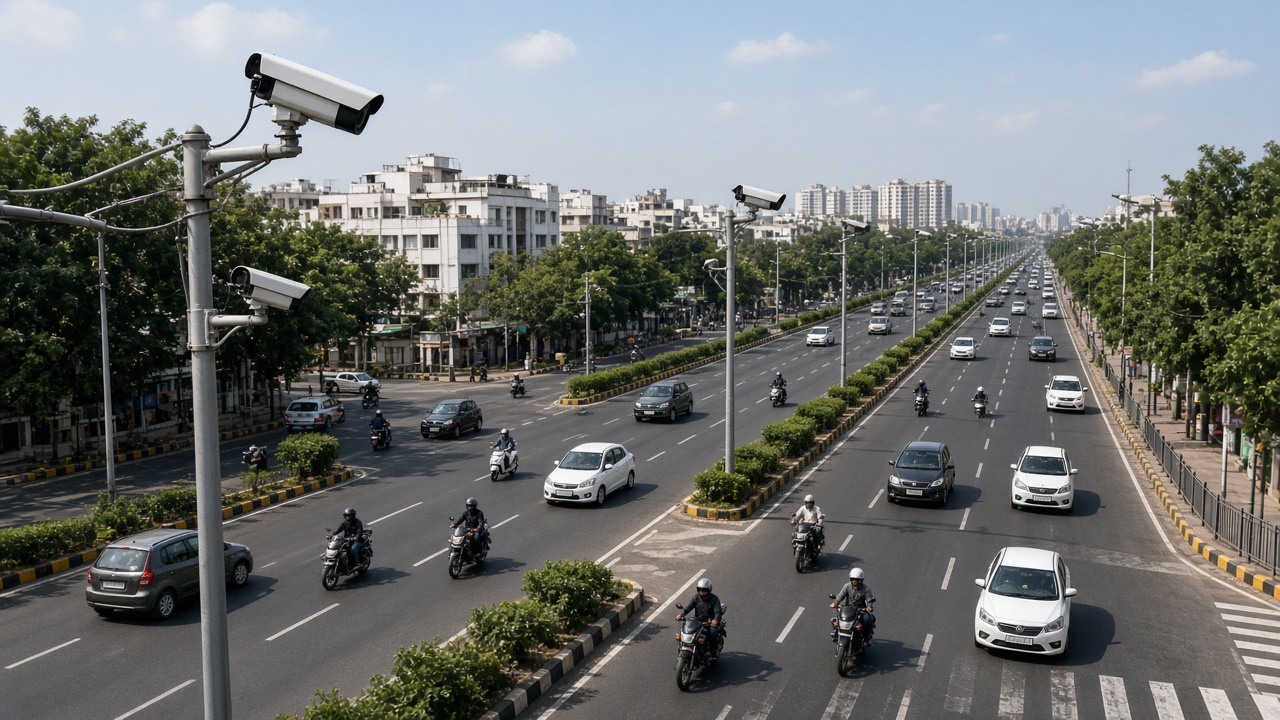
ANPR plate evidence for traffic violations

The Challenge: Improving Traffic Enforcement Across a Highway Corridor

Highway environments present a different challenge from city intersections. Vehicles travel at higher speeds, traffic conditions can change rapidly, and violations may occur across long stretches of road.

Conventional CCTV provides valuable evidence, but identifying every violation manually can be difficult. The objective was not simply to record highway traffic—it was to create a system that could help identify violations and move them into an enforcement workflow.
What needed to change
Manual spottingHard to catch every event
Higher speedsHighway traffic moves fast
Disconnected processVideo ≠ enforcement
Weak traceabilityEvidence hard to assemble
What the system needed to do
Monitor locationsCritical highway points
Detect violationsConfigured AI use cases
Identify vehiclesANPR where configured
Capture evidenceImages + event context
Structure eventsDigital violation records
Connect e-ChallanAPI enforcement handoff
Highway traffic enforcement analytics

The Objective: Detect. Document. Enforce.

The Kallakurichi–Salem highway deployment was designed around four key objectives—creating an AI-enabled traffic violation detection system with a clear path into enforcement.

Four core objectives
1
DetectAI finds configured violations
2
IdentifyLink event to the vehicle
3
DocumentCapture review-ready evidence
4
Integratee-Challan API handoff

DETECT → IDENTIFY → DOCUMENT → e-CHALLAN

The Solution: TruSight AI Traffic Enforcement Platform

Mountain Lamp Technologies deployed TruSight as the intelligent video analytics and traffic enforcement layer—connecting cameras at critical highway locations to AI analytics and a centralized monitoring environment.

High-level workflow
Highway traffic → camera → video streamCritical location capture
TruSight AIVehicle + violation detection
ANPR / vehicle identificationEvent creation + evidence
Validation → e-Challan API → enforcementAuthorized workflow handoff

10-Camera Deployment at Critical Locations

Rather than attempting indiscriminate coverage of the entire highway, the deployment focuses surveillance on identified locations where monitoring and enforcement requirements are particularly relevant.

This approach concentrates AI analytics and enforcement workflows where they can provide operational value—creating a focused traffic enforcement network rather than simply a large collection of cameras.

Why critical location monitoring?
Traffic volumeHigh-activity stretches
Accident-proneHigher-risk segments
JunctionsComplex road points
Violation patternsKnown enforcement need
Road geometryViews that fit AI
InfrastructurePractical deploy sites

AI-Based Traffic Violation Detection

TruSight applies computer vision and AI analytics to identify configured traffic violations. A violation is not merely detected visually—it becomes a structured digital event.

Configured analytics (scope dependent)
Helmet violationTwo-wheeler compliance
Triple ridingRider-count detection
Seat beltWhere views allow
Vehicle identityPassage + recognition
Other violationsAuthority-approved cases
Digital eventsStructured records

ANPR, Vehicle Identification & Evidence Capture

For enforcement workflows, identifying the vehicle associated with an event is critical. Where ANPR is configured, TruSight can detect and process registration plates—creating a direct connection between the observed traffic event and the vehicle involved.

Each event can associate supporting evidence such as vehicle image, number plate image, violation frame, date/time, location and camera information so authorized personnel can review before the event proceeds.

From vehicle to evidence package
1
VehicleIn camera view
2
PlateANPR capture
3
IdentityRegistration link
4
ViolationConfigured event
5
EvidenceImages + context
6
Workflowe-Challan path
What a digital violation event can include
RegistrationPlate / vehicle ID
ImagesVehicle + plate frames
Violation typeConfigured category
Date & timeEvent timestamps
LocationCamera / site context

e-Challan Integration & API Connectivity

One of the defining characteristics of this deployment is integrating TruSight with the e-Challan system. Instead of operating as an isolated camera analytics stack, the traffic violation event can connect to the downstream enforcement workflow through an API.

The exact challan generation, validation and issuance process remains subject to the authorization, business rules and workflow defined by the concerned authority.

Conceptual e-Challan workflow
1
CameraHighway capture
2
AIViolation detect
3
IdentifyVehicle / ANPR
4
EvidenceEvent package
5
ValidateAuthorized review
6
APIe-Challan handoff
7
EnforceAuthority workflow
Why API integration matters
Systems talkAI output reaches action systems
Less manual transferFewer disconnected steps
Traceable chainDetection → enforcement path
ExpandableAdd locations & analytics

The Complete Enforcement Workflow

The solution can be understood as a digital chain from road to enforcement—AI-assisted, with human-authorized oversight.

Seven connected stages
1
ObserveCamera capture
2
DetectAI violation
3
IdentifyVehicle / plate
4
DocumentEvidence pack
5
ValidateAuthorized review
6
Integratee-Challan API
7
EnforceAuthority process
AI efficiency + human oversight
AI providesDetection + evidence context
People authorizeReview per procedures
TraceableEvidence-oriented process
AccountableAuthority-defined rules

Centralized Monitoring & Event-Driven Operations

Although cameras are distributed across highway locations, traffic events come together in a centralized monitoring environment—live feeds, AI events, violations, vehicle information, evidence images, timestamps, location context, system status and historical records.

This shifts the operating model from continuous watching to event-first attention.

Traditional model
  1. 10 cameras
  2. 10 video feeds
  3. Continuous monitoring
  4. Manual detection
TruSight model
  1. 10 cameras
  2. AI analysis
  3. Violation + vehicle ID
  4. Evidence → e-Challan path

Before & After

The Kallakurichi–Salem deployment illustrates the shift from manual surveillance to connected enforcement.

Before — Manual surveillance
  1. Traffic
  2. CCTV
  3. Video recording
  4. Manual monitoring
  5. Manual identification
  6. Manual enforcement process
After — Connected enforcement
  1. Traffic
  2. AI camera
  3. AI video analytics
  4. Violation + vehicle ID
  5. Evidence + validation
  6. e-Challan integration
From surveillance to enforcement
1
SeeTraditional CCTV
2
UnderstandAI traffic surveillance
3
ActAI-enabled enforcement

Operational Benefits

What the deployment enables
Automated detectionConfigured violations
Vehicle identificationANPR where configured
Evidence generationImages + event data
Faster workflowAPI system handoff
Central monitoringMulti-site events
Scalable architectureAdd sites & analytics
Highway-specific challenges addressed
Higher speedsCapture designed for highway pace
Variable densityDay / peak conditions
Lighting variationSun, shadow, night, glare
Mixed fleetsCars, bikes, buses, trucks
Road geometryPlacement fits the stretch

Implementation Approach

A highway AI surveillance project needs coordinated planning across locations, cameras, AI use cases and enforcement integration.

Ten delivery stages
1
AssessCritical locations
2
DefineViolation use cases
3
CamerasPosition for AI
4
DeployInfra & network
5
ConfigureTraffic analytics
6
ANPRVehicle identity
7
Integratee-Challan API
8
TestLive conditions
9
ValidateDetect → handoff
10
OperateGo live
Camera placement principle
Approach & lanesDirection + coverage
Height & angleUsable capture geometry
Plate visibilityANPR readiness
Speed & lightingDay / night performance
One systemCamera + AI together

Key principle: the right camera position enables the right AI analytics.

Lessons From the Project

Designing AI for real traffic environments
Focus critical sitesTargeted enforcement coverage
Cameras follow use casesPosition for the violation
Connect detection to actionEvents need a workflow
Evidence mattersSupport authorized review
Integration is criticalAvoid isolated AI silos
Build for expansionMore sites & analytics later

Conclusion: From Violation Detection to e-Challan

The Kallakurichi–Salem highway deployment demonstrates how AI-powered video analytics can be integrated into a traffic enforcement workflow.

With 10 cameras positioned across critical locations, TruSight provides an intelligent layer for traffic violation detection, vehicle identification and evidence generation. Integration with e-Challan creates a digital connection between what happens on the road and the enforcement system.

The result is a shift from Camera → Recording to Camera → AI → Violation → Evidence → e-Challan—the foundation of an intelligent, connected traffic enforcement ecosystem.

Planning an AI-based traffic enforcement or ITMS project?

From highway violation detection to city-wide traffic surveillance, Mountain Lamp Technologies can help design and implement an intelligent traffic monitoring architecture that connects cameras, AI analytics, vehicle identification, evidence and enforcement workflows.

Back to all case studies
Get in touch

Ready to plan a highway enforcement or ITMS project?

Share a few details about your highway corridor, violation detection or e-Challan integration needs and we’ll help design the right TruSight architecture.

No pitch decks. Just a hello — we’ll take it from there.