Outcome · Make Faster Decisions

Turn Real-Time Data Into Actionable Intelligence

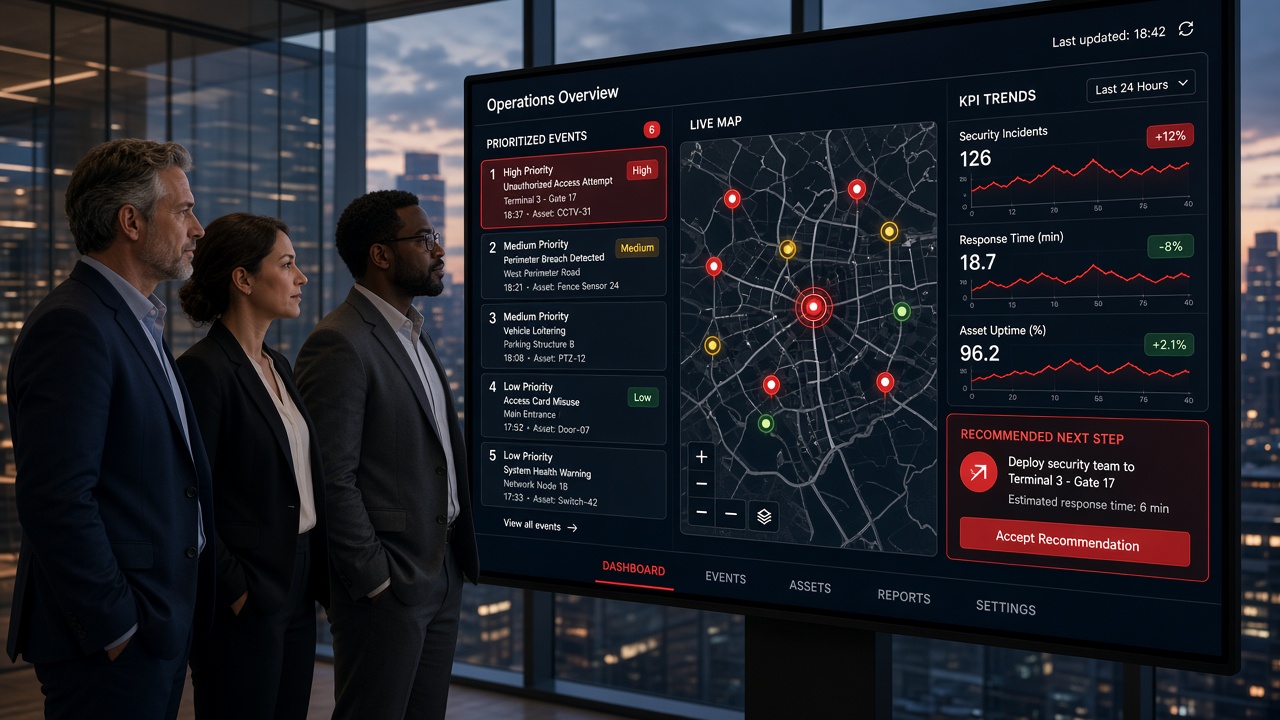
MLT brings together real-time data, events, analytics and dashboards so people can understand what is happening sooner and decide how to respond, with the decision staying in human hands.

Decision Outcome Data · Events · Analytics · Dashboards 6 min read
Operations leaders reviewing prioritized events, a live map, KPI trends and a recommended next step on a large display

Turn Real-Time Data Into Actionable Intelligence

The ultimate value of AI, IoT and connected systems is not the technology itself. It is the ability to help people understand what is happening and respond appropriately.

Mountain Lamp Technologies brings together real-time data, events, analytics and dashboards to support operational decision-making.

Decisions at a glance
OutcomeMake Faster Decisions
InputsCameras, Sensors & Applications
PlatformsDhurgAI · TruSight · iSenzoT · H2O360
Operating ModelData → Detection → Context → Intelligence → Alert → Decision
OutputsEvents, Alerts, Analytics & Dashboards
UsersOperators, Managers & Decision-Makers
Role of AIDecision Support, Not Autonomous Decisions
Decision highlights
0
Stages from data to decision
0
Worked examples
0
Data sources
Real-time
Events & data
Context
Where, when, what
Human
Final decisions

From Data to Decision

Each stage answers a question, turning raw signals into information someone can act on.
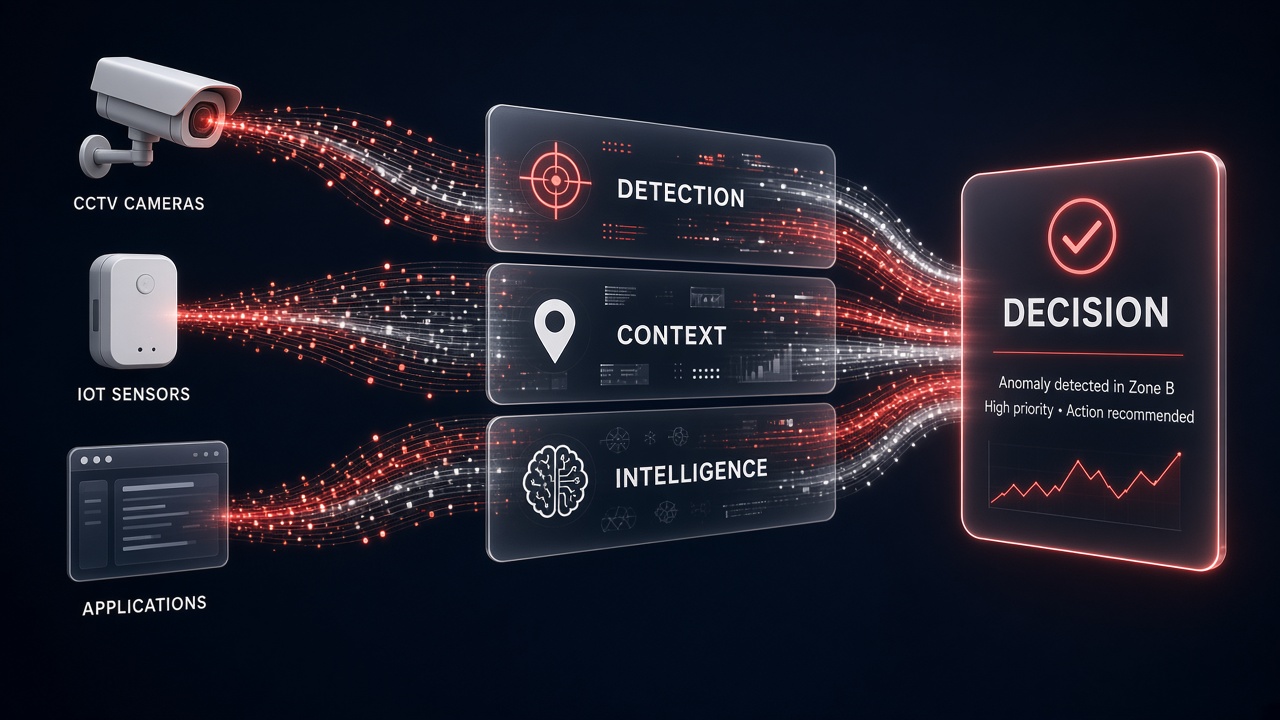
Data streams from cameras, IoT sensors and applications passing through detection, context and intelligence layers into a decision
Cameras, sensors and applications flow through detection, context and intelligence toward a decision
Six stages, six questions
DataCameras, sensors, applications
DetectionWhat is happening?
ContextWhere? When? What asset? What event?
IntelligenceWhat does it mean?
AlertDoes someone need to know?
DecisionWhat should happen next?
Before — Raw data
  1. Many screens & separate systems
  2. Events noticed late or missed
  3. Context gathered manually
  4. Decisions delayed
After — Actionable intelligence
  1. Events detected automatically
  2. Context attached: where, when, what
  3. Meaning surfaced through analytics
  4. Alerts to the right people
  5. Faster, informed human decisions

Examples

Across sectors, the pattern is the same: replace continuous manual checking with events and data that reach the right person sooner.

Where it applies
Traffic OperationsEvents instead of watching dozens of cameras
Water InfrastructureAlerts instead of checking every tank
ManufacturingEvents instead of periodic observation
EnterpriseDashboards instead of manual consolidation

Traffic Operations

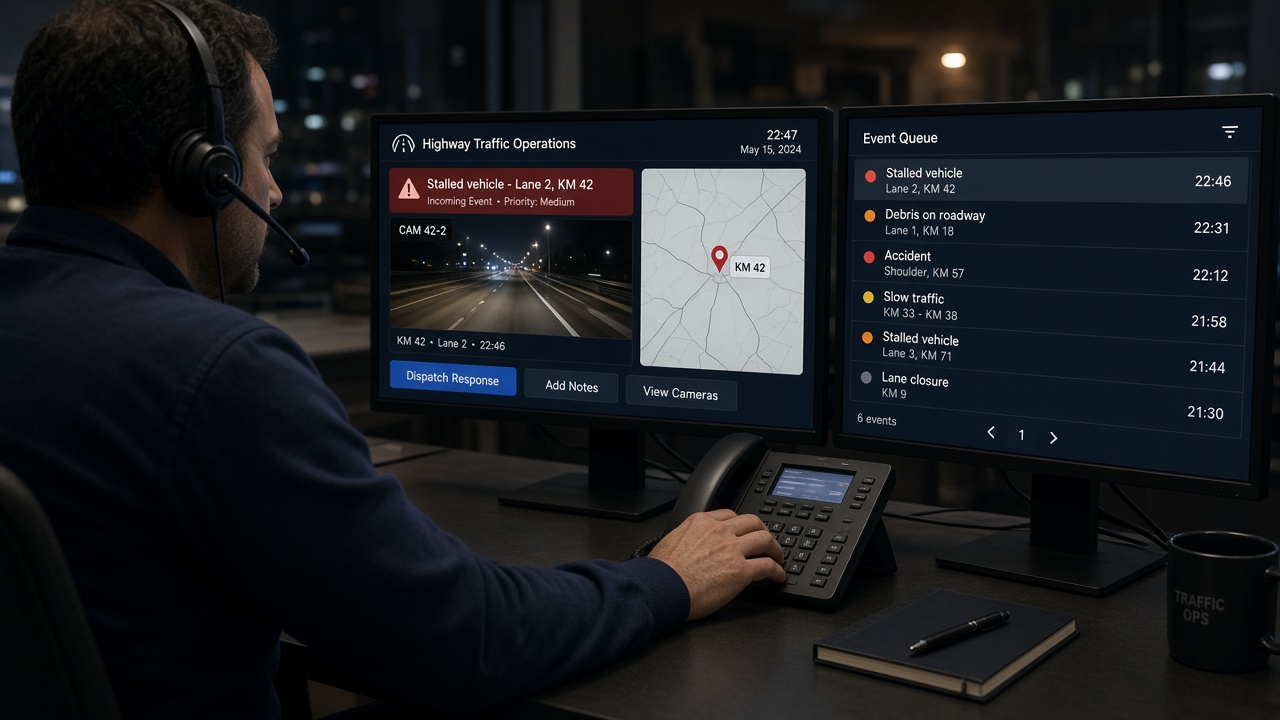
Instead of watching dozens of cameras continuously, AI identifies configured traffic events, the operator receives the event, reviews it, and a response follows.
1
AI DetectionConfigured traffic events
2
EventSent to operator
3
ReviewOperator verifies
4
ResponseAction follows
Highway operator with a headset reviewing a stalled vehicle event with camera clip, map and event queue
Traffic operations: the operator acts on an event instead of scanning every feed

Water Infrastructure

Instead of manually checking every distributed tank, sensors send water-level data to a centralized dashboard, and a threshold alert prompts an operational response.

1
SensorsDistributed tanks
2
Level DataContinuous readings
3
DashboardCentralized view
4
Threshold AlertLevel out of range
5
ResponseField team acts
Field engineer near an overhead water tank reading a low-level threshold alert on a smartphone
Water infrastructure: a threshold alert reaches the field engineer directly

Manufacturing

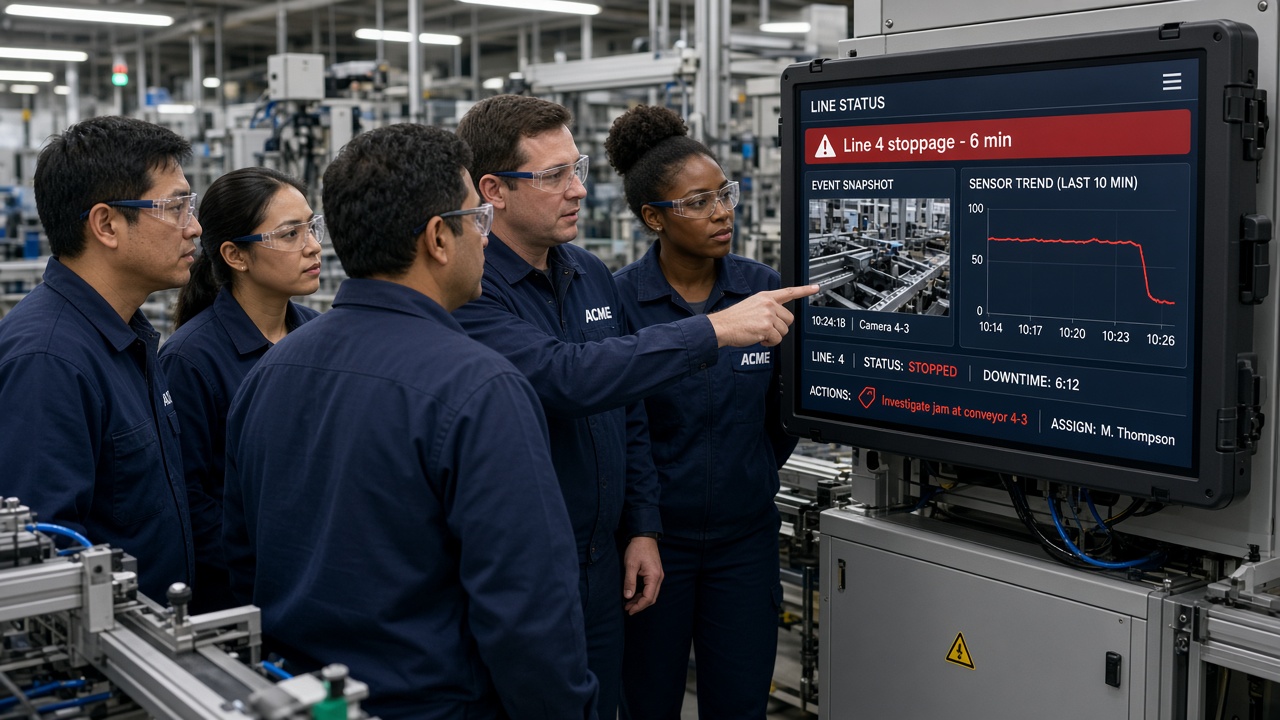
Instead of relying entirely on periodic observation, video and sensors raise operational events on a dashboard so the responsible team can take action.
1
Video / SensorsLine monitoring
2
EventOperational event
3
DashboardShared visibility
4
TeamResponsible owner
5
ActionIssue resolved
Manufacturing team at a line-side screen showing a line stoppage event, camera snapshot and sensor trend
Manufacturing: a line stoppage event drives a quick team decision

Enterprise

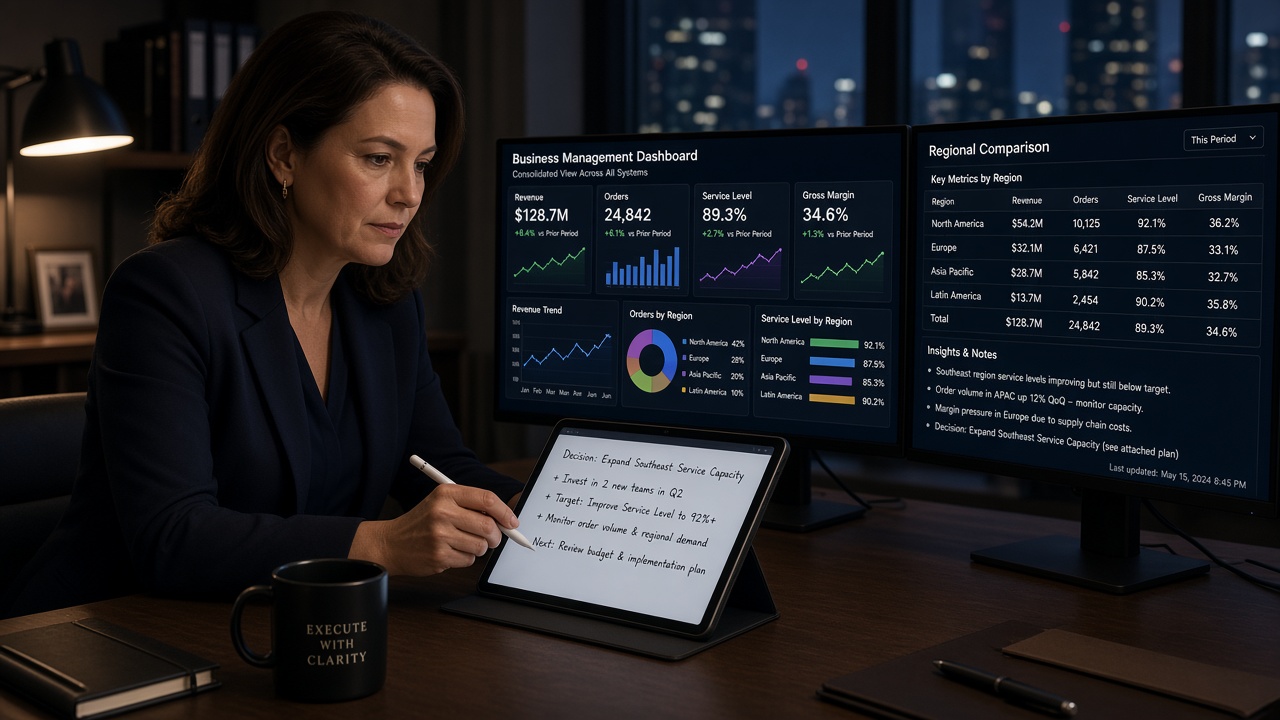
Instead of manually consolidating operational information, business systems feed data into analytics and a management dashboard that supports decisions.
1
Business SystemsERP, CRM & more
2
DataConsolidated
3
AnalyticsTrends & comparisons
4
DashboardManagement view
5
DecisionLeaders decide
Executive reviewing a consolidated management dashboard and noting a decision on a tablet
Enterprise: consolidated analytics support a management decision

Intelligence Does Not Mean Autonomous Decision-Making

MLT's technology is designed to provide information, alerts, analytics and decision support.

What the system does, and who decides
May identify an eventDetection
May calculate a valueAnalytics
May generate an alertNotification
People decideResponsibility stays human

But the appropriate person or organization remains responsible for deciding what action should be taken, particularly in safety-critical, healthcare, security and enforcement environments.
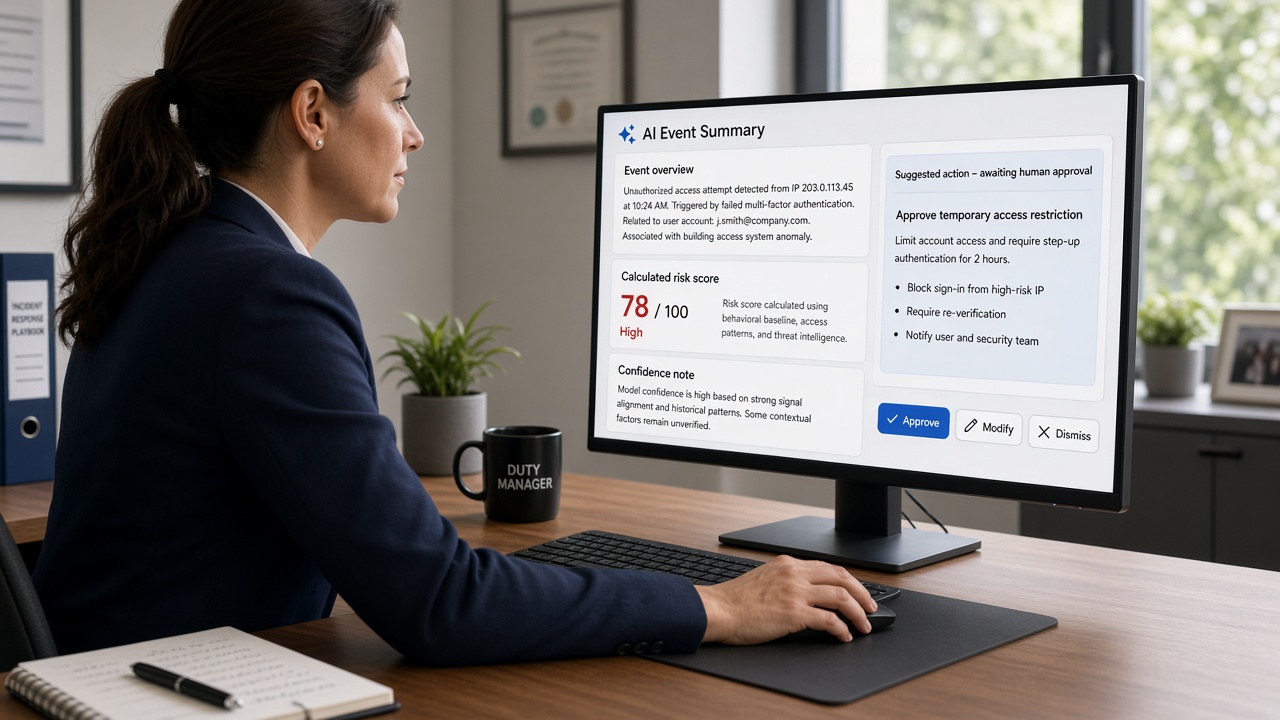
Duty manager reviewing an AI event summary with a suggested action awaiting human approval
Human-in-the-loop: the system suggests, a responsible person decides

This human-in-the-loop approach is consistent with the broader principle of responsible AI governance: NIST's AI Risk Management Framework encourages organizations to consider trustworthy AI characteristics throughout design, development, deployment and evaluation.

Trustworthy AI across the lifecycle
1
DesignClear purpose
2
DevelopmentTested for the use case
3
DeploymentHuman oversight
4
EvaluationOngoing review

Decisions, Informed by Intelligence

By connecting real-time data, events, analytics and dashboards, MLT helps operators, managers and decision-makers understand what is happening sooner, while keeping the responsibility for action with the right people.

From Camera. To Intelligence. To Informed Decisions.

Planning decision-support intelligence?

Whether you need event-driven traffic operations, threshold alerts for distributed assets, operational dashboards for production teams or management analytics, the right data flows and alert design are critical.

Back to all outcomes
Get in touch

Ready to turn your data into decisions?

Share a few details about your operations, data sources and the decisions your teams make every day, and we’ll help design the right decision-support approach.

No pitch decks. Just a hello — we’ll take it from there.