Outcome · Increase Operational Efficiency

Automate Monitoring. Reduce Repetitive Observation. Improve Operational Visibility.

AI video analytics, IoT monitoring and automated reporting that take on repetitive observation and make operational information available sooner, while people stay responsible for decisions and actions.

Efficiency Outcome DhurgAI · iSenzoT 6 min read
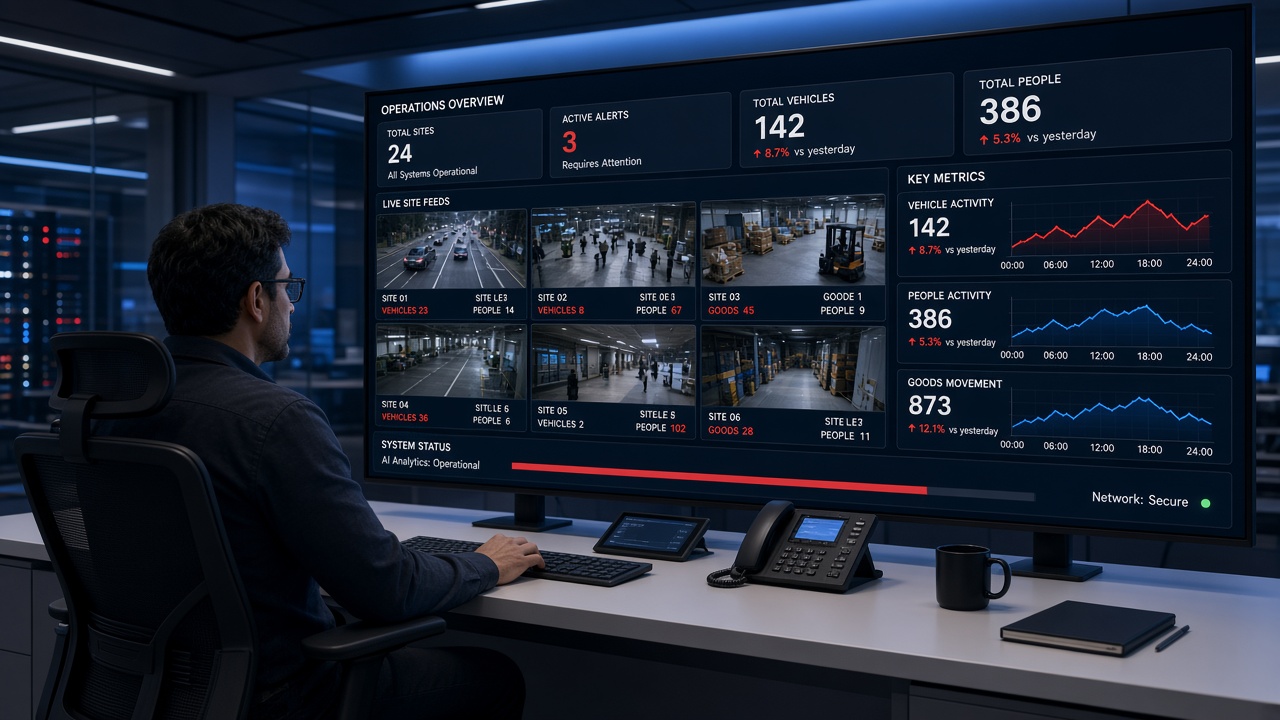
Operator overseeing an automated operations dashboard with AI vehicle, people and goods counts across sites

Automate Monitoring. Improve Operational Visibility.

Many organizations spend significant time monitoring cameras, checking operational conditions, reviewing events and manually collecting information.

The objective of intelligent automation is not simply to automate for the sake of automation. It is to reduce repetitive monitoring effort and make operational information available sooner.
Efficiency at a glance
OutcomeIncrease Operational Efficiency
TechnologyAI Video Analytics + IoT Monitoring
PlatformsDhurgAI · iSenzoT
Operating ModelMonitor → Detect → Structure → Alert → Act
InputsCameras, Sensors & Devices
OutputsCounts, Alerts, Dashboards & Reports
Role of AIAutomates Repetitive Monitoring
Efficiency highlights
0
Automatable monitoring tasks
0
Application sectors
0
Step intelligent workflow
24/7
Continuous monitoring
Auto
Routine reports
Human
Decisions & actions
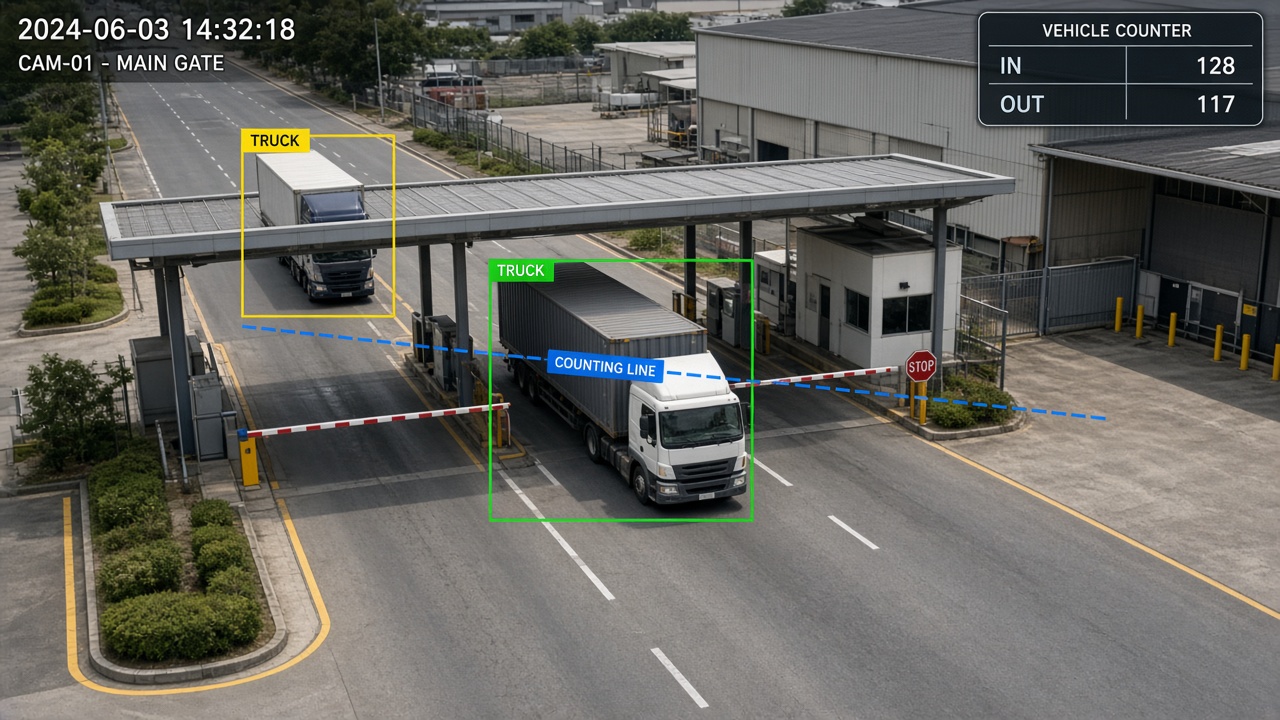
Logistics yard gate camera counting trucks in and out with a virtual counting line
Vehicle counting at a gate replaces manual tallies with live in/out data

MLT Can Help Automate

Depending on camera placement, sensors and configuration, MLT can take on a range of repetitive monitoring and reporting tasks.
Automatable monitoring tasks
Video monitoringContinuous camera coverage
Vehicle countingGates, yards & roads
People countingFootfall & flow
OccupancySpace utilisation
Queue monitoringLength & wait time
Entry / exitIn and out movements
Process monitoringLine & stage status
Goods countingItems, cartons & pallets
Asset monitoringLocation & status
Device monitoringHealth & uptime
EnvironmentTemperature, air & more
Operational alertsExceptions flagged
Routine reportsGenerated automatically
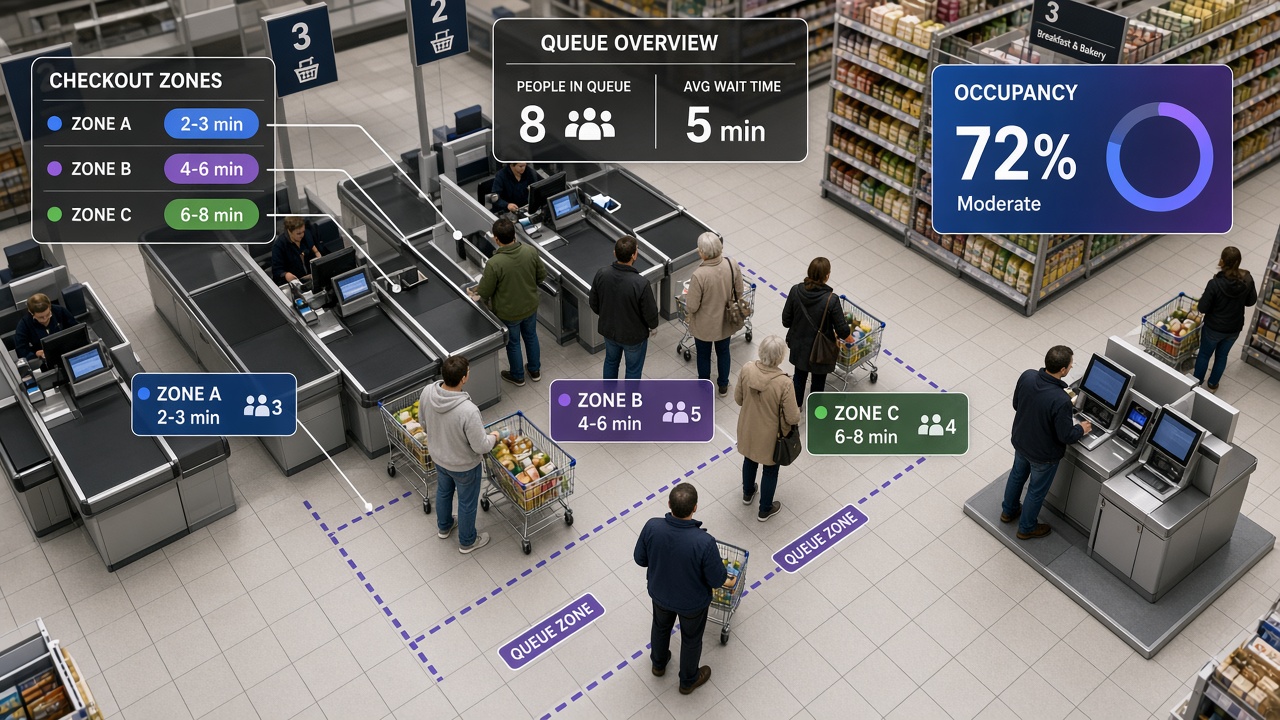
Supermarket checkout camera showing queue zones, wait times and store occupancy
Queue and occupancy monitoring help teams open counters before lines build up

From Traditional to Intelligent Workflow

Automation changes who does the watching. The system takes on continuous observation and structuring of information, so people can focus on what to do about it.

The traditional workflow
1
ObservePeople watch
2
IdentifySpot conditions
3
RecordManual logs
4
ReportCompiled later
5
RespondAfter the delay
The intelligent workflow
1
MonitorCameras & sensors
2
DetectAI & rules
3
StructureData, counts, events
4
AlertRight people notified
5
ActPeople decide

This allows people to spend less time performing repetitive observation and more time handling exceptions, decisions and operational tasks.

Before — Manual monitoring
  1. Staff watch screens & walk sites
  2. Counts kept by hand
  3. Information compiled at shift end
  4. Issues surface late
After — Intelligent automation
  1. Continuous automated monitoring
  2. Counts & events captured as data
  3. Live dashboards & routine reports
  4. Alerts on exceptions
  5. People focus on decisions

Example: Manufacturing

Cameras over production and operational areas feed AI that detects configured events and turns them into operational visibility.
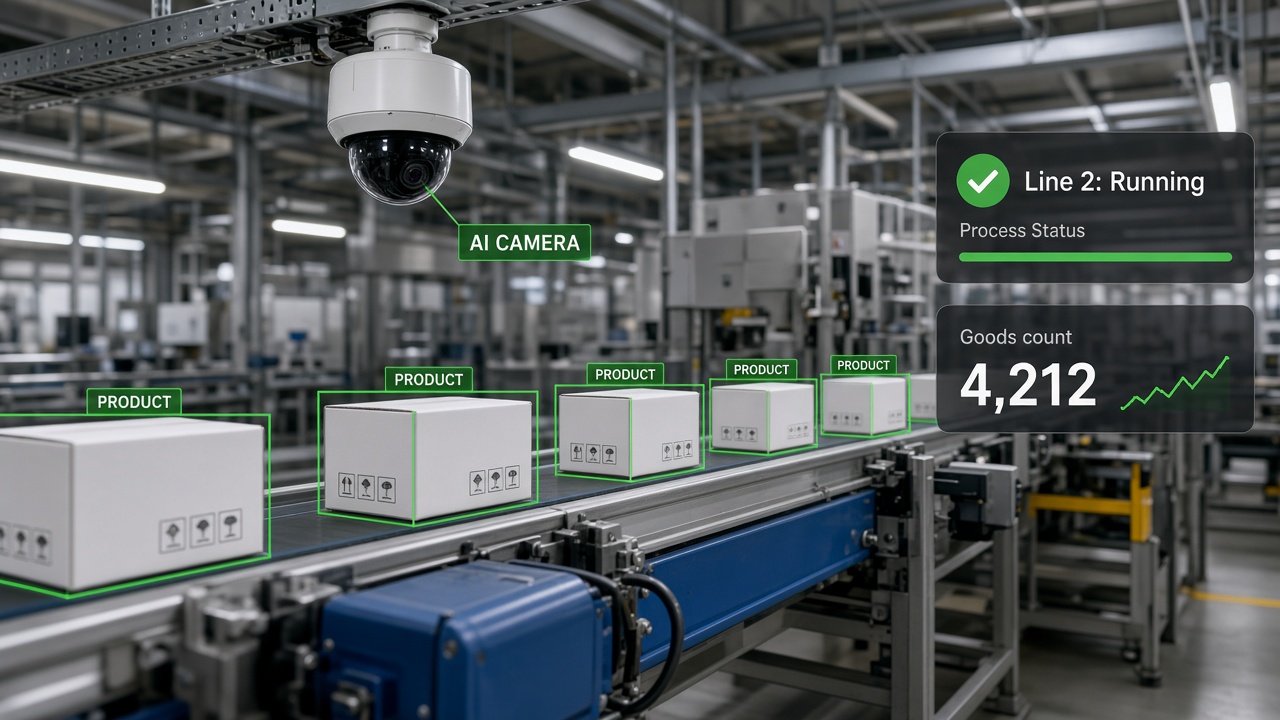
AI camera over a conveyor tracking and counting products with line status
Production line: automated goods counting and process status
Manufacturing flow
CamerasMonitor production and operational areas
AIDetect configured events
DashboardProvide operational visibility
PersonnelTake appropriate action

Example: IoT

Sensors collect data continuously; iSenzoT applies rules and analytics and raises alerts when readings need attention.
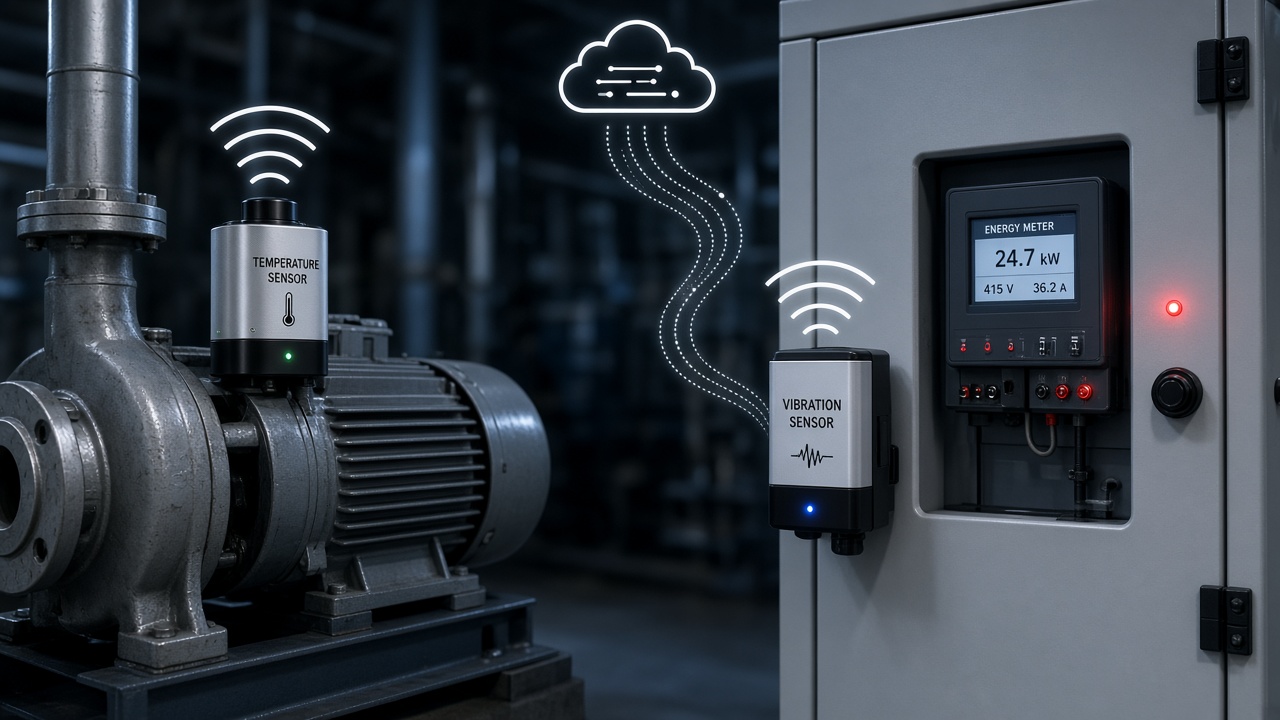
Temperature, vibration and energy sensors on a pump and electrical panel sending data to the cloud
Connected sensors replace manual meter readings and equipment rounds
IoT flow
SensorsContinuous data collection
iSenzoTRules and analytics
AlertThreshold or condition met
Operator responsePeople review and act

Applications

Automation is configured around the repetitive monitoring tasks that consume the most time in each environment.

Where it applies
ManufacturingLines, processes & goods
WarehousingDocks, stock & movement
LogisticsYards, gates & fleets
RetailFootfall, queues & occupancy
Commercial BuildingsOccupancy & utilities
Traffic OperationsCounts, flow & incidents
Smart InfrastructureDistributed assets
HealthcareEquipment & environments

Warehousing & Logistics

Track dock activity, goods movement and idle time, and receive routine shift reports without manual compilation.
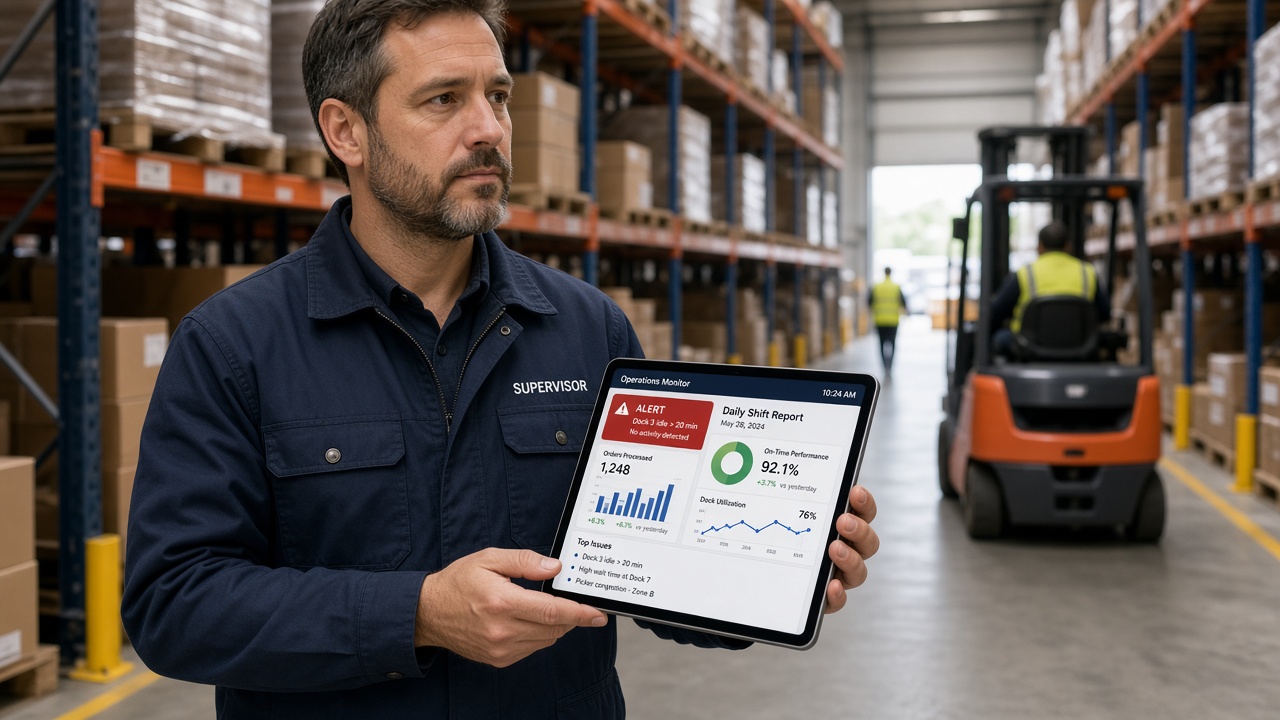
Warehouse supervisor viewing a dock idle alert and an automated daily shift report on a tablet
Warehousing: operational alerts and automated shift reports

Commercial Buildings

Monitor entries, exits and floor occupancy to plan staffing, cleaning and building services around actual usage.
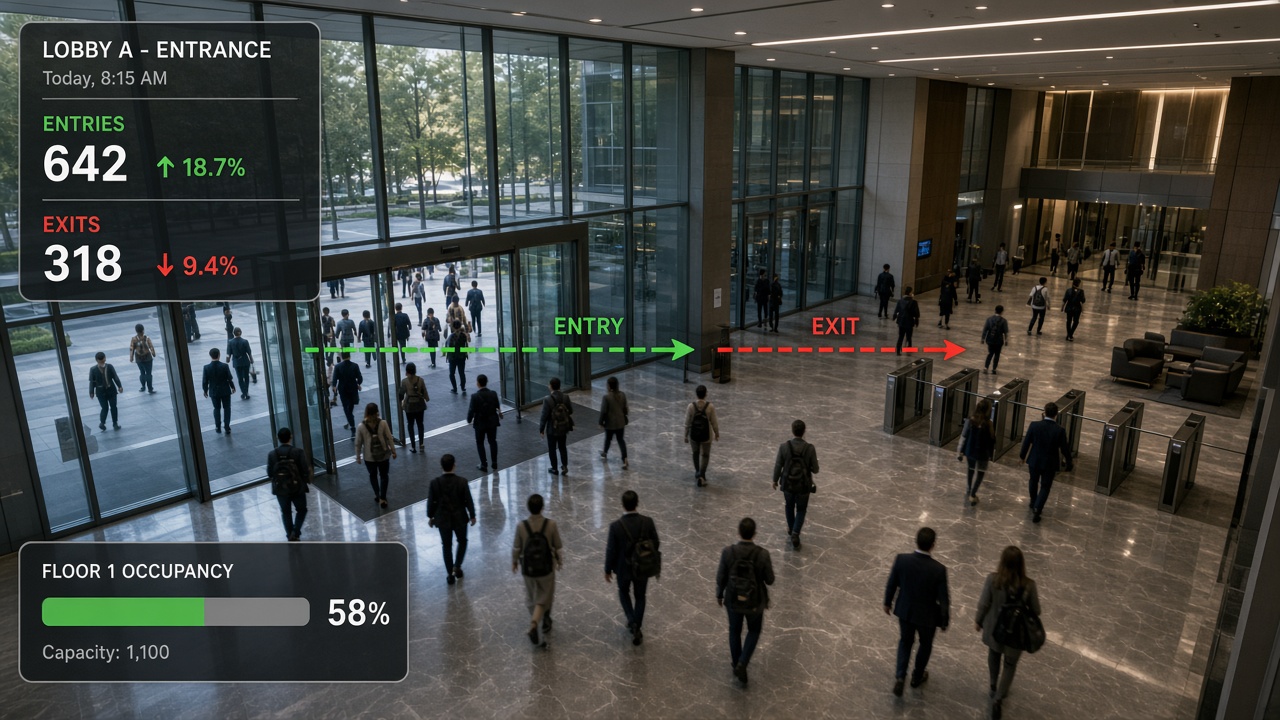
Office lobby camera counting entries and exits with a floor occupancy gauge
Commercial buildings: entry/exit counts and live occupancy

Responsible Automation

MLT does not claim that “AI eliminates manual work.” Instead, AI can automate repetitive monitoring tasks while keeping people responsible for decisions and actions.

Counting, detection and alert accuracy depend on camera placement, lighting, sensor calibration and the specific use case, which is why automated outputs are designed to support, not replace, the judgement of operational teams.

Automation principles
Purpose-drivenAutomate where it saves effort
Information soonerLive, structured data
Transparent outputsReviewable counts & events
People decideHumans own actions

Efficiency, Powered by Intelligence

By automating repetitive monitoring with AI video analytics and IoT, MLT helps organizations see operational conditions sooner and free their teams to focus on exceptions, decisions and improvement.

From Camera. To Intelligence. To Efficient Operations.

Planning intelligent automation?

Whether you need vehicle and people counting, queue and occupancy monitoring, process visibility or sensor-based alerts and routine reports, the right mix of cameras, sensors and workflows is critical.

Back to all outcomes
Get in touch

Ready to automate repetitive monitoring?

Share a few details about your operations, the tasks your team monitors manually and your existing cameras or sensors, and we’ll help design the right automation approach.

No pitch decks. Just a hello — we’ll take it from there.