Enterprise applications, mobile solutions and integrated digital systems designed to solve real operational challenges.
Mountain Lamp Technologies builds and integrates business applications that connect people, processes, data and technology into a unified digital environment.
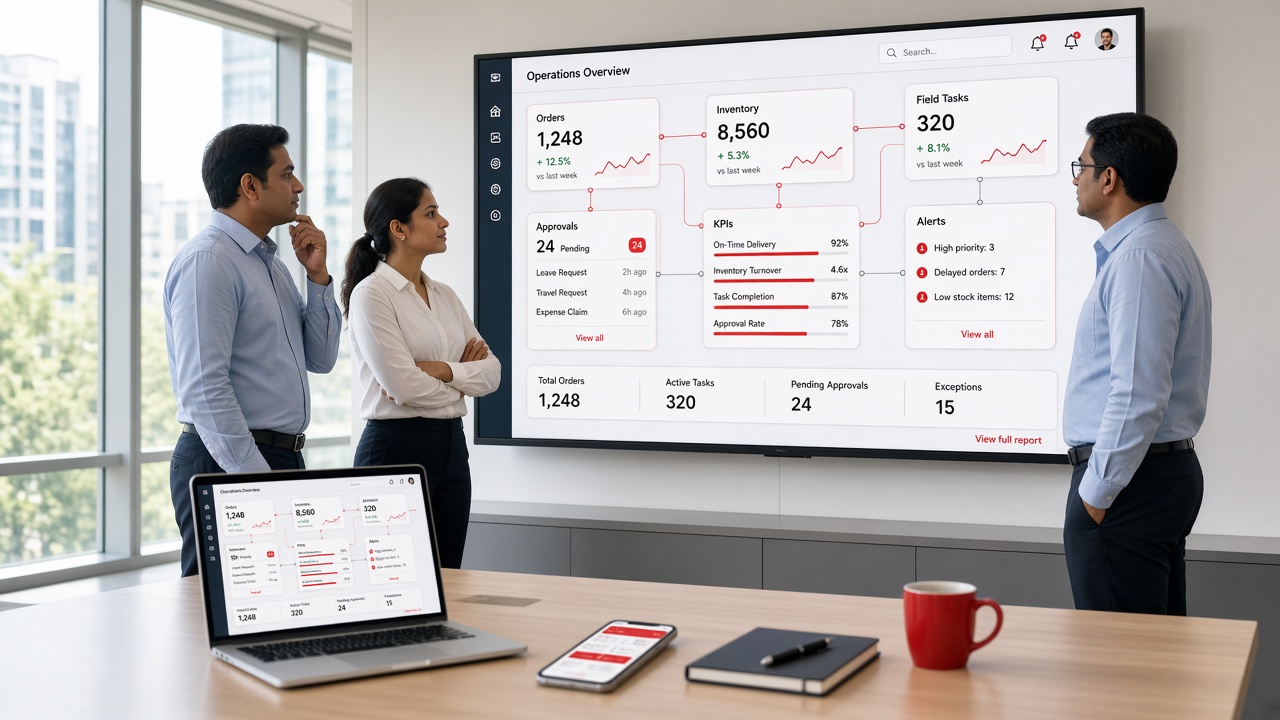
Enterprise Technology at a glance
Solution AreaEnterprise Technology
What We BuildWeb Applications · Mobile Apps · Portals · Dashboards
What We ConnectAPIs · Enterprise Systems · Devices · Data
Most organizations don’t need another standalone application.
They need technology that works with the way their business actually operates.
MLT helps organizations:
What MLT helps you do
Digitize Manual ProcessesPaper & spreadsheets to apps
Build Business-Critical ApplicationsDesigned around your operations
Connect Disconnected SystemsShare data across tools
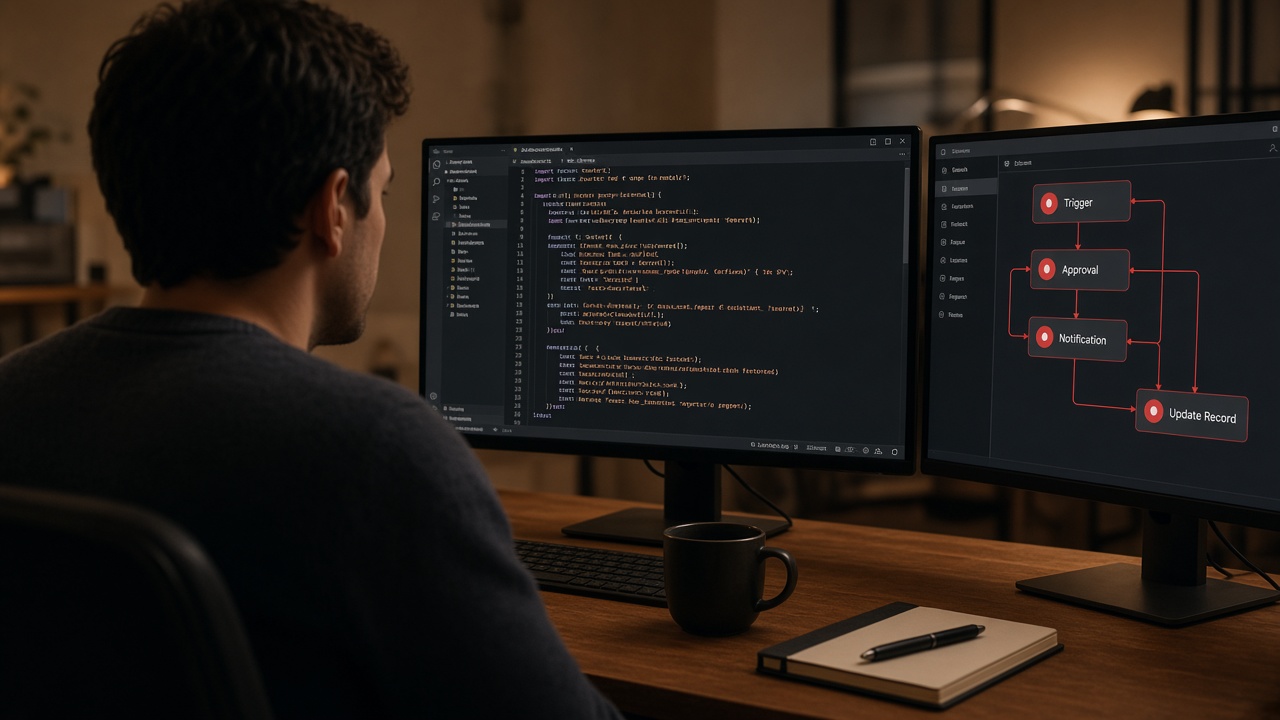
Automate Repetitive WorkflowsLess manual effort
Mobile Apps for Distributed TeamsWork from the field
Integrate APIs & Enterprise SystemsReliable data exchange
Centralize Operational InformationOne source of truth
Create Custom Digital PlatformsPurpose-built solutions
Scalable TechnologyFrom requirement to platform
Our Approach
1
Business RequirementWhat must change
2
Digital ArchitectureHow it fits together
3
ApplicationWhat users work in
4
IntegrationWhat it connects to
5
AutomationWhat runs itself
6
IntelligenceWhat the data reveals
From Disconnected Systems to Connected Operations
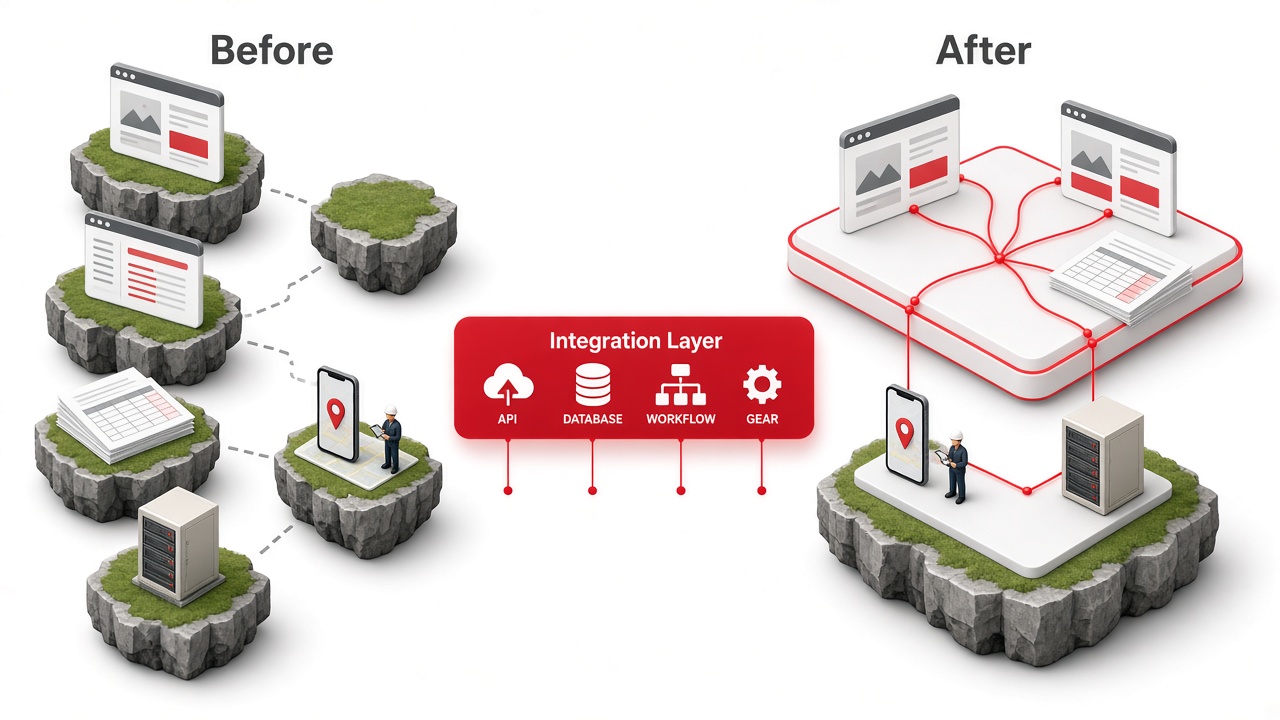
In many organizations, applications, spreadsheets, mobile teams and legacy systems each hold part of the picture, but none of them talk to each other. MLT adds an integration layer that brings them together.
Before and after integration
Before · all operating independently
Application AIsolated data
Application BIsolated data
Excel / ManualRe-keyed by hand
Mobile TeamUpdates by phone
Legacy SystemHard to access
↓
MLT Integration LayerAPIs + Data + Workflow + Automation
↓
After
One Connected Operational EnvironmentShared data, connected workflows and a single operational view
Disconnected tools become one connected operational environment through an integration layer
This is the difference between simply developing software and connecting and digitizing operations.
Our Enterprise Technology Architecture
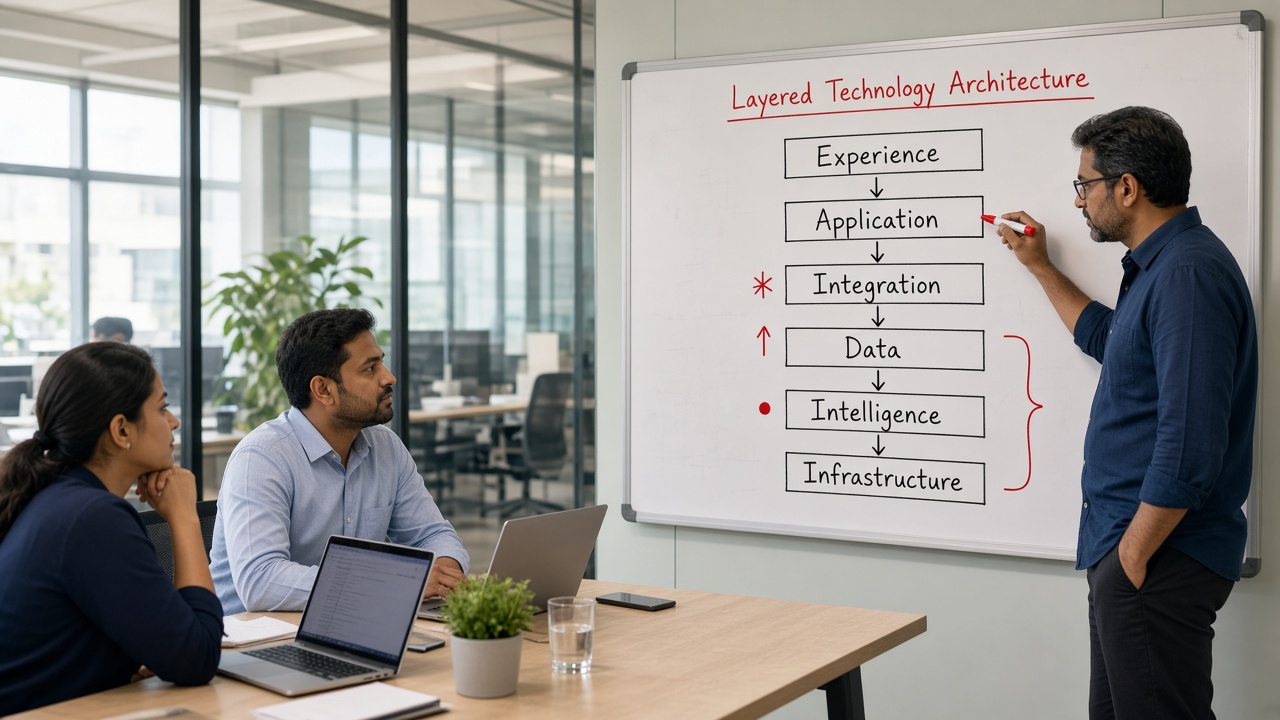
Rather than a generic development lifecycle, MLT designs solutions as a layered technology stack, where each layer has a clear role:
Six layers, one solution
Experience LayerWeb applications · Mobile applications · Dashboards · Portals
↓
Application LayerBusiness logic · Workflows · Rules · User management
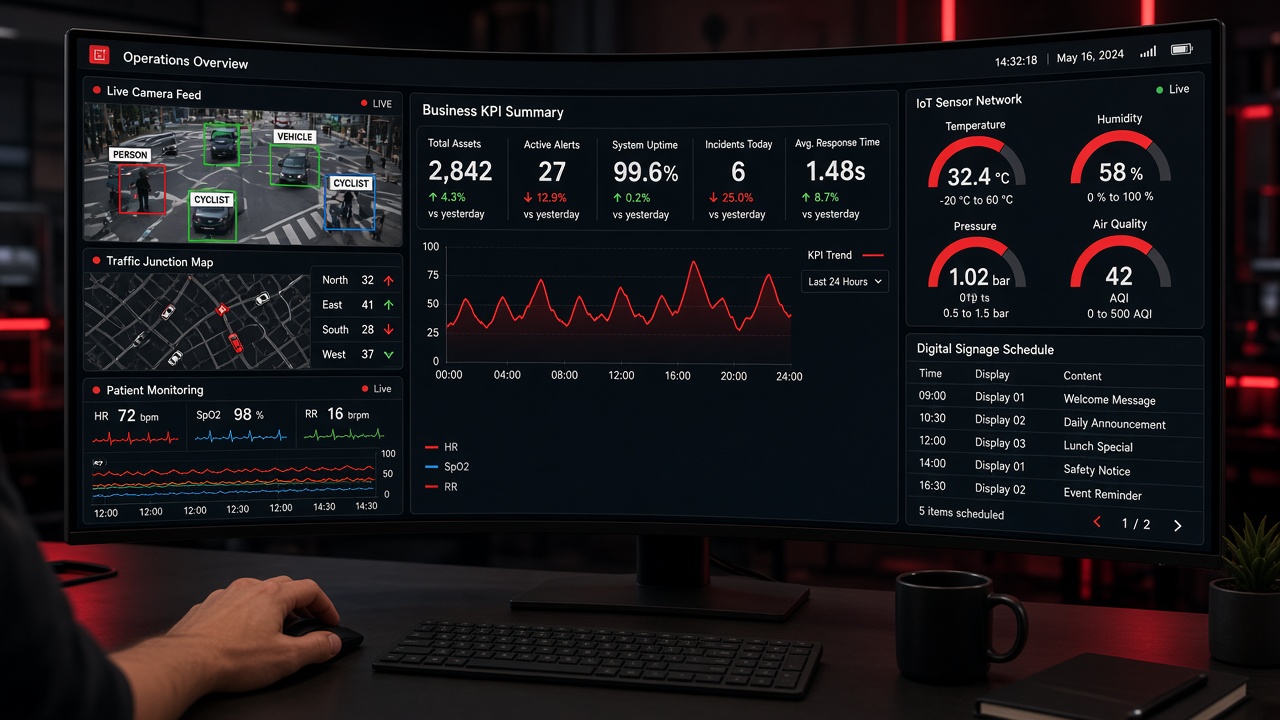
One enterprise view combining video, traffic, IoT, patient monitoring, signage and business data
This allows MLT to build solutions that combine enterprise software + AI + IoT + video + operational data, going well beyond conventional application development.
Enterprise Applications Built Around Real Workflows
Generic software asks your teams to adapt to it. MLT starts from how your organization actually works, and answers seven questions before building anything:
1
UnderstandWho uses the system?
2
MapWhat is the existing workflow?
3
DigitizeWhich activities should become digital?
4
IntegrateWhat existing systems need to exchange information?
5
AutomateWhich repetitive activities can be handled automatically?
6
MeasureWhat information should management see?
7
ImproveWhat can be optimized using data and intelligence?
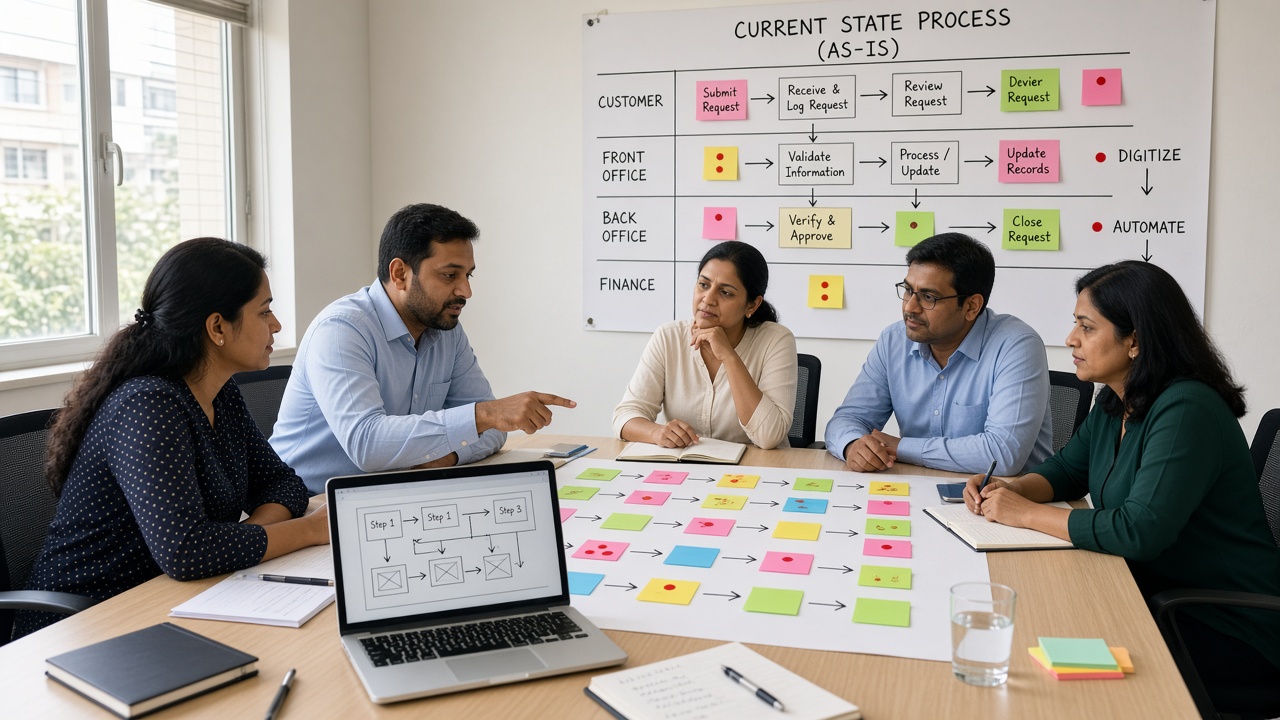
Workflow mapping: the current process is understood before deciding what to digitize and automate
Examples of Enterprise Applications
MLT’s own products show its ability to build domain-specific enterprise software across very different operations:
The same engineering capability behind these products can be applied to your organization’s specific requirements.
Enterprise Technology for Different Teams
Who it serves
ManagementCentralized dashboards, reports and operational visibility
OperationsDigital workflows, task management and process automation
Field TeamsMobile applications for real-time data capture and execution
IT TeamsAPIs, integrations, role-based access and centralized systems
Customers & PartnersPortals, mobile applications and digital interaction channels
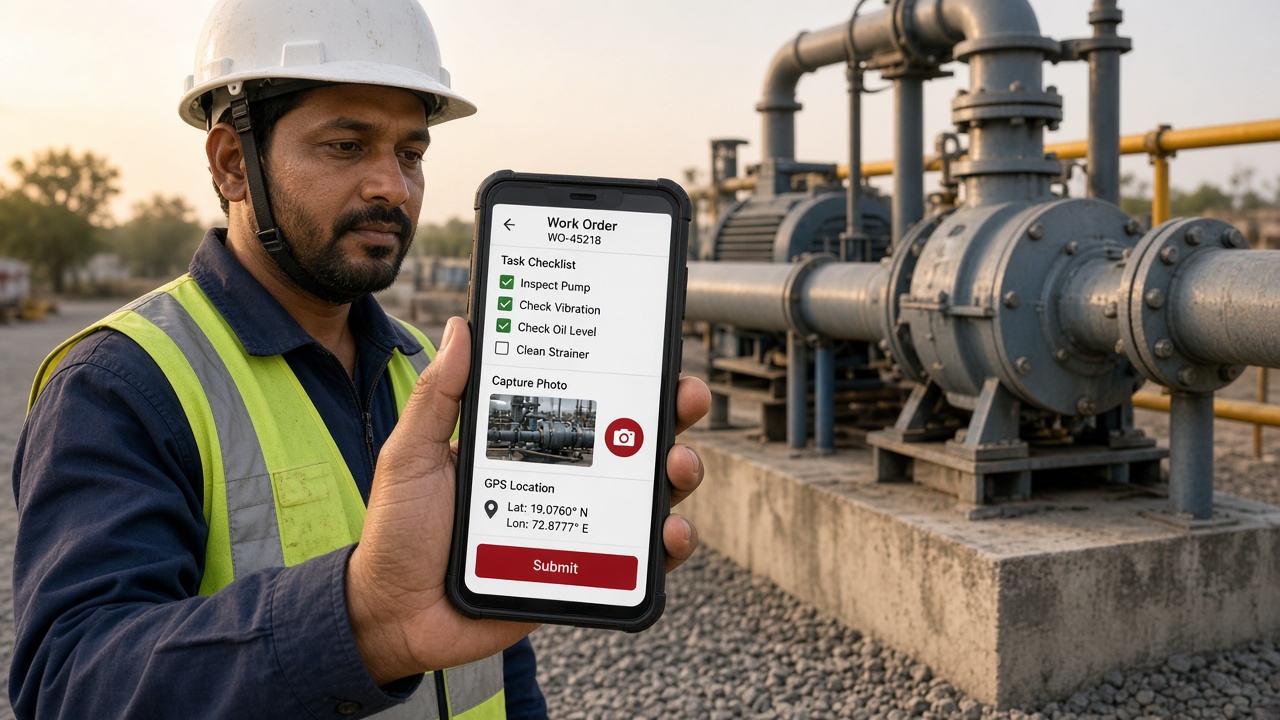
Field teams: work orders, checklists, photos and location captured on a mobile app in real time
AI-Enabled Enterprise Applications
MLT’s enterprise applications are built with the same AI capability that powers its video and IoT platforms, so intelligence can become part of everyday business software.
Traditional enterprise application
Input
Process
Output
AI-enabled application
Input
Data
AI / Analytics
Insight
Workflow
Action
AI can be incorporated where appropriate for functions such as:
Where AI can help
Document ProcessingExtract fields from documents
Data ClassificationSort & tag automatically
Intelligent SearchFind by meaning
SummarizationCondense long content
Pattern IdentificationSpot trends & anomalies
Predictive AnalyticsAnticipate outcomes
Recommendation WorkflowsSuggest next actions
Natural-Language InterfacesAsk in plain language
Operational IntelligenceInsight across operations
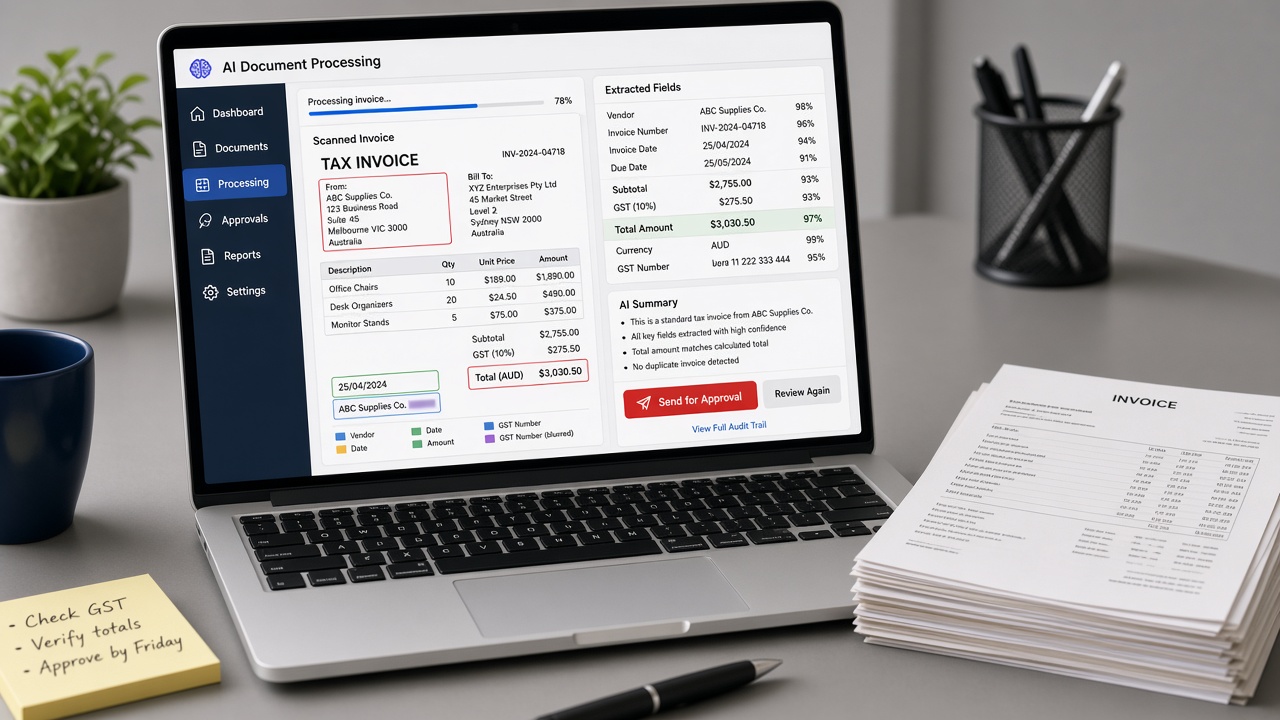
AI document processing: fields extracted, summarized and routed into an approval workflow
The exact AI capability always depends on the application and the data available.
Integration With Physical-World Systems
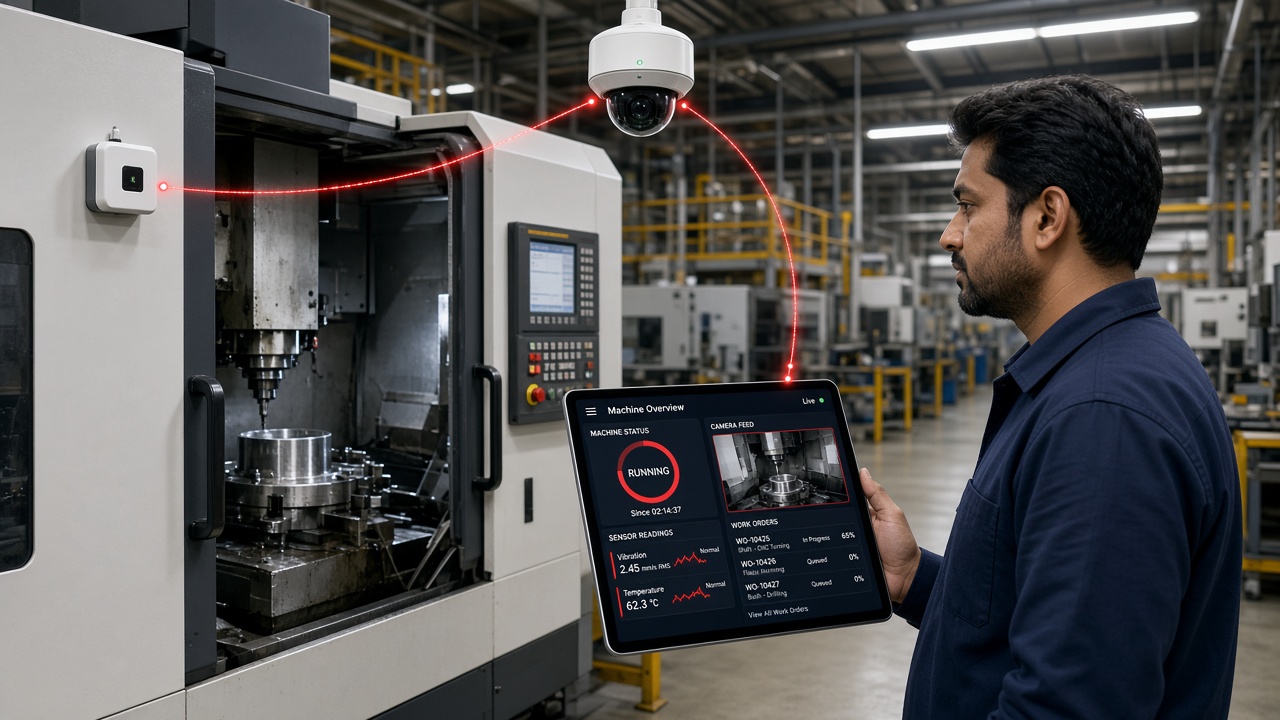
With its background in video, IoT and traffic platforms, MLT builds enterprise applications that don’t have to work only with databases. They can connect with:
What your application can connect to
CamerasVideo & AI events
IoT SensorsLive readings
MachinesStatus & output
Mobile DevicesField data capture
Enterprise ApplicationsExisting business software
External APIsThird-party services
Operational SystemsSite & plant systems
MLT Integration LayerConnecting them all
Physical-world integration: machine sensors and cameras feeding the same enterprise app as work orders
We build software that can connect the digital enterprise with the physical world.
Security & Access
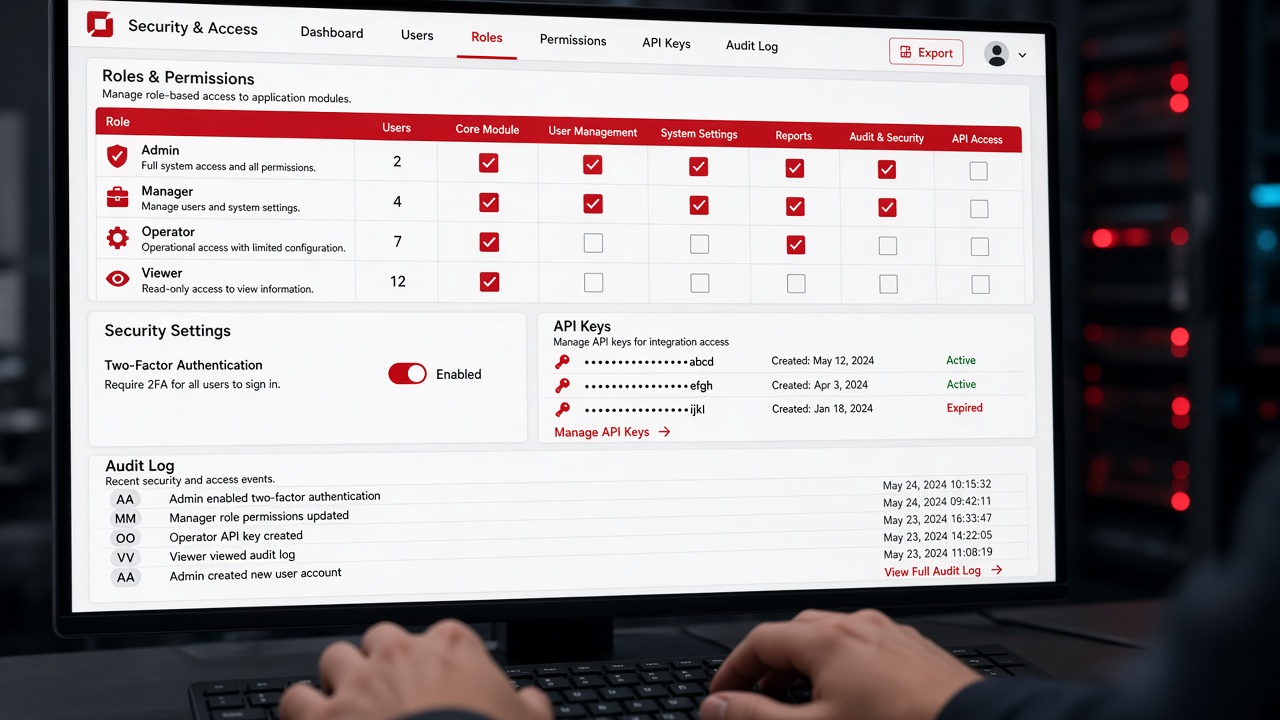
Enterprise applications need controlled access to information and functionality. Depending on the application, MLT solutions can incorporate:
Security & access capabilities
Role-Based AccessRight people, right data
User AuthenticationVerified sign-in
Permission ManagementGranular controls
API AuthenticationSecured integrations
Secure Data AccessProtected information
Audit InformationWho did what, when
Controlled IntegrationsDefined data exchange
Application MonitoringHealth & activity
Security & access: roles, permissions, authentication, API keys and audit logs managed in one console
MLT defines each solution’s security architecture according to the application’s business, infrastructure and compliance requirements, rather than applying one-size-fits-all claims.
Technology Stack
MLT selects technologies by category, according to what each application needs:
Technology categories
FrontendWeb applications and responsive interfaces
MobileAndroid, iOS and cross-platform applications
BackendAPI-driven application architecture
DatabaseStructured and application-specific data platforms
CloudCloud-based infrastructure and deployment
AI & AnalyticsPython, AI/ML and analytics technologies where required
IoTDevice, sensor and messaging integrations
IntegrationAPIs, third-party systems and enterprise integrations
Our Enterprise Technology Process
01
DiscoverBusiness, users, existing systems & operational requirements
02
ArchitectApplication architecture, data flows, integrations & components
Does MLT provide custom enterprise application development?
Yes. MLT can design and develop applications around specific business processes, users, workflows and integration requirements.
Can MLT develop both web and mobile applications?
Yes. Web applications and mobile applications can be developed as standalone solutions or as connected components of a larger enterprise platform.
Can MLT integrate existing software?
Yes. Where suitable interfaces and integration mechanisms are available, applications can be connected through APIs and integration layers.
Can MLT modernize an existing application?
Yes. Existing applications can be assessed and evolved through modernization, redesign, integration or redevelopment depending on the technical and business requirements.
Can enterprise applications use AI?
Yes. AI and analytics can be incorporated where they provide a meaningful role in the application, for example intelligent search, summarization, classification, prediction or operational intelligence.
Can enterprise applications connect with IoT and video systems?
Yes. MLT’s technology ecosystem allows enterprise applications to potentially interact with IoT, video analytics and other operational platforms through appropriate APIs and integration architectures.
Have a Business Process That Technology Could Transform?
Tell us what your teams are doing manually, what systems aren’t talking to each other, or where your current software falls short.
We’ll help turn the requirement into a technology architecture.
Build · Integrate · Automate
Share your requirement and our technology team will help you shape it into an application, integration and automation plan.
Have a business process that technology could transform?
Tell us what your teams do manually, which systems aren’t talking to each other, or where your current software falls short, and we’ll help turn it into a technology architecture.