IoT & Smart Infrastructure: Connect the Physical World. Turn Data Into Intelligence.
IoT and smart infrastructure solutions that connect sensors, devices, equipment and infrastructure to real-time monitoring, analytics, alerts and intelligent workflows.
Solution Area Sensors · Connectivity · Platform · Intelligence · Action 12 min read
Connect the Physical World. Turn Data Into Intelligence.
IoT and smart infrastructure solutions that connect sensors, devices, equipment and infrastructure to real-time monitoring, analytics, alerts and intelligent workflows.
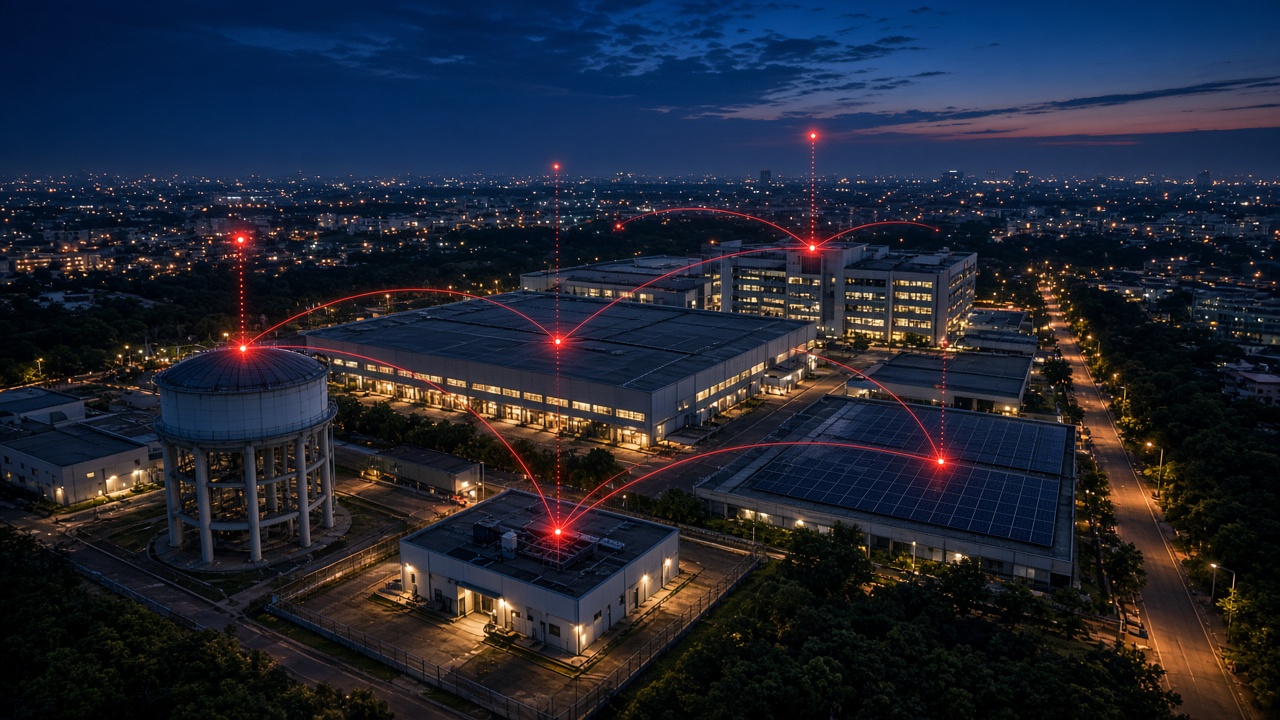
From a single facility to distributed infrastructure, Mountain Lamp Technologies helps organizations transform physical assets into connected, measurable and manageable systems.
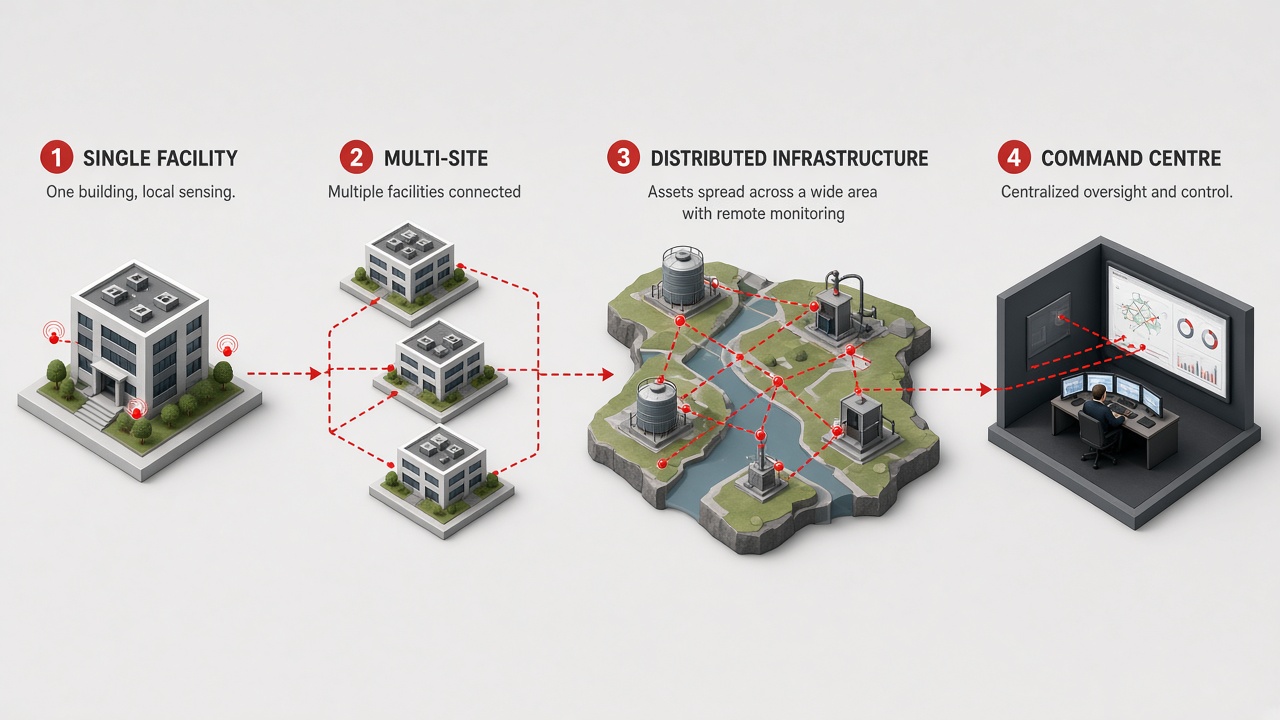
ScaleSingle Facility · Multi-Site · Distributed Infrastructure · Command Centre
ApproachHardware-Agnostic · End-to-End · AI-Ready
Solution highlights
0
Layers in the MLT IoT technology stack
0
Industries where IoT creates value
End-to-End
From device connectivity to applications
From Physical Assets to Digital Intelligence
Buildings, machines, water systems, environmental sensors, energy meters and other physical assets continuously generate information.
The challenge is turning that information into something useful. MLT connects the physical layer with the digital layer:
1
Sensors & DevicesThe physical layer
2
ConnectivityGetting data out
3
DataCollected & organized
4
IntelligenceUnderstood
5
AlertsWhen it matters
6
ActionWhat happens next
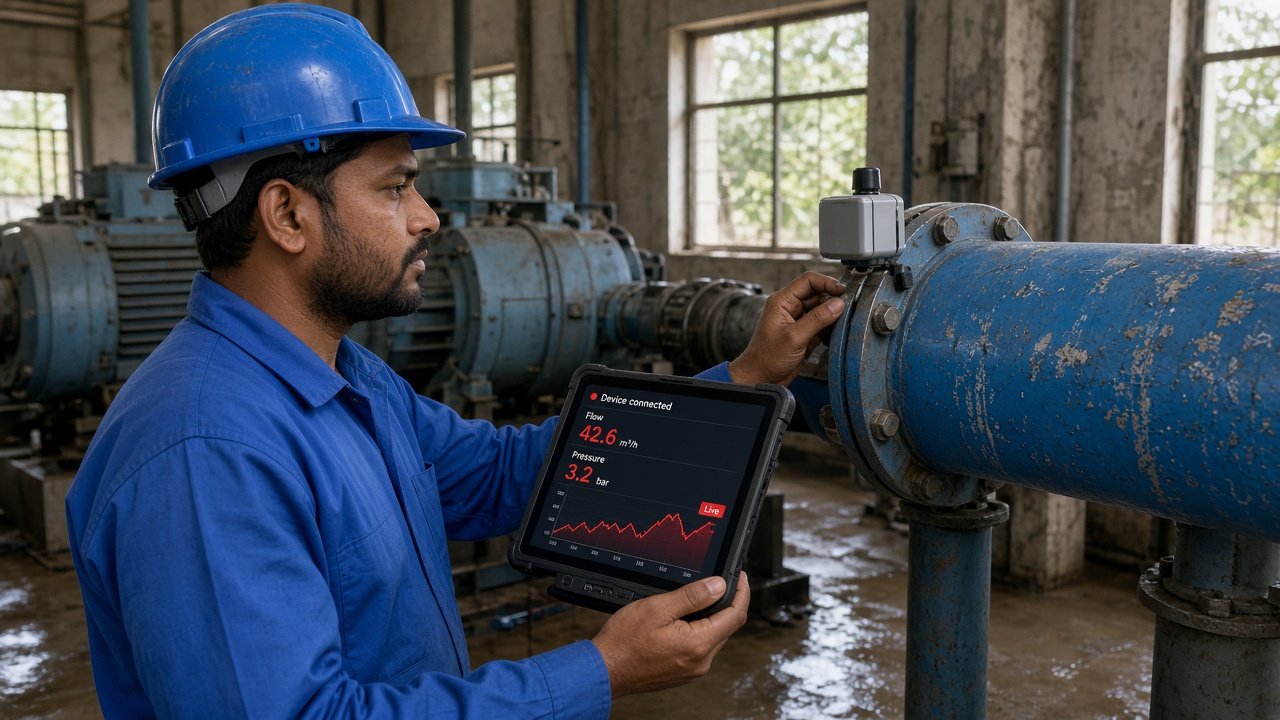
The physical layer goes digital: a new sensor comes online with live flow and pressure readings
Our IoT solutions help organizations:
What IoT makes possible
Monitor in Real TimePhysical assets, as they operate
Capture DataSensor and equipment data
Identify Abnormal ConditionsBefore they escalate
Automate AlertsAlerts and notifications
Track ParametersOperational parameters
Analyse TrendsHistorical trends
Improve VisibilityAcross distributed locations
Integrate IoT DataWith business applications
Build Command CentresCentralized monitoring
What Does IoT & Smart Infrastructure Mean?
IoT & Smart Infrastructure combines connected sensors, devices, communication networks, software platforms and data intelligence to create continuously monitored physical environments.
Instead of relying entirely on manual inspection or periodic readings, organizations can establish a continuous digital view of their infrastructure. MLT’s approach combines:
Six steps
SenseCapture information from sensors, meters, machines and connected devices.
ConnectTransmit information securely through appropriate connectivity and communication technologies.
ProcessReceive, validate, process and organize incoming data.
UnderstandAnalyse current conditions, historical trends and operational patterns.
AlertIdentify defined thresholds, events or abnormal conditions.
ActTrigger notifications, workflows, dashboards or downstream applications.
Our IoT & Smart Infrastructure Ecosystem
From sensors to action
Sensors & DevicesTemperature, humidity, air quality, water flow, water level, power, gas, fire, soil moisture and other application-specific sensors
↓
ConnectivityDevices connected through suitable gateways, networks and communication protocols
↓
IoT PlatformCentralized device, sensor and data management
↓
Real-Time DataContinuous collection and visualization of operational information
↓
Intelligence & RulesThreshold monitoring, event detection, analytics and application-specific intelligence
↓
ApplicationsDashboards, mobile applications, monitoring systems and command centres
↓
ActionAlerts, notifications, workflows, reports and operational decisions
The MLT IoT Technology Stack
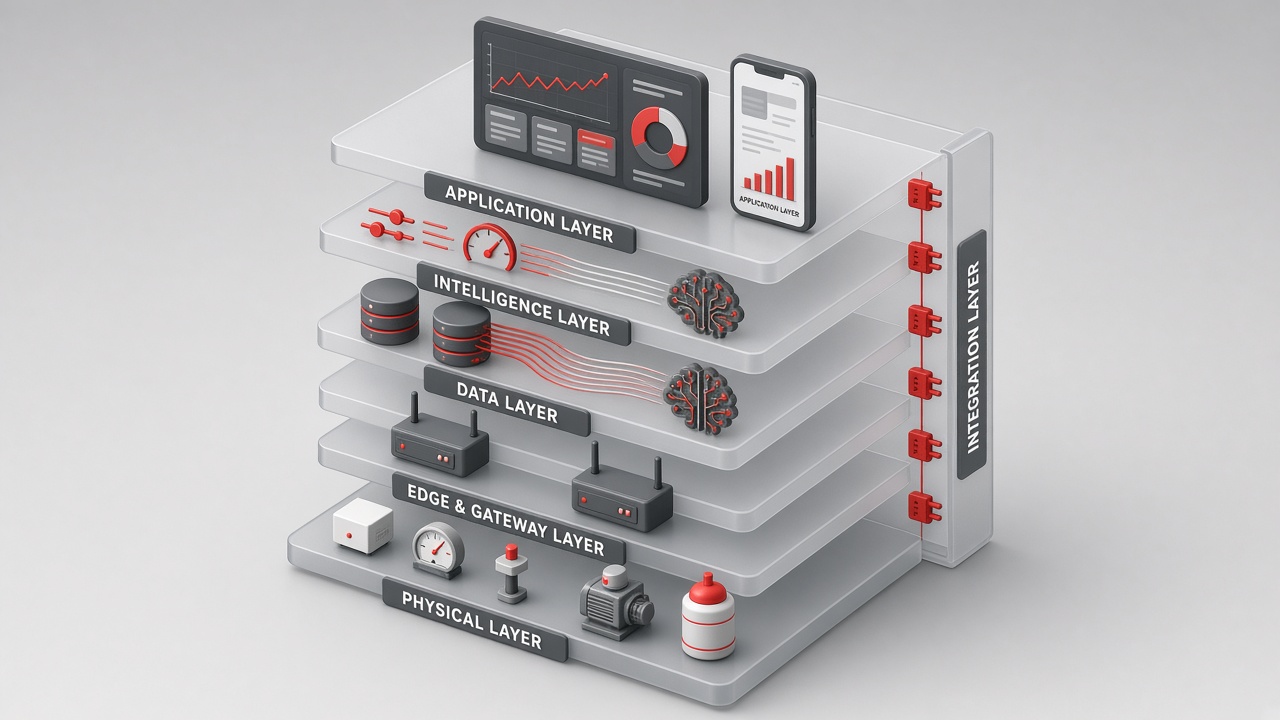
IoT is more than “sensors connected to a dashboard”. MLT works across a complete technology stack:
Six layers
Physical LayerSensors, meters, equipment and connected devices.
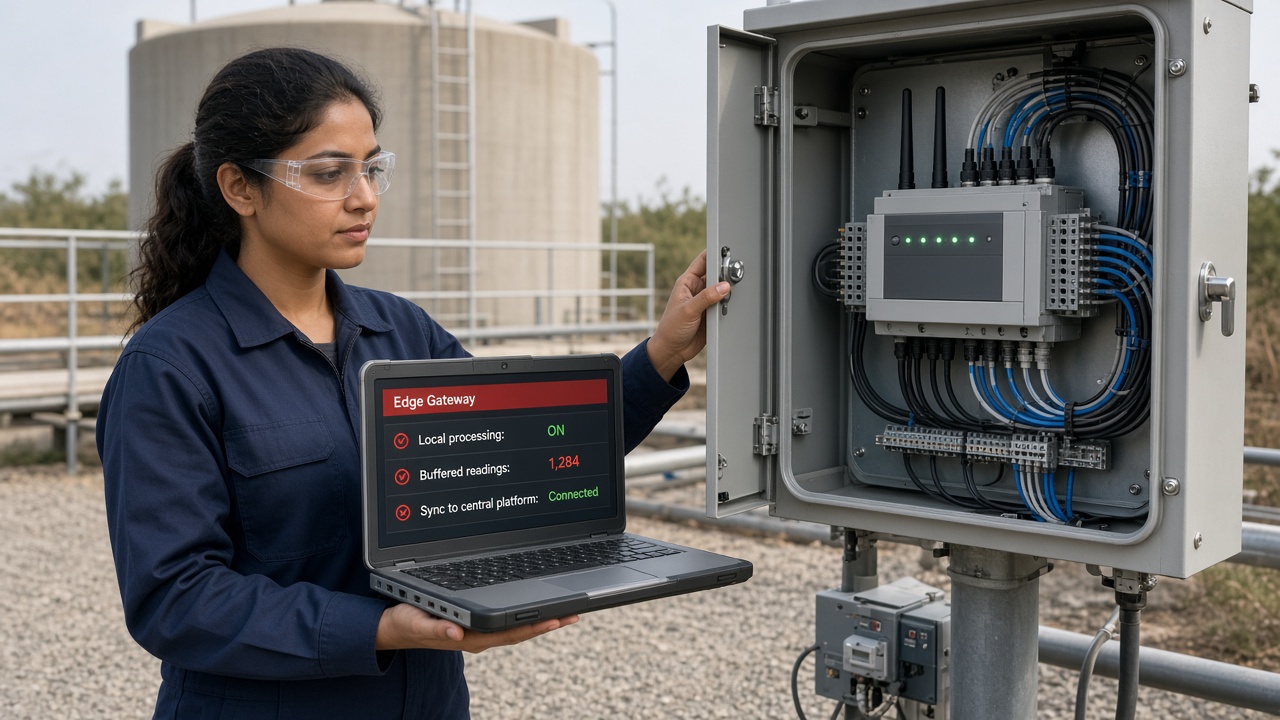
Edge & Gateway LayerDevice communication, local processing and connectivity.
Data LayerReal-time ingestion, storage and historical data management.
Intelligence LayerRules, thresholds, analytics and event processing.
Application LayerWeb dashboards, mobile applications and operational interfaces.
Integration LayerAPIs and integration with existing enterprise or operational systems.
The MLT IoT technology stack: from physical devices to applications, joined by an integration layer
This makes MLT an IoT technology and intelligence provider, rather than merely a sensor installation company.
Powered by iSenzoT
One IoT Foundation. Multiple Applications.
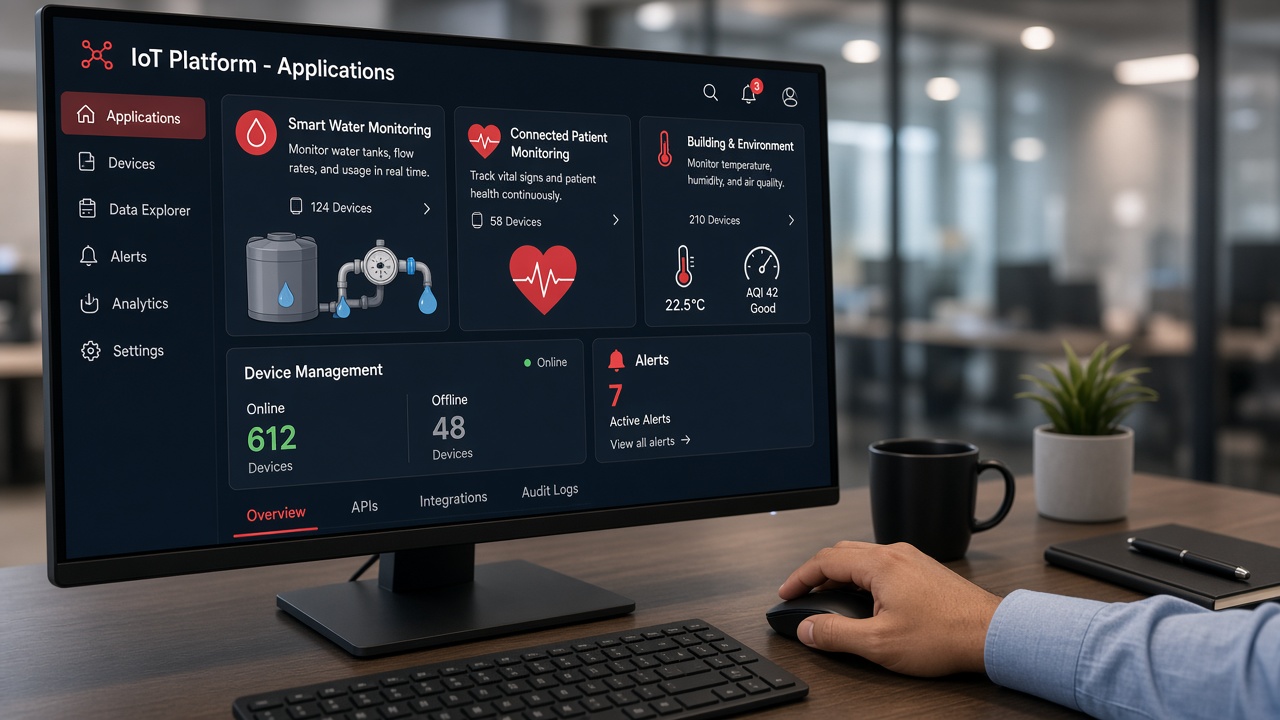
iSenzoT is MLT’s IoT intelligence platform for connecting physical devices and infrastructure with software applications. It provides the technology foundation for applications that require:
iSenzoT capabilities
Sensor ConnectivityDevices online
Real-Time MonitoringLive readings
Device ManagementHealth & status
Data CollectionStored & organized
AlertsThresholds & events
AnalyticsTrends & patterns
DashboardsWeb views
Mobile ApplicationsIn the field
APIsOpen integration
Multi-Location MonitoringMany sites, one view
Applications built on the iSenzoT foundation include:
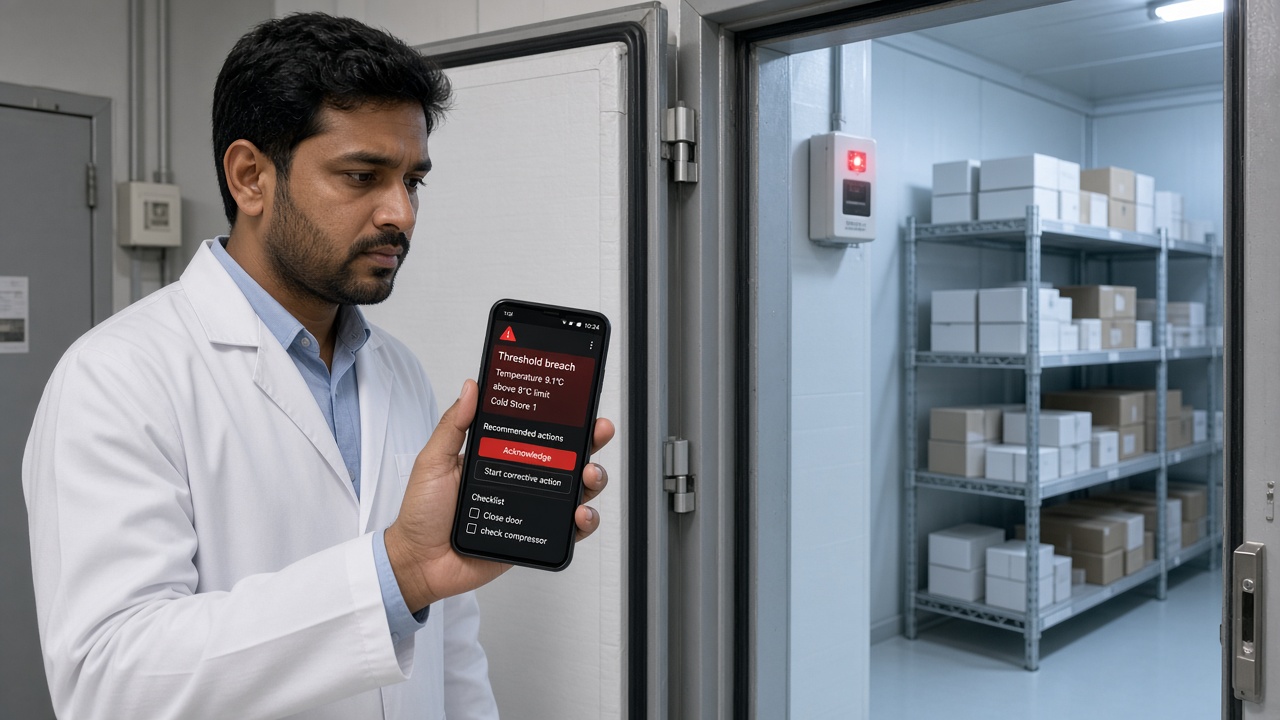
From threshold breach to corrective action: the alert reaches the right person with next steps
This is the difference between IoT data collection and IoT intelligence.
Where IoT Can Create Value
InfrastructureContinuous monitoring of distributed physical infrastructure.
WaterTank levels, flow, consumption and infrastructure parameters.
ManufacturingEquipment parameters, environmental conditions and operational monitoring.
HealthcareConnected patient measurements and remote monitoring.
BuildingsEnvironmental conditions, utilities and building parameters.
AgricultureSoil and environmental monitoring.
Energy & UtilitiesConsumption, equipment and operational parameters.
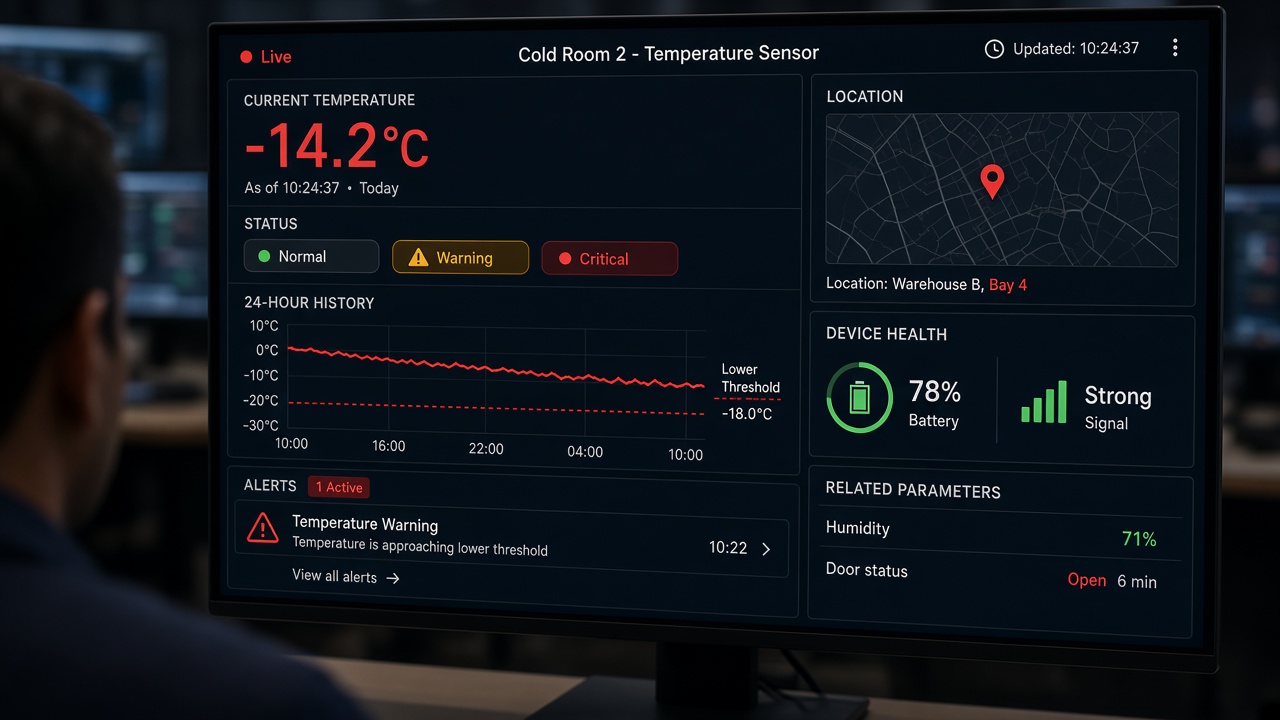
Logistics & Cold ChainTemperature and environmental monitoring across distributed operations.
Agriculture: soil and environmental sensors turned into a simple irrigation recommendation
Smart Infrastructure Is More Than Sensors
The intelligence layer
We don’t just connect sensors. We build the intelligence layer that turns physical infrastructure into a measurable, monitorable and actionable digital environment.
This is what sets MLT apart from offerings that are primarily hardware or sensor supply.
An IoT solution connects physical devices or sensors to software systems so that data can be collected, monitored, analysed and used for operational purposes.
What types of sensors can MLT integrate?
The specific sensors depend on the application. MLT’s IoT solutions can be designed around parameters such as temperature, humidity, air quality, water level, water flow, power, gas, fire and soil conditions.
Can MLT build the IoT dashboard as well?
Yes. The IoT layer can be combined with web dashboards, mobile applications, alerts, reports and APIs based on the operational requirements.
Can IoT solutions monitor multiple locations?
Yes. The architecture can support centralized monitoring of multiple connected locations and assets.
Does MLT provide only IoT hardware?
No. MLT focuses on IoT intelligence and application engineering: connecting devices, processing data and building the software layer around the physical infrastructure.
Can IoT data be integrated with existing software?
Yes. APIs and integration layers can connect IoT information with relevant enterprise and operational applications.
Can IoT and AI work together?
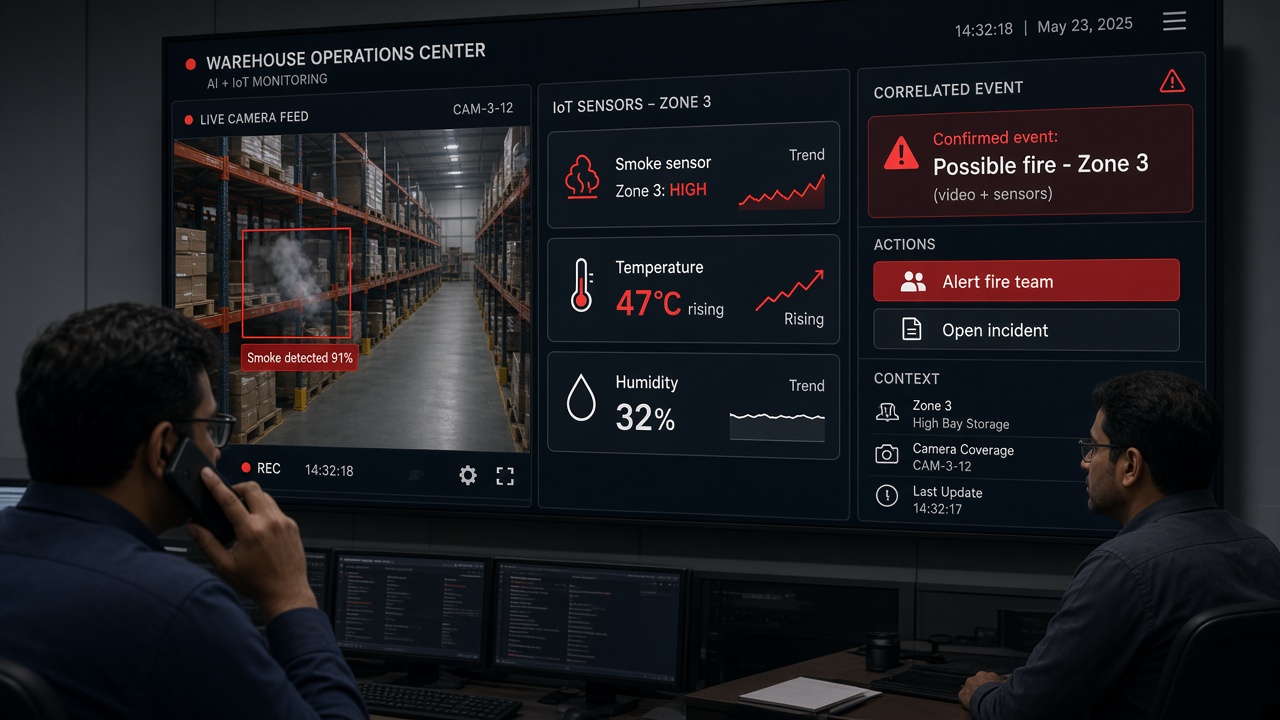
Yes. Depending on the application, sensor data can be combined with AI, video analytics and other data sources to create richer operational intelligence.
Make Your Infrastructure Intelligent.
Connect your sensors. Monitor your assets. Understand your data. Act on what matters.
Talk to MLT about your IoT & Smart Infrastructure requirement.
Make your infrastructure intelligent
Tell us about your assets, locations and the parameters you need to monitor, and our team will help design the right IoT architecture, from sensors to applications.
Tell us about your assets, locations and the parameters you need to monitor, and we’ll help design the right IoT architecture, from sensors to applications.